How To Clean Gold Jewellery
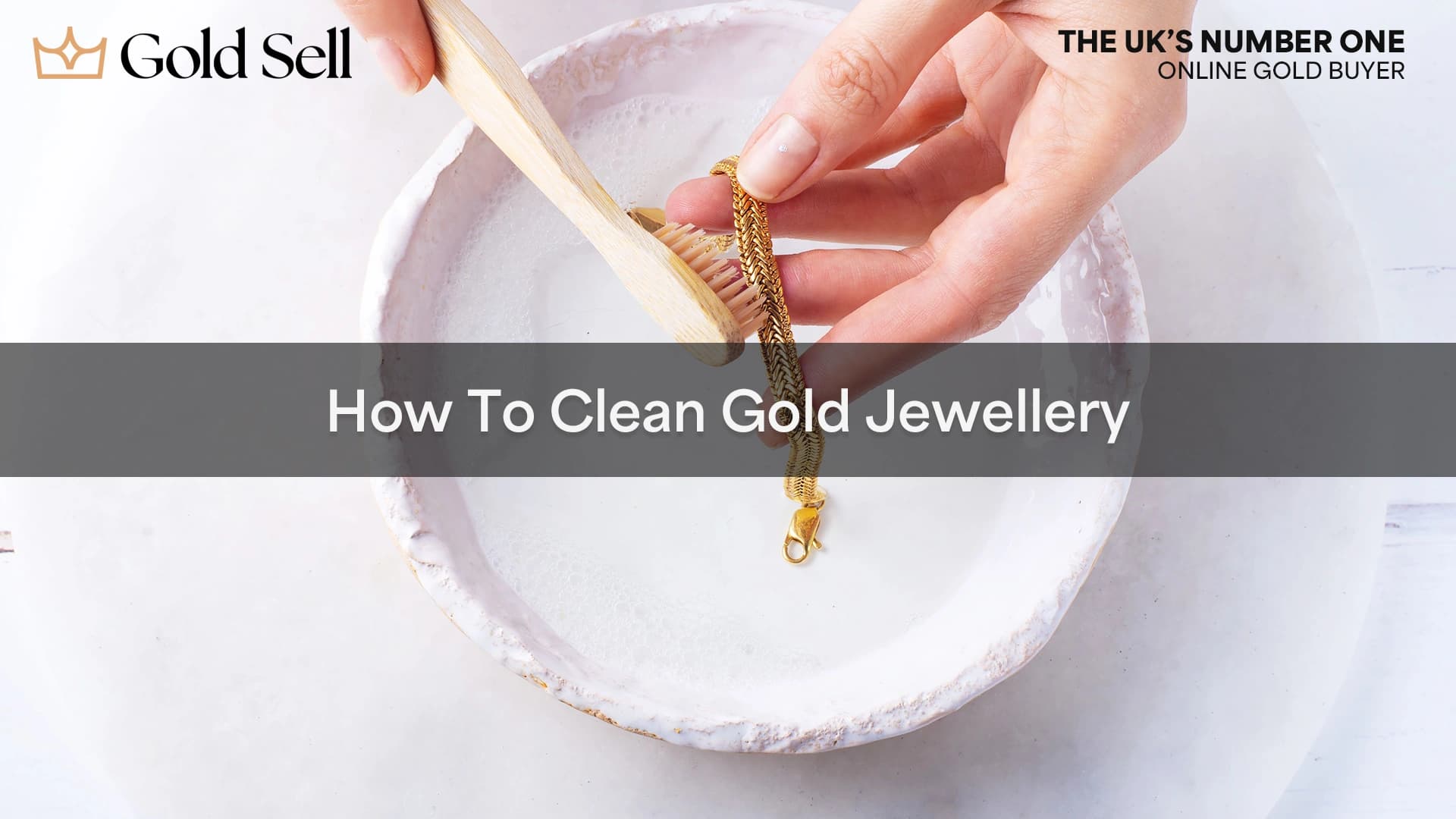
Cleaning your gold jewellery at home is surprisingly easy and effective. In fact, you can clean gold jewellery using simple household items to safely restore its shine and sparkle. This guide will walk you through how to do it step by step, so you can keep your treasures gleaming (and even get them ready for sale if you plan to sell gold jewellery).
Key Takeaways
- Use Mild Soap and Water: The safest way to clean gold jewellery at home is by soaking it in warm water with a few drops of gentle dish soap, then softly brushing away dirt.
- Avoid Harsh Chemicals: Skip abrasive cleaners or strong chemicals on gold. Simple solutions (like soap, baking soda, or vinegar in moderation) will clean effectively without damaging your gold.
- Tarnish Can Be Removed: Gold itself doesn’t tarnish, but other metals in the alloy can. You can clean tarnished gold at home using remedies like baking soda + vinegar or a hot water and aluminium foil bath to safely lift oxide tarnish.
- Gold-Plated Requires Care: When learning how to clean gold plated jewellery, be extra gentle. Lightly wipe with soapy water – over-cleaning or scrubbing can rub off the thin gold layer.
- Best Gold Cleaners: Often the best “cleaner” for gold is just warm soapy water. If you need a stronger solution, choose a commercial gold cleaner that is non-abrasive and free of harsh acids or ammonia for safe at-home use.
How To Clean Gold Jewellery (Step-by-Step)
Cleaning gold jewellery at home is a straightforward process. Regular cleaning not only keeps your gold pieces looking beautiful, but also helps maintain their value (important if you ever decide to sell scrap gold or pass them down). Here’s how to clean gold jewellery at home in a few easy steps:
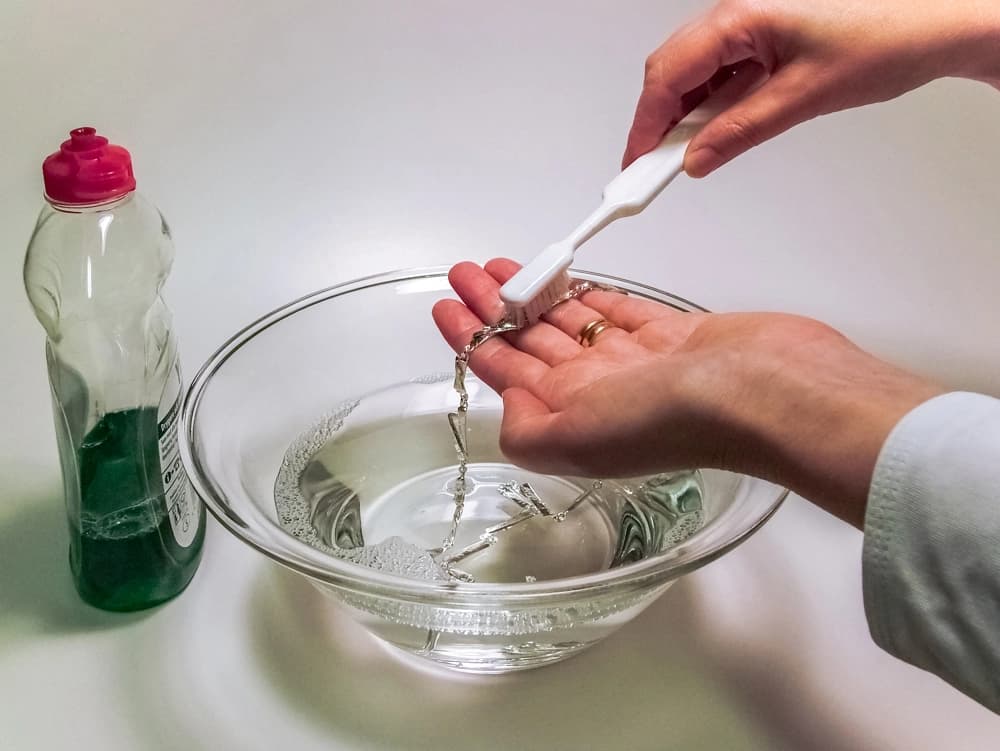
(Person using a toothbrush and mild soap to clean gold jewellery at home)
Gold jewellery can be cleaned safely with just mild dish soap and water, plus a soft brush for crevices. Follow these steps:
- Prepare a Soapy Bath: Fill a bowl with warm water (not boiling) and add a few drops of mild dishwashing liquid. Stir gently to mix – you should see light suds. (Tip: Plug or cover your drain if working near a sink, so no small pieces are lost.)
- Soak the Gold: Place your gold jewellery into the bowl. Let it soak for about 5 minutes to loosen dirt and oils. For multiple items, clean them one at a time to avoid scratching by contact. If your jewellery has gemstones, consider using carbonated water (seltzer) for the soak – the bubbles can help dislodge debris around settings.
- Gently Scrub Crevices: After soaking, take the piece out and use a soft-bristled toothbrush (a baby toothbrush works great) to gently scrub the jewellery. Brush all around, especially in nooks, crannies, and under any stones to remove grime. The mild soap will help dissolve grease and dirt, which the brush can then lift away. Never use a hard brush or abrasive scrub on gold, as gold is a soft metal that can scratch easily.
- Rinse Thoroughly: Place small items in a strainer or hold larger pieces securely, and rinse them under clean warm running water. Make sure all soap is washed off – residue can dull the shine. (Again, be mindful of the drain when rinsing.)
- Dry and Buff: Gently pat the jewellery dry with a soft, lint-free cloth. Avoid paper towels which can scratch. Once dry, use a gold polishing cloth or microfibre cloth to give it a final polish, bringing out the lustre.
That’s it – your gold should now be clean and shiny! This simple method is effective for cleaning gold rings, necklaces, bracelets, or earrings. It removes everyday grime and oils without any harsh chemicals. For most gold jewellery (even pieces with hard gemstones like diamonds or sapphires), mild soapy water is the go-to solution at home.
Extra tips:
- If your piece has diamonds or other gemstones, the above method is safe for durable gems. Just ensure prongs are secure (cleaning can sometimes reveal loose stones). Very porous or delicate gems (opals, pearls) should not be soaked; they require special care or professional cleaning.
- Avoid cleaning gold in the sink unless the drain is closed – it’s too easy for small items to slip away. Use a bowl or plug the drain as a precaution.
- Don’t use toothpaste or other abrasives on gold. Despite rumours, toothpaste can scratch gold and is better left for your teeth! Stick to the gentle methods above for the best results.
How To Clean Tarnished Gold
Over time you might notice your gold jewellery looking a bit dull or darkened – this is often “tarnish.” Pure gold (24k) doesn’t tarnish or rust, but most jewellery is made of gold alloys (like 14k or 18k gold mixed with copper, silver, etc.). Tarnish is the slight corrosion of those other metals, which can form a dull film or dark spots on the surface. The good news is you can clean tarnished gold at home with simple ingredients. Here are a few effective at-home solutions:
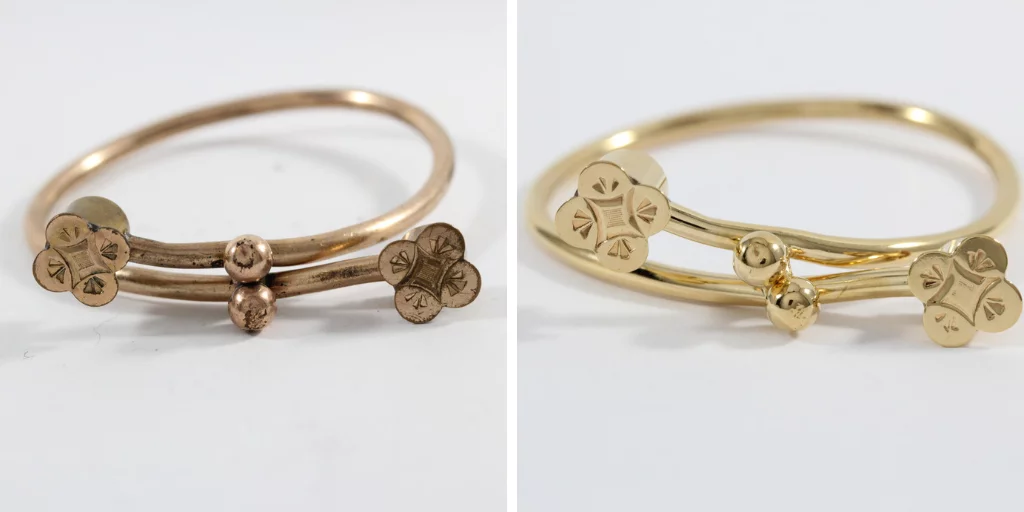
(Before and after comparison showing the results of using at-home methods to clean tarnished gold and restore its original shine)
- Mild Soap Soak (for Light Tarnish): Start with the same warm water and dish soap bath described above. Often, what appears as tarnish may just be dirt or oils. A 20-minute soak and gentle brushing can remove surface grime and restore shine. This is the safest first step for any tarnished gold piece. If the piece still looks dark or discoloured, move on to one of the next remedies.
- Baking Soda Paste & Vinegar (for Stubborn Tarnish): Baking soda is a gentle abrasive and vinegar is a mild acid – together they can lift oxidation. Mix 3 parts baking soda with 1 part water to form a paste (about the consistency of toothpaste). Apply this paste all over the gold item using a cotton swab or cloth (avoid scrubbing with a toothbrush here, as the combo of bristles + abrasive could scratch). Next, place the item in a bowl and pour plain white vinegar over it until submerged. It will fizz as it reacts with the baking soda, loosening the tarnish. Let it sit for about 5 minutes. Finally, rinse the piece thoroughly in water and dry it. This method can effectively remove black or greenish tarnish and is safe for solid gold items. (Do NOT use this method on jewellery with porous stones or on gold-plated pieces – vinegar can harm certain coatings and dissolve adhesives.)
- Hot Water, Salt & Aluminium Foil Bath: This is a classic science-backed trick that works wonders on heavily tarnished metals. Line a shallow bowl with aluminium foil (shiny side up). Place your gold jewellery on the foil and sprinkle it with a couple of tablespoons of baking soda (and a tablespoon of salt, optionally). Pour very hot water into the bowl, enough to cover the items. Caution: Use hot water that’s just off the boil and handle carefully. In this bath, the aluminium foil, baking soda, and salt create an electrolytic reaction that pulls tarnish off the gold and onto the foil. Let it soak until the water is warm or cool. You might notice a sulfur smell – that’s the tarnish (sulfur compounds) being removed. After soaking, rinse your gold jewellery, and dry it with a soft cloth. This method is the same technique often used for cleaning silver and works for gold alloys that have silver/copper tarnish. It’s very effective for restoring shine without scrubbing.
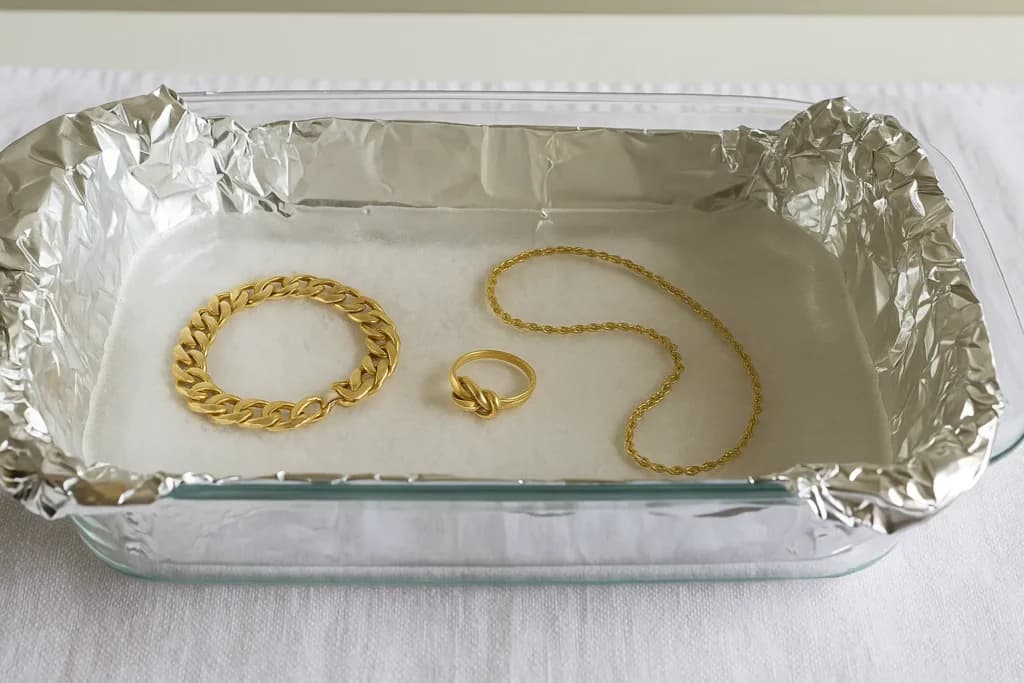
(Gold jewellery soaking in a foil-lined glass dish with a cleaning solution, demonstrating how to clean tarnished gold at home using a simple DIY method)
Is it safe to use these chemicals on gold? Yes – done correctly, these home solutions are safe for solid gold. Gold is a noble metal, which means it doesn’t react easily. Vinegar (acetic acid) and baking soda won’t eat away pure gold; they only interact with the tarnish. In fact, even the purest gold might appear tarnished due to other metals in the alloy, and these methods target those oxides, not the gold itself. Chemistry reassurance: The vinegar and baking soda reaction helps detach sulfur or oxygen compounds on the jewellery surface, but the gold underneath remains unharmed. Just be sure to rinse off any residues and dry thoroughly.
Safety tips: While the methods above won’t damage solid gold, you should avoid using acids or abrasives on gold-plated jewellery or pieces with delicate gems. For example, vinegar can strip off gold plating and damage soft stones. If your item is gold-plated, skip to the section on cleaning gold-plated jewellery for safer techniques. If your gold jewellery has glued-in stones (like vintage pieces or costume jewellery), don’t soak them in vinegar or hot water, as this could loosen the glue.
After removing tarnish, your gold will be bright again. To help keep it that way, give it a quick wipe after each use to remove body oils, and store it in a dry place. You can also use anti-tarnish strips in your jewellery box to slow down tarnishing of alloy metals.
When cleaning isn’t enough – consider value: If you have a piece that is heavily tarnished or damaged and you’re not attached to it, you might consider its melt value. Sometimes, selling the item for its gold content makes sense if restoration is too difficult. Gold buyers will value the item by its weight and karat, regardless of surface appearance. For instance, you could choose to sell scrap gold if a ring or chain is broken or irreparably stained – the tarnish does not reduce the gold’s worth to a refiner. Just ensure you remove any non-gold parts (stones, clasps that aren’t gold, etc.) before selling for scrap.
What about cleaning gold coins or bullion? Many people ask if they should clean gold coins or investment-grade gold (like bars). The general advice is no – do not clean collectible gold coins. Collectors value coins with their natural patina; aggressive cleaning can scratch coins or remove that patina, potentially reducing their numismatic value. If you have old gold coins (e.g. a Gold Sovereign or Krugerrand) that have tarnished or toned over time, it’s usually best to leave them as-is or consult a professional coin conservator. In fact, when you go to sell gold coins or antique sell sovereign coins, buyers often prefer them uncleaned. A gentle dusting with a soft cloth is fine, but avoid chemicals or polishing – an improper cleaning can cut collectible value significantly.
For gold bullion (pure gold bars or modern bullion coins), tarnish is rarely an issue because high-purity gold doesn’t tarnish like lower karat alloys. You might occasionally see fingerprints or slight dullness. In that case, simply wipe the bullion with a soft, dry cloth. Do not use abrasives that could put scratches on the bar/coin. When you sell gold bullion, the buyer is interested in the weight and purity of gold, not how shiny it is. So there’s usually no need to polish bullion – if anything, excessive cleaning could cause tiny scratches that are undesirable. Bottom line: For coins and bullion, less is more – keep them dry and protected, and let professionals handle any heavy cleaning if truly necessary.
What Is The Best Gold Cleaner For Jewellery?
When we talk about the “best” cleaner for gold jewellery, we have two angles to consider: everyday home solutions versus commercial jewellery cleaners. The truth is, the simplest solution is often the best:
- Best At-Home Cleaner – Mild Soap and Water: Plain mild dish soap and warm water is widely recommended by jewellers and experts as the best all-around gold cleaner. It’s gentle, non-toxic, and effective at removing oils and dirt. Unlike harsh chemicals, it won’t damage your gold or any gemstones. For routine cleaning, this is really all you need. As noted earlier, soaking gold jewellery in a warm soapy bath, then brushing and rinsing, can restore a brilliant shine. This method is safe for gold and hard gems, so you can use it frequently. It’s also essentially free – no special products required. Many professional jewellers actually use a very similar solution (sometimes with a touch of ammonia) as their go-to cleaning agent. So, the best “cleaner” might already be at your kitchen sink!
- Best Specialty Gold Cleaner – Gentle Non-Abrasive Solutions: If you prefer a dedicated jewellery cleaning product, choose one specifically made for gold and gem jewellery. The best gold cleaner products will be labeled safe for gold (and usually for gemstones too), and they do not contain harsh acids or abrasives. Look for a formula that is ammonia-free, acid-free, and non-abrasive. Many commercial gold cleaners are basically gentle detergents with perhaps a mild solvent to cut oils. For example, “sudsy ammonia” cleaning solutions are often recommended in jewellery cleaning kits – these are essentially soapy water with a tiny amount of ammonia to boost degreasing power. They work well for heavy build-up, especially on plain gold (without fragile stones). Ultrasonic cleaning machines are another top performer: these devices use high-frequency vibrations in a cleaning solution to shake off dirt. An ultrasonic cleaner with a mild cleaning solution can make gold jewellery sparkle like new. However, use caution with ultrasounds if your jewellery has pearls or loose settings. Jewellery polishing cloths are also great for a quick shine – these soft cloths are treated with a gentle cleaner and are excellent for buffing gold to a gleam. They remove tarnish and fingerprints easily and are very safe for all gold types.
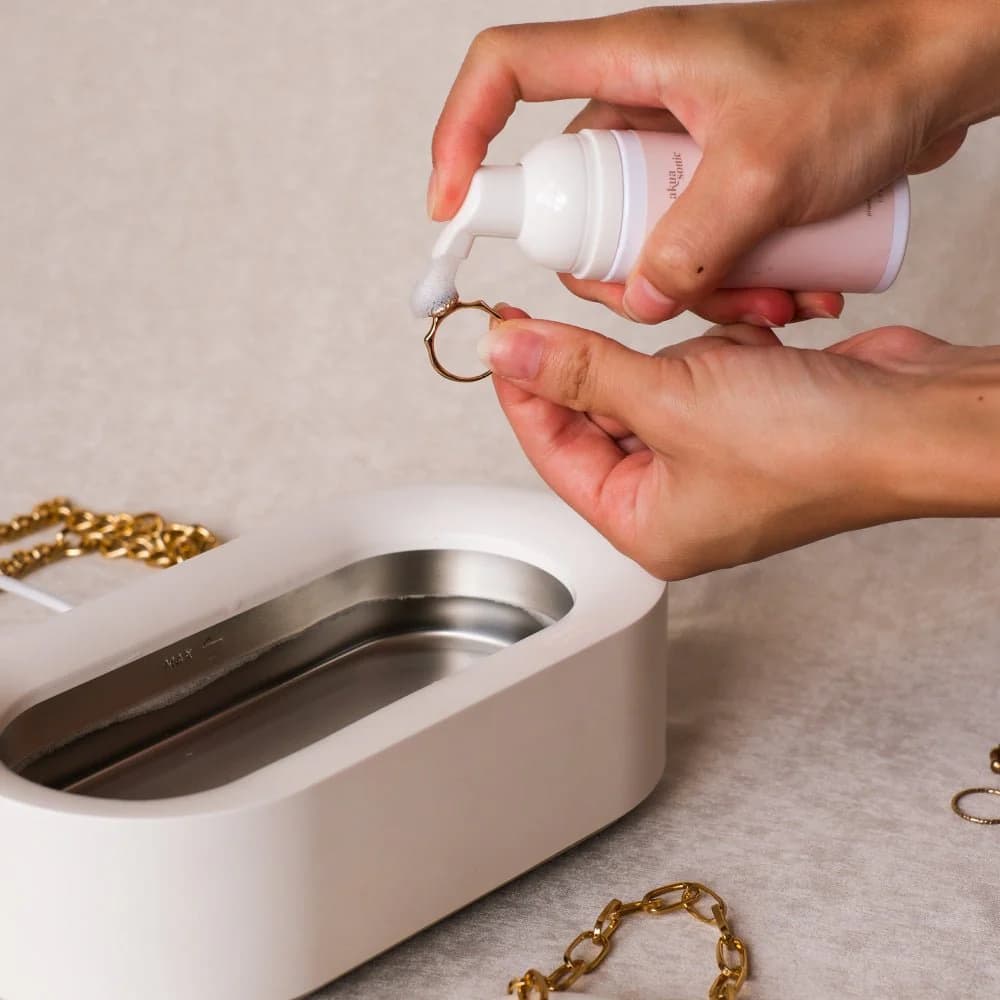
(Person applying cleaning foam to a gold ring before placing it into an ultrasonic jewellery cleaner for a deep, safe clean at home)
Product properties to look for: Whether you go DIY or buy a cleaner, the key is gentleness. Ensure any cleaner is marked safe for gold. It should be free of chlorine (bleach and chlorine will pit gold alloys – never soak your gold in chlorine bleach, and remove gold jewellery before swimming in a chlorinated pool). Avoid acid dips except perhaps the mild white vinegar method we discussed for heavy tarnish on plain gold – and even then, limit the exposure time. If buying a commercial solution, check that it’s non-toxic and non-abrasive. A good example property from experts is a cleaner “free from acids, alcohol, and ammonia” – this ensures it won’t strip or discolour your gold. Also, if your jewellery has diamonds or other stones, the cleaner should be safe for those as well (most gold cleaners are).
In summary, the best gold cleaner for most situations is warm soapy water due to its safety and effectiveness. For a stronger clean, a dedicated jewellery cleaning solution or an ultrasonic cleaner can be used, provided it’s gentle. Always follow the product instructions – usually it’s as simple as dip, rinse, dry. And remember: if in doubt, err on the side of mildness. Gold is durable but the alloys and any accompanying stones may be sensitive, so a gentle approach keeps your jewellery safe. Your gold will thank you with a lasting shine!
How To Clean Gold Plated Jewellery
Gold-plated jewellery has a thin layer of gold applied over another metal (such as silver, copper, or brass). Because that gold layer is much thinner than solid gold, it requires extra TLC when cleaning. Learning how to clean gold plated jewellery properly will help you avoid rubbing off or damaging the gold plating. The goal is to remove dirt and tarnish from the surface very gently without scraping the gold layer. Here’s a safe method to clean your gold-plated pieces:
- Routine Wipe-Down: After each wear, gently wipe your gold-plated jewellery with a soft, dry cloth (like a microfibre or cotton cloth). This removes oils, perfume, or sweat that can cause the base metal to tarnish. Regular quick wiping minimises the need for heavy cleaning. For daily care, this step is key – it keeps your plated jewellery looking bright longer.
- Prepare a Gentle Soap Solution: If your piece needs a deeper clean (you see smudges, fingerprints, or slight tarnish), prepare a bowl with lukewarm water and a drop or two of mild liquid soap (such as a gentle hand soap or dish soap). Stir to create a mild soapy solution. Avoid strong detergents; a natural or mild soap is best.
- Light Soak (if no glued stones): Place the gold-plated item in the soapy water and let it soak for about 5 minutes. This can loosen up dirt. Important: Only soak if the piece has no glued components – water can weaken glues. For jewellery with glued rhinestones, pearls, or other embellishments, do not soak; instead, dip a cotton ball into the soapy water and pat the jewellery surface to clean it.
- Clean Gently: After soaking briefly, do not scrub vigorously. Instead, use a very soft brush (like a baby toothbrush) or better yet, a cotton swab/Q-tip to carefully clean crevices. Focus on areas with dirt – lightly rub them. Never use abrasive pads or hard brushes on gold plate, as it can wear off the gold. If there’s any stubborn dirt, a cotton swab dipped in the soap solution can be pressed into detailed areas. Take your time and be gentle. The motto for cleaning gold-plated jewellery: “Easy does it.”
- Rinse and Dry: Once it looks clean, remove the item from the bowl and rinse it under cool water (or you can have a second bowl of clean water for rinsing). Make sure all soap is gone. Immediately pat the jewellery dry with a soft lint-free cloth. Do not rub vigorously, just blot and gently wipe. Ensure the piece is fully dry before storing or wearing.
If your gold-plated jewellery still looks tarnished after cleaning, you have to be cautious with next steps. You can use a jewellery polishing cloth to very lightly buff the piece. Polishing cloths have mild polish embedded in them and can remove tarnish. However, use a delicate touch and stop as soon as you see improvement. Over-polishing plated jewellery can strip the thin gold layer. In fact, a good indicator is if you start to see a different metal colour (usually a darker silver or coppery tone) coming through – that means the gold layer has worn off in spots. If that happens, no amount of cleaning will bring the gold colour back except re-plating the piece. So, know when to stop. It’s better to live with a tiny bit of tarnish than to rub off your gold plating.
Additional tips for cleaning gold-plated jewellery:
- After cleaning, make sure the item is completely dry. Trapped moisture can cause the base metal to corrode faster.
- Store gold-plated items separately from other jewellery. Plating can scratch if it rubs against harder pieces. Keeping each piece in a soft pouch or its own compartment will help preserve the gold layer.
- Apply perfumes, lotions, or hairspray before putting on gold-plated jewellery, not after. Let products dry on your skin first. This avoids direct contact with chemicals that could tarnish the jewellery.
- For pieces you wear often, expect that plating will eventually wear thin (even with perfect care, the friction of normal use will slowly remove microscopic bits of gold). High-touch areas like ring bands or the underside of a bracelet might fade first. When that happens, you might consider getting the piece re-plated by a jeweller if it’s valuable to you.
By following the gentle method above, you can keep your gold-plated necklaces, bracelets, and earrings looking great for as long as possible. Remember that how to clean gold plated jewellery is mostly about what not to do: no harsh chemicals, no scrubbing, and no long soaks for pieces with adhesives. Gentle treatment will extend the life of the gold finish. And if your plated piece is costume jewellery of low monetary value, don’t try any aggressive cleaning – once the plating is gone, it’s gone. At that point, it might be better to replace the item or have it professionally re-plated. But in the meantime, using these careful cleaning steps will let you enjoy the piece for longer without damage.
Frequently Asked Questions
How to clean gold jewellery?
To clean gold jewellery, soak it for five minutes in warm water mixed with mild dish soap, gently scrub with a soft toothbrush, rinse thoroughly, and dry gently with a soft cloth.
How to clean tarnished gold?
To clean tarnished gold, apply a paste of baking soda and water, then pour white vinegar over the jewellery to remove tarnish. Alternatively, soak gold items briefly in a hot water, baking soda, and aluminium foil bath, rinse, and dry well.
What is the best gold cleaner for jewellery?
The best gold cleaner for jewellery is warm water with mild dish soap, as it safely cleans without causing damage. For heavier cleaning, use a non-abrasive, ammonia-free jewellery cleaner designed specifically for gold.
How to clean gold plated jewellery?
To clean gold plated jewellery, gently wipe with a soft, damp cloth dipped in mild soap and water. Avoid soaking, scrubbing, or harsh cleaners to protect the delicate gold plating.
How to clean gold chain?
To clean a gold chain, soak it in warm, soapy water, then gently brush between the links using a soft toothbrush. Rinse under running water, pat dry carefully, and ensure it's fully dry before storing.
How to clean gold necklace?
To clean a gold necklace, soak briefly in warm water with mild soap, then gently clean the links and clasp area using a soft toothbrush. Rinse thoroughly in warm water and dry completely with a soft cloth.
How to clean gold rings?
To clean gold rings, soak them in warm soapy water for five minutes, gently scrub around prongs and engravings with a soft toothbrush, then rinse with water and dry with a soft, lint-free cloth.
How to clean gold jewellery with baking soda?
To clean gold jewellery with baking soda, create a paste using baking soda and water, gently rub onto the jewellery to remove tarnish, rinse thoroughly, and dry completely. Avoid using this method on gold-plated items.
How to clean gold earrings?
To clean gold earrings, soak them briefly in warm soapy water, gently brush with a soft toothbrush to remove dirt, especially around earring posts and backs, rinse thoroughly, and dry with a soft cloth.
How do you clean gold and diamond rings?
To clean gold and diamond rings, soak in warm water mixed with mild dish soap, gently scrub around the diamond setting and prongs with a soft toothbrush, rinse thoroughly, and dry carefully with a lint-free cloth.
How to clean gold jewellery with vinegar?
To clean gold jewellery with vinegar, sprinkle baking soda on the jewellery, pour white vinegar over it, allow the fizzing reaction to remove tarnish, rinse very thoroughly, and dry immediately. Avoid using vinegar on gold-plated jewellery or pieces with delicate gemstones.
Interested in selling gold with the UK’s highest paying gold buyer? Visit our Sell Gold page to get a competitive valuation – we provide fully insured postage and fast payment.
For more insights and the latest gold price today, keep an eye on our live charts and blog updates.