How To Clean Gold Plated Jewellery
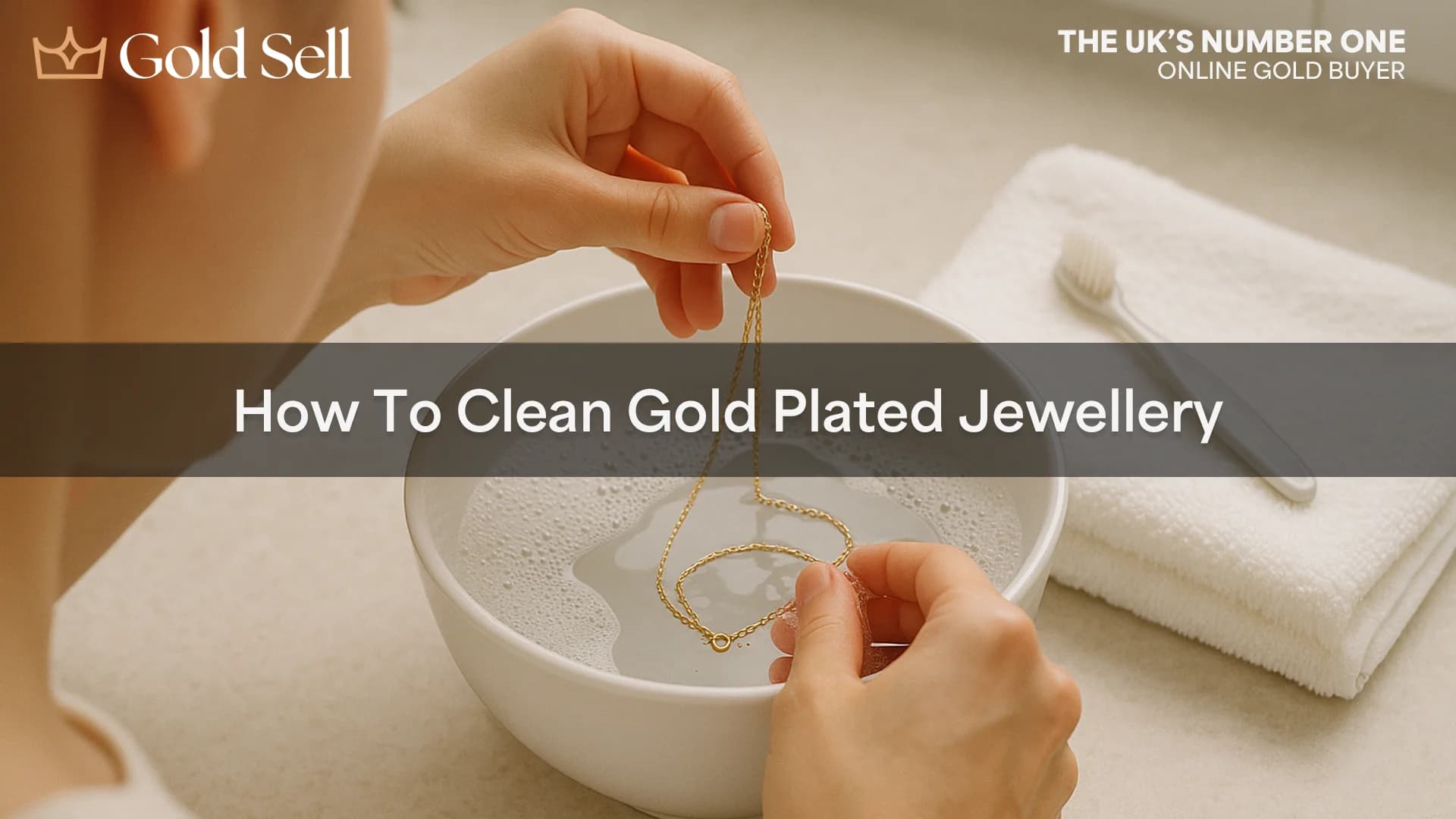
Gold plated jewellery is best cleaned with gentle, non-abrasive methods. A mild soap and water solution and a soft cloth can effectively remove dirt and tarnish without stripping away the thin layer of gold. With the right care, you can keep your gold plated pieces looking shiny and new for much longer.
Key Takeaways
- Yes, it tarnishes: Gold plated jewellery can tarnish or dull over time as the base metal underneath reacts with air or moisture once the thin gold layer wears. Proper care and thicker plating slow this process.
- Gentle cleaning is best: Use mild dish soap in lukewarm water and a soft cloth to clean gold plated items. Avoid harsh cleaners or scrubbing that could scratch the delicate gold layer.
- Keep it dry: It’s not waterproof – remove gold plated jewellery before showering, swimming, or washing hands. Saltwater and chlorinated pool water can quickly corrode or tarnish the gold plating.
- Plating can fade: The gold layer may fade or wear off with heavy use. Prevent fading by limiting exposure to sweat, chemicals, and friction. Faded pieces can be replated by a jeweller to restore their colour.
- Care prolongs life: Last on, first off – put plated jewellery on after perfumes or lotions and take it off before exercise or bed. Store in a cool, dry place (ideally a soft pouch) to avoid scratches and tarnish.
Does Gold Plated Jewellery Tarnish?
Yes – gold plated jewellery can tarnish over time. Although the solid gold layer is very thin, it can react to everyday chemicals and wear away, exposing the base metal beneath. Most gold plated pieces use a base of copper, brass or silver, which are metals prone to oxidation. As a result, you might notice your jewellery losing its shine or developing discolouration. Tarnish often shows up as a dullness or darkening of the metal. Depending on the base material, it can even turn green or black once the gold layer thins out and air causes the underlying metal to corrode. For instance, brass or copper bases may leave a greenish tarnish, while silver bases can cause black tarnish (silver sulphide).
Gold itself doesn’t rust or tarnish, but the thin electroplated layer (sometimes only fractions of a micron thick) is delicate. To put it in perspective, a typical gold plating is about 0.5 to 2.5 microns thick – that’s thinner than a human hair. Cheaper fashion jewellery might have an even thinner “flash” plating under 0.1 micron, which wears off quickly. With such a slim gold coating, exposure to air, moisture, and oils from your skin will eventually break it down and allow the base metal to show through. The good news is that tarnishing happens gradually. By understanding why it happens (and following the care tips in this guide), you can slow down the process so your favourite gold plated pieces stay shiny longer.
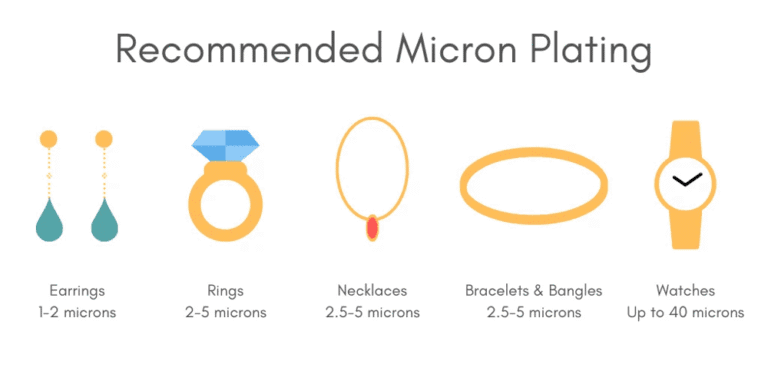
Recommended gold plating thickness by jewellery type. Earrings typically need just 1–2 microns due to low friction, while high-contact items like rings and bracelets require 2–5 microns for durability. Watches may use up to 40 microns to withstand daily wear. Thicker plating helps extend the lifespan of gold plated pieces, making them more resistant to tarnishing and fading.
How To Clean Gold Plated Jewellery
Cleaning gold plated jewellery at home is simple – the key is to be gentle. Because the gold layer is thin, you want to avoid anything abrasive or acidic. Here’s a safe method to remove dirt and revive the shine without damaging the plating:
- Prepare a mild cleaning solution: Fill a bowl with lukewarm water and mix in a few drops of mild dish soap (avoid harsh detergents or antibacterial soaps that can react with metals). You should see a light suds; if you have very tarnished pieces, you can also add a pinch of baking soda for extra cleaning power, but make sure it’s fully dissolved (gritty baking soda can scratch, so use with caution).
- Soak (briefly) and gently scrub: Place your gold plated jewellery in the soapy water and let it soak for about 2–3 minutes. This loosens any dirt or oils. Then, using a soft cloth (or a very soft baby toothbrush), gently wipe the pieces. Pay attention to crevices but do not rub hard. If your jewellery has intricate details, a cotton swab can help get into corners. Remember: gentle motion is enough – do not use toothpaste, baking soda paste, or any scouring cleaners, as these can scratch or wear away the gold.
- Rinse and dry thoroughly: Remove the jewellery from the bowl and rinse it under clean lukewarm water (or in another bowl of clean water). This washes off any soap residue. Immediately dry the pieces with a soft, lint-free cloth by patting and gently buffing. It’s crucial to dry completely, because leftover moisture can cause the metal to tarnish faster.
- Polish lightly: Once dry, you can give the jewellery a quick polish with a microfibre cloth or jewellery polishing cloth designed for gold. This step removes any remaining smudges and restores shine. Be sure not to over-polish – a few gentle rubs are enough to make the piece gleam. (Tip: Some jewellers actually caution against aggressive polishing cloths on plated items, because they can strip the finish. If you use a treated jewellery cloth, choose one meant for gold and test on a small area first, rubbing very softly.)
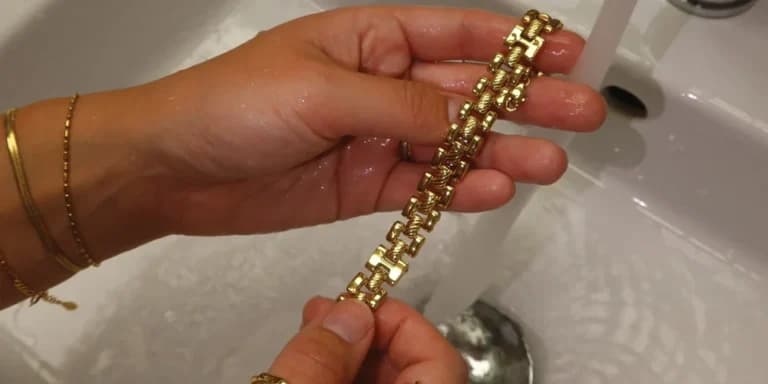
Gently cleaning a gold plated bracelet under lukewarm water. Using mild dish soap and a soft touch, this method safely removes surface oils and buildup without damaging the delicate gold plating. Avoid scrubbing or soaking for too long to preserve the finish.
- Extra care for heavy tarnish: If your gold plated piece is very tarnished (for example, it appears markedly discoloured or the gold looks mostly dark), the above steps should still help. Soaking a bit longer (5–10 minutes) and gently wiping repeatedly can remove most grime and oxidation. Never use silver polish or metal cleaners not made for gold plated jewellery – those are too harsh. If tarnish isn’t coming off or you see the base metal showing, it might mean the plating has worn away in spots. In that case, no amount of cleaning will bring back the gold colour on the exposed areas – you’d need to have the item replated by a jeweller to truly restore its appearance.
What not to do: Avoid ultrasonic jewellery cleaners for gold plated pieces (the intense cleaning can wear off plating). Do not use vinegar or other acids, and skip abrasive home remedies like toothpaste or baking soda scrubs. As one jewellery guide warns, using something like toothpaste or baking soda can scratch the surface and cause irreparable damage to gold plating. Stick to mild soap, water, and soft cloths – it’s the safest combo.
Can Gold Plated Jewellery Get Wet?
One of the quickest ways to ruin gold plated jewellery is through excessive contact with water. While a few drops won’t melt your jewellery, you should avoid getting gold plated pieces wet whenever possible. Water itself can cause the metal to dull, and chlorine or salt in water will corrode the gold layer even faster. “Chlorine, salt water, and even fresh water can damage precious metals by dulling or eroding them,” explains Marisa Hordern, founder of Missoma. This means you should take off gold plated jewellery before:
- Showering or bathing: Soap and shampoos, plus prolonged water exposure, will wear down the gold plating. Even “soapy water when bathing and showering can leave a thin film, which makes the metal seem dull” over time. If you accidentally forget to remove a plated ring while washing your hands, it’s probably fine – just dry it off promptly. The key is avoiding regular or prolonged soaking.
- Swimming in a pool: Pool water contains chlorine, which is a precious metal’s enemy. Chlorine can cause a chemical reaction that tarnishes and discolours gold plating quickly. You might notice a plated piece turning black or brown after a swim – that’s the chlorine reacting with the base metals. Always remove gold plated necklaces, rings, or earrings before hitting the pool or hot tub.
- Swimming in the sea: Seawater is full of salt, and salt is corrosive. Wearing gold plated jewellery in the ocean can lead to the gold layer wearing away or tarnishing much faster. Also, there’s the risk of losing the jewellery in the water due to slippery sunscreen or waves – another good reason to leave it on shore!
- Exercise or saunas: While not “water” in the traditional sense, sweat is moist and even slightly acidic. Wearing your gold plated pieces during a workout or in a steam/sauna session isn’t advisable. Sweat can speed up tarnishing (ever notice how a cheap gold-coloured necklace might turn your skin green when you get sweaty? That’s the metal reacting). Hot steam in saunas can also degrade plating.
In summary, it’s safe to get gold plated jewellery wet only when cleaning it briefly, as described in the section above, and you should dry it thoroughly right after. For day-to-day wear, try to keep it dry. If your jewellery does get splashed, simply wipe it dry as soon as you can. And if you know you’ll be in contact with water (swimming, washing dishes, etc.), it’s best to remove the pieces beforehand. Your gold plated jewellery will thank you by staying bright and untarnished much longer.
(Fun fact: some brands offer “water-resistant” or “waterproof” gold plated jewellery with special clear coatings to protect the metal. If your pieces have this, they might tolerate water better – but it’s still wise to minimise exposure.)
Does Gold Plated Jewellery Fade?
“Fade” is the term often used when the gold plating wears off or loses its colour. Yes, gold plated jewellery can fade over time – the rich gold tone might become paler or the piece might start to look silver or copper where the plating has thinned. This happens because gold plating, being very thin, can rub away with regular wear. Think of it like a gold-leaf coating: any friction or abrasion will eventually remove some of it. According to jewellers, thinner gold layers wear away easier, almost like nail polish chipping and fading off with use. If you wear a gold plated ring every single day, constantly washing hands and bumping it against surfaces, the plating might visibly lighten or disappear on the high-contact areas (like edges of a ring band) within a few months. Conversely, a well-plated piece with a thicker layer of gold (or a piece that you wear only occasionally) might retain its colour for years.
The good news is fading can be delayed with proper care. Here are some tips to prevent or slow down fading:
- Avoid friction: Remove gold plated rings before doing manual tasks like lifting weights, gardening, or even typing for long periods. Constant rubbing against skin or objects wears off the gold layer. Similarly, don’t let plated bracelets jingle against other bracelets or watches – the friction can hasten fading.
- Limit chemicals: Chemicals in perfumes, lotions, cleaning products, or even excessive sweat can slowly eat away at plating or cause discolouration (which makes the gold colour look dull). By putting on perfume before your jewellery and wiping off sweat and skin oils after wearing the piece, you’ll help preserve the gold finish.
- Store away from sunlight and heat: While sunlight won’t “bleach” gold like it might for fabrics, heat and humidity can speed up oxidation of metals. Storing your pieces in a cool, dry place slows any chemical reactions that could dull the finish.
Now, can you reverse fading? Once the gold layer has physically worn off in an area, cleaning won’t bring the gold colour back because it’s gone. However, you can restore the piece’s gold appearance by having it replated. Replating is a service many jewellers offer: they clean the item, and then apply a fresh new layer of gold electroplating to cover the entire piece. This can make a faded gold plated necklace look like brand new again. It’s not very expensive for most jewellery (much cheaper than buying a new item) and is a great way to extend the life of your favourite pieces. Some people use at-home electroplating kits or gold plating pens for small touch-ups, but for best results professional replating is recommended.
If fading is minor – say your necklace just looks a bit dull – you might simply need a good cleaning and polishing to bring back its shine. Built-up oils or dirt can mask the gold lustre, so cleaning (as described earlier) can effectively “unfade” a piece if the gold layer is still mostly there. Just remember to be gentle, as always, so you don’t accidentally cause more wear while trying to polish it.
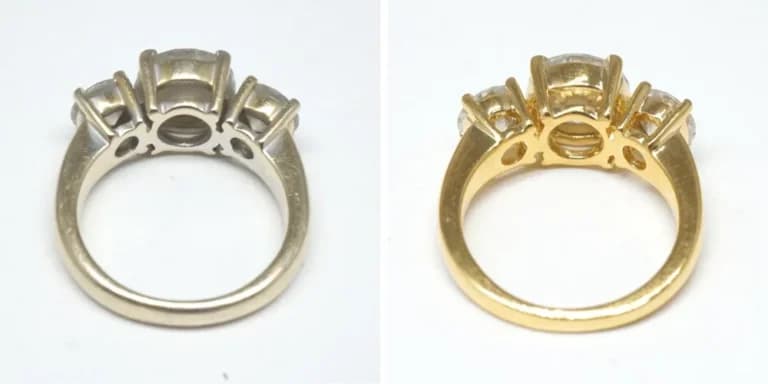
Before and after gold replating. The left shows a faded ring with worn plating, while the right displays the same ring after professional replating—restoring its rich gold finish and like-new appearance. Replating is a cost-effective way to revive faded gold plated jewellery.
How To Look After Gold Plated Jewellery
Taking care of gold plated jewellery is all about preventing damage and minimising wear on that thin gold layer. If you treat your pieces kindly, you can significantly prolong their life and keep them looking gold and shiny. Here are some practical tips to help you look after your gold plated jewellery:
- Put jewellery on last: Make gold plated earrings, necklaces, and bracelets the last thing you put on when getting ready and the first thing you take off at day’s end. This avoids exposure to hairsprays, perfumes, or makeup chemicals that can tarnish the gold. As one expert notes, perfumes and cosmetics can cause a reaction similar to oxidation – potentially turning the gold finish black if applied directly. By putting jewellery on after applying these products (and removing it before cleansing or using night creams), you shield it from harsh chemicals.
- Keep it dry and remove when necessary: As discussed, water isn’t a friend to gold plated pieces. Remove your jewellery before showering, swimming, washing dishes, or working out (to avoid sweat). Also, dry your hands before handling your jewellery. A general rule: if you’re about to do something that could wet or dirty your hands (cleaning, cooking, etc.), take off any rings or bracelets. It only takes a few seconds and can add months or years to the life of the plating.
- Avoid direct contact with chemicals: This includes not only obvious chemicals like cleaning supplies or chlorine, but also household things like hand sanitiser, which often contains alcohol, or even excessive lotion. Chemicals can dull or strip the gold layer. If you do accidentally get chemicals on a gold plated item, rinse it with water and dry it gently.
- Store jewellery properly: When you’re not wearing your gold plated pieces, store them in a cool, dry place away from humidity. A soft pouch or a lined jewellery box is ideal. Storing each piece separately (or wrapped in a soft cloth) prevents them from scratching each other. Never leave gold plated jewellery in a bathroom for long periods – the humidity from showers can speed up tarnishing. Missoma’s founder advises storing jewellery in a dark, dry place to avoid humidity and heat which can cause tarnish.
- Clean regularly – but gently: After each wear, give your jewellery a quick wipe with a soft cloth to remove skin oils and sweat. Regular “maintenance” cleaning can prevent buildup that dulls the gold. Every few weeks (or after several wears), do a light clean with mild soapy water as described in the cleaning section. Regular cleaning not only keeps it shiny but also prevents any corrosive buildup from doing damage. Just remember to be gentle and don’t overdo it – plating doesn’t need vigorous polishing.
- Be mindful of hard surfaces: Gold plated necklaces or bracelets can get scratched if they rub against metal handbag straps or if you pile several pieces together. Try not to let your plated pendant jingle against keys in your purse, for example. Little things like storing necklaces unclasped and hanging, or padding a bracelet when traveling, can reduce accidental scratches and wear.
- Long-term upkeep: Even with excellent care, gold plating will eventually wear. That’s not a failure on your part – it’s the nature of the material. Plan on getting favourite pieces replated every couple of years or whenever they noticeably fade. Many jewellery brands offer replating services (sometimes even free or at low cost if you bought the piece from them). This can indefinitely extend the life of a good piece of costume or demi-fine jewellery. It’s also an eco-friendly way to keep enjoying your jewellery without needing to buy new ones frequently.
By following these tips, you’ll keep your gold plated jewellery looking its best. Treat them with a little TLC – they may not be solid gold heirlooms, but with proper care, your gold plated favourites can last for a very long time, giving you plenty of wear for your money.
Frequently Asked Questions
Does gold plated jewellery tarnish?
Yes. Gold plated jewellery can tarnish because the gold layer is thin and the metal underneath (such as copper, brass, or silver) reacts with air over time. The gold plating itself might dull, and once it wears enough to expose the base metal, you may see discolouration (like green or black tarnish). Keeping it dry and clean can slow this process significantly.
How to clean gold plated jewellery?
Clean gold plated jewellery gently by hand. Use lukewarm water with a drop of mild dish soap and soak the piece for a minute or two. Then wipe it with a soft cloth or very soft toothbrush to remove dirt. Rinse in clean water and dry thoroughly with a lint-free cloth. This avoids scratching the thin gold layer while still removing oils and grime.
Can gold plated jewellery get wet?
It’s best to avoid it. Occasional splashes won’t ruin it, but repeated exposure to water will cause the gold plating to wear off faster. Never wear gold plated jewellery in the shower, pool, or ocean – chlorine and saltwater are especially corrosive and can tarnish or dull the finish quickly. If your jewellery does get wet, dry it off as soon as possible to protect the plating.
Does gold plated jewellery fade?
Yes, the gold colour can fade over time as the plating wears thin. “Fading” means the gold layer is rubbing off, revealing more of the base metal and making the piece look less yellow. You can slow fading by avoiding friction, water, and chemicals on the piece. Once faded, the item can be replated by a jeweller to restore its original gold shine.
How to clean tarnished gold plated jewellery?
When gold plated jewellery is tarnished, focus on gentle cleaning. Soak it in a mild soap and warm water solution for a few minutes to loosen the tarnish. Then softly wipe away the tarnish with a soft polishing cloth or cloth dampened with the soapy water. Rinse and dry well. Never use abrasive methods to scrub tarnish off – if the tarnish is stubborn or the gold has worn off, consider professional re-plating.
How to clean gold plated jewellery at home?
You can safely clean gold plated jewellery at home with common household items. Prepare a small bowl of lukewarm water and add a bit of gentle dish soap. Let the jewellery sit in this solution briefly, then carefully clean crevices with a soft cloth or soft brush. Rinse in clean water and pat dry with a soft towel. Regular light cleaning at home will keep your gold plated pieces shining without needing harsh chemicals.
How to look after gold plated jewellery?
To care for gold plated jewellery, keep it dry and away from chemicals. Apply perfumes or lotions before putting on your jewellery, and remove the pieces before swimming, showering, or exercising. Store gold plated items in a cool, dry place – ideally in a soft pouch or separate compartment to avoid scratches. After each wear, wipe the jewellery with a soft cloth to remove oils and sweat. Following these steps will maintain the gold plating for as long as possible.
Interested in selling gold with the UK’s highest paying gold buyer? Visit our Sell Gold page to get a competitive valuation – we provide fully insured postage and fast payment.
For more insights and the latest gold price today, keep an eye on our live charts and blog updates.