Yellow Gold Vs White Gold
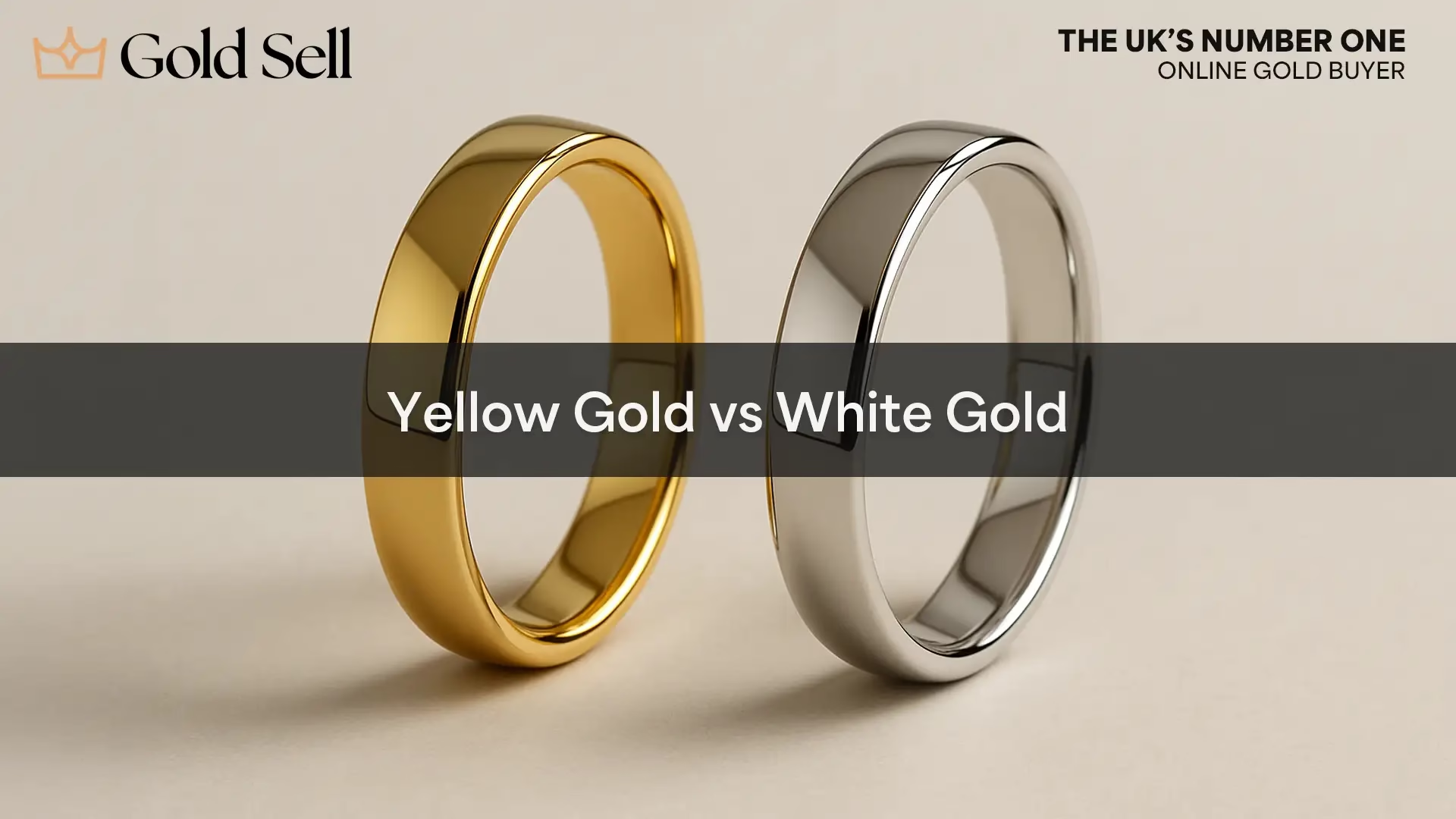
Yellow gold has the natural warm, golden hue of pure gold, while white gold is a gold alloy that looks silvery due to added white metals and usually a rhodium plating. This post compares their appearance, composition, durability, maintenance, cost, hypoallergenic properties, and style to help you decide between yellow gold and white gold.
Key Takeaways
- Colour & Composition: Yellow gold is an alloy of gold with minimal additives, preserving its warm yellow tone. White gold is gold mixed with white metals (nickel, palladium, silver, etc.) and typically plated with rhodium for a bright white finish.
- Durability & Maintenance: White gold is generally harder and more scratch-resistant (thanks to alloying metals and plating), but its rhodium layer wears off and needs occasional re-plating. Yellow gold is softer (especially at higher karats) and requires routine polishing, but it never needs plating.
- Cost: At the same purity, yellow and white gold cost about the same. Any price difference usually comes from additional alloy metals or the rhodium plating process in white gold.
- Hypoallergenic: Some white gold alloys contain nickel (a common allergen), though nickel-free alloys with palladium are available. High-karat yellow gold (copper/silver alloy) is generally well-tolerated by most skin.
- Style & Use: Yellow gold’s rich yellow tone is classic and flatters warm skin tones, while white gold’s cool silvery look is modern and complements diamonds and cooler stones. Ultimately, the best choice depends on personal style and skin tone.
Yellow Gold Vs White Gold
The primary difference between yellow gold and white gold is their colour and alloy makeup. Yellow gold jewellery has a warm, yellow hue inherited from its gold base, whereas white gold looks silvery-white thanks to the white metals in its alloy and a rhodium coating. In practical terms, this means a yellow gold ring has the familiar golden glow, while a white gold ring appears pale and reflective. Both types use the same karat system (e.g. 18ct is 75% gold), so an 18ct yellow gold and an 18ct white gold piece contain the same amount of gold. Any differences come from the added metals and finish.
Durability & Maintenance: White gold alloys (especially those with palladium or nickel) tend to be harder and more scratch-resistant than yellow gold alloys (which often use copper and silver). However, the white appearance relies on a thin rhodium plating that wears off with daily use. When that plating fades, the underlying yellowish gold alloy shows through. Restoring the bright white finish simply means having the piece re-plated with rhodium. Yellow gold never needs plating, but it can scratch or lose shine over time; regular polishing by a jeweller will keep it looking glossy.
Cost: For equal purity, yellow and white gold are similarly priced. Jewellery value is driven by the gold content (karat) more than colour. In fact, industry experts note that two pieces with the same gold purity will often sell for the same price. White gold may be slightly pricier if complex alloys (like palladium) or extra plating are used. For example, an 18ct white and an 18ct yellow ring normally cost the same, unless one has special gems or extra craftsmanship.
Hypoallergenic & Style: White gold alloys often contain nickel (unless specified as nickel-free), so some people with metal sensitivities may react. Many modern white golds use palladium or silver instead of nickel to be hypoallergenic. Yellow gold alloys (copper, silver) tend to be gentle on skin, especially at higher karats. Style-wise, yellow gold’s warm glow is considered classic and traditional, while white gold’s clean silver look is seen as contemporary. For example, yellow gold rings pop with warm gemstones like rubies, whereas white gold is popular for showcasing diamonds with a bright sparkle.
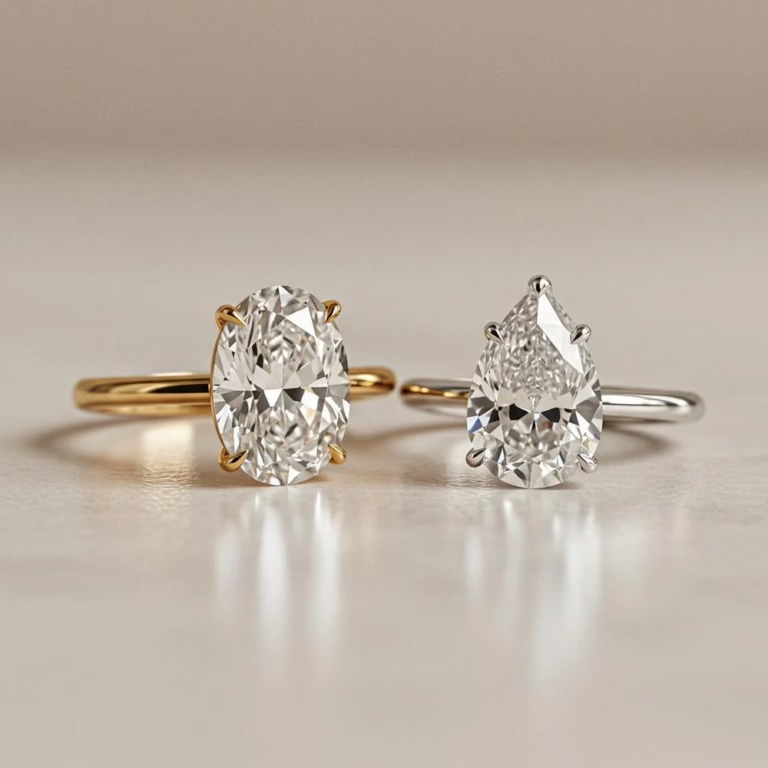
This image highlights the visual difference between yellow gold and white gold, the warm, classic tone of yellow gold enhances vintage appeal, while the bright, silvery hue of white gold complements modern diamond cuts and cooler skin tones. Both settings can hold the same gemstone but create distinct aesthetic effects depending on style preference.
What Is White Gold?
White gold is a real gold alloy, not a separate metal. It is made by mixing pure gold (which is naturally yellow) with one or more pale-coloured metals (such as nickel, palladium, silver, or zinc). The result is a sturdier metal with a light grey-silver tint. For example, 18ct white gold contains 75% pure gold and 25% other white metals. Most white gold jewellery is then electroplated with a thin layer of rhodium (a platinum-group metal) to give it a bright, shiny white finish.
White gold retains the value of genuine gold and is hallmarked by its purity. In the UK it is usually stamped with 375 (9ct), 585 (14ct), or 750 (18ct) to indicate its gold content. (You will never see “999” on white gold since that is pure gold.) It has become popular for engagement rings and fine jewellery because it looks similar to platinum but at a lower price.
How Is White Gold Made?
White gold is made by alloying pure gold with white metals and then plating it. To create white gold, jewellers melt pure 24ct gold and mix in “white” alloy metals that dilute its natural yellow colour. Common alloy metals include nickel or palladium (for strength and whiteness) and sometimes silver or zinc. (Some makers also use small amounts of titanium or manganese.) The exact mix determines the final hue and hardness. For example, mixing in more nickel will make the alloy harder and whiter, whereas silver or zinc can lighten but remain slightly warmer in tone.
Once the base white gold alloy is cast into jewellery, the piece is usually rhodium-plated. Rhodium plating gives white gold its striking white finish and extra durability. Rhodium is a very hard, reflective metal that bonds to the white gold surface, masking any residual yellow tint. According to expert sources, rhodium plating provides “a stronger surface with a lustrous white sheen”. It also offers a hypoallergenic barrier. Over time this plating naturally wears off, but the process is routine: a jeweller can electroplate your ring again to restore its original shine.
Can White Gold Turn Yellow?
White gold will start to look yellow or off-white over time. This is normal and happens because the bright white appearance relies on a thin rhodium coating. As you wear the jewellery, that plating gradually wears down and the underlying gold alloy (which has a warm, yellowish tone) begins to show through. This can make the metal look slightly yellow or cream-coloured. It is not a sign of a defect or fake gold, just the wearing of the surface coating. The solution is simple: take the piece to a jeweller for re-plating. A fresh coat of rhodium will restore the white colour to “as new” condition.
What Is Yellow Gold?
Yellow gold is gold that keeps its classic warm hue. In its pure form (24ct), gold is soft and bright yellow. Most yellow gold jewellery is an alloy: pure gold mixed with small amounts of metals like copper and silver to make it harder while keeping the yellow colour. For example, 18ct yellow gold is 75% gold and 25% alloy (often copper/silver). Lower karats (e.g. 14ct, 9ct) use proportionally more alloy. In the UK, common yellow gold purities range from 9ct (37.5% gold) up to 18ct; each will be hallmarked 375, 585, or 750 respectively. The more pure the gold, the richer and softer the colour; higher alloy content makes the gold paler and more durable.
Yellow gold’s colour comes from the gold itself. It does not need any plating to look yellow, that is its natural tone. (By contrast, white gold uses different alloy metals to achieve a silvery colour.) In other words, white gold is essentially the same gold with “brighter” alloy metals and a rhodium coat, whereas yellow gold uses copper/silver alloys that preserve gold’s warm appearance. Yellow gold ranges from 9ct up through 24ct (pure gold), giving a variety of shades and strengths. Lower-carat yellow gold is more durable; 24ct is very soft. Overall, yellow gold is prized for its timeless look and is less reactive, so it rarely tarnishes or changes colour on its own.
Can Yellow Gold Be Turned To White Gold?
Technically, you could make yellow gold look white by plating it, but jewellers usually don’t do this. The only way to make a yellow gold piece appear white is to coat it with rhodium (the same plating used on white gold). However, this is uncommon. Most jewellers start with a white-gold alloy to make white jewellery. Converting an existing yellow item by rhodium-plating is possible, but the result is only temporary (the plating still wears off). In practice, it’s far more common and reliable to craft new jewellery with the desired alloy composition (using nickel, palladium, etc.) rather than “turning” yellow gold into white.
Frequently Asked Questions
What is white gold?
White gold is a precious metal made by alloying pure gold with white metals such as palladium, silver, or nickel. It has a naturally pale tone and is usually coated with rhodium to give it a bright, mirror-like white finish. It’s popular in engagement rings and fine jewellery because it combines the value of gold with a platinum-like look and extra durability.
Can white gold tarnish?
White gold does not tarnish like silver because gold itself does not react with air or moisture. However, the rhodium plating that gives white gold its bright white sheen can wear away over time. When this happens, the metal beneath may appear slightly yellow. This is a normal process and can be easily restored by professional rhodium re-plating.
What is the white gold hallmark?
White gold is hallmarked by its gold purity just like yellow gold. In the UK, the most common hallmarks are 375 for 9ct, 585 for 14ct, and 750 for 18ct white gold. These numbers show the percentage of pure gold in the alloy. For example, 18ct white gold is 75% pure gold and 25% white metals such as palladium, silver, or nickel.
How is white gold made?
White gold is made by melting pure 24ct gold and combining it with white metals such as palladium, silver, or nickel to dilute its natural yellow colour. The resulting alloy is then shaped into jewellery and coated with a thin layer of rhodium. This plating gives the metal its brilliant white finish and adds extra hardness and resistance to scratches.
Should white gold turn yellow?
Yes, white gold can turn slightly yellow over time. The metal beneath its rhodium plating has a faint yellowish tint because gold is naturally yellow. As the plating wears off through everyday wear, the warm tone of the underlying alloy becomes visible. Jewellers can easily restore the bright white colour by reapplying a fresh layer of rhodium.
Is white gold real?
Yes, white gold is completely real and valuable. It contains genuine gold mixed with other metals to achieve a paler colour and greater strength. For example, 18ct white gold is 75% pure gold alloyed with white metals like palladium or silver. The rhodium plating gives it a bright, platinum-like finish while keeping the intrinsic worth of real gold.
What is white gold made of?
White gold is made from pure gold combined with pale-coloured metals such as nickel, palladium, silver, or zinc. These alloys lighten the gold’s natural yellow hue and improve durability. Most white gold jewellery is finished with a rhodium plating that enhances its whiteness and shine. The exact metal mix depends on the karat and whether the alloy is nickel-free or palladium-based.
What is the difference between white gold and yellow gold?
The main difference is their colour and alloy composition. Yellow gold keeps its natural golden hue because it’s mixed with small amounts of copper and silver. White gold achieves its silvery appearance by using white metals like palladium or nickel and a rhodium coating. Both types are equally valuable and measured by purity in karats such as 9ct, 14ct, and 18ct.
Is white gold more expensive?
White gold is usually priced the same as yellow gold of the same karat, since both contain the same percentage of pure gold. Any difference comes from the extra cost of alloying metals like palladium and the rhodium plating process. In some cases, 18ct white gold can be slightly dearer than 18ct yellow gold because of these additional materials and finishing steps.
Is white gold platinum?
No, white gold is not platinum. Platinum is a naturally white metal that is denser, rarer, and more expensive. White gold is made by alloying gold with white metals and coating it with rhodium to resemble platinum. While they look similar, platinum is heavier, requires less maintenance, and costs more, whereas white gold offers a comparable appearance at a lower price.
Is white gold magnetic?
No, white gold is not magnetic. Pure gold and the typical white metals used in its alloys, such as palladium or silver, are non-magnetic. Even when small amounts of nickel are used in some white gold formulations, the concentration is too low to create magnetic properties. If a piece of “white gold” is strongly magnetic, it is likely not genuine gold.
Is white gold silver?
No, white gold is not silver, although they look alike. Silver is a separate element that’s naturally white and more prone to tarnishing. White gold is a blend of gold and white metals, often finished with rhodium to mimic platinum’s shine. It’s more durable than silver, requires less polishing, and retains its value due to its gold content.
Is white gold expensive?
White gold’s price depends mainly on its gold purity and weight. At equal karat levels, it usually costs about the same as yellow gold. Any price difference comes from alloying metals like palladium and the rhodium plating process. It’s more affordable than platinum but offers a similar bright white appearance, making it a popular luxury alternative.
What is yellow gold?
Yellow gold is pure gold mixed with small amounts of metals such as copper and silver to make it stronger while retaining its natural golden colour. It comes in various purities, from 9ct (37.5% gold) to 18ct (75% gold). Its rich, warm tone never fades or needs plating, making it a timeless choice for traditional jewellery designs.
Can yellow gold be turned to white gold?
A yellow gold piece can be coated with rhodium to appear white, but the effect is temporary. Over time, the plating will wear away, revealing the original yellow colour beneath. True white gold is made from the start by alloying gold with white metals like palladium or nickel, which gives a more permanent silvery tone than simple plating.
Is yellow gold real?
Yes, yellow gold is real gold. It’s an alloy made from pure gold mixed with small amounts of other metals to improve durability and workability. For example, 18ct yellow gold contains 75% gold and 25% copper and silver. Its warm golden hue is entirely natural and does not rely on any plating or surface treatment to maintain its colour.
Interested in selling gold with the UK’s highest paying gold buyer? Visit our Sell Gold page to get a competitive valuation – we provide fully insured postage and fast payment.
For more insights and the latest gold price today, keep an eye on our live charts and blog updates.