Can 18k Gold Tarnish?
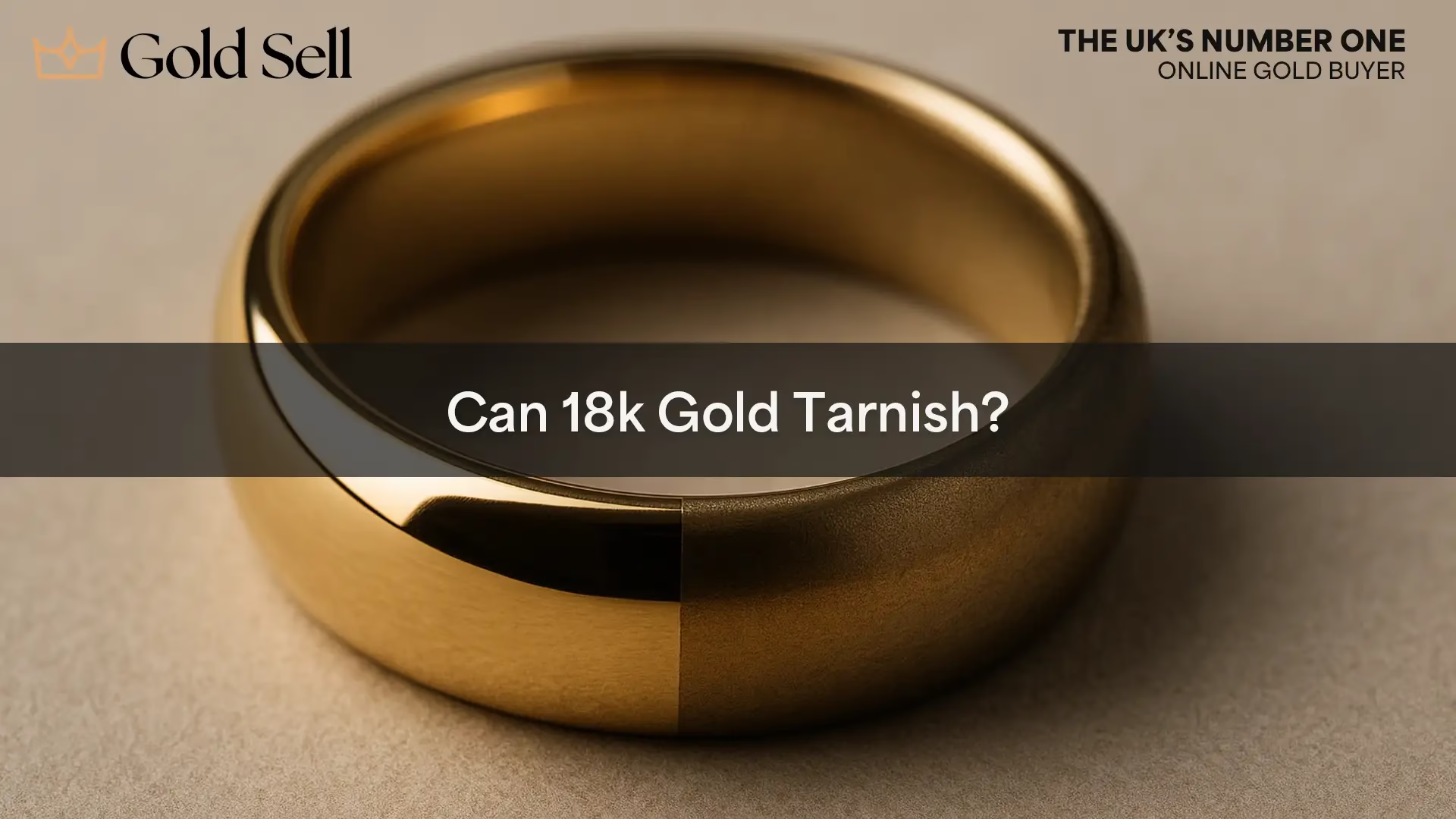
Yes, even 18-karat gold can tarnish under the right conditions, though it tarnishes much less readily than lower-karat gold. 18K gold’s high pure gold content (75%) means it is largely resistant to oxidation, and any tarnishing is usually due to the alloy metals mixed with the gold. In this post, we’ll explain why 18K gold tarnishes (and how to prevent it), clarify whether 18K is “real” gold, and explore related topics like gold vermeil and gold-plated jewellery.
Key Takeaways
- 18K gold can tarnish, but not easily: Pure gold is a noble metal that doesn’t corrode, so the 75% gold in 18K prevents most tarnish. Any dulling or darkening is caused by the 25% alloy metals (like copper or silver) in the mix reacting over time.
- 18K gold is real, high-purity gold: It consists of 75% pure gold and 25% other metals, giving it a rich colour and high value. This alloyed composition makes 18K gold both authentic and more durable for jewellery than 24K gold.
- “18K gold vermeil” means 18K gold-plated sterling silver: Vermeil pieces use a thick layer of 18K gold over a solid silver core, making them higher quality and more tarnish-resistant than ordinary gold-plated jewellery.
- Both vermeil and plated 18K gold can tarnish eventually: 18K gold vermeil tarnishes very slowly (thanks to its thick gold layer), whereas standard 18K gold-plated items with thinner coatings are prone to quicker tarnish once the base metal is exposed. Proper care, like keeping jewellery dry and clean, will greatly delay tarnishing for any 18K gold item.
Can 18k Gold Tarnish?
Yes, 18K gold can tarnish over time, although it is far more resistant to tarnishing than lower-karat gold. Pure gold (24K) does not tarnish at all, it’s one of the least reactive elements, which is why high-karat gold jewellery hardly ever discolours. In an 18K gold alloy, 75% of the metal is pure gold, so most of the piece is immune to tarnish. The small portion of other metals (25%) added to 18K gold for strength can react with oxygen, moisture, or chemicals, causing a faint tarnish or dull film on the surface over a long period. Essentially, it’s not the gold in 18K that tarnishes, but the alloy metals like copper, silver, or nickel that may oxidise and create discolouration.
In practice, 18K gold rarely shows tarnish if cared for properly. It has enough gold content that it won’t tarnish easily. Lower-purity golds (like 14K with 58.3% gold, or 10K with only 41.7% gold) have a higher percentage of reactive base metals, so they tarnish more readily than 18K. For example, 10K and 9K gold jewellery are the most prone to tarnish because of their large alloy content, whereas 18K’s higher gold content gives it excellent tarnish resistance. You might never see tarnish on an 18K wedding ring that’s worn daily for years, whereas a 9K gold ring might need frequent polishing. That said, even 18K gold can develop a subtle patina or slight dulling over decades. This gentle patina is often a result of tiny surface reactions and wear, not heavy tarnish, and it can be easily polished away if a bright shine is desired.
Certain conditions can encourage tarnish on 18K gold alloys. If you regularly expose your 18K jewellery to chemicals (like household cleaners, chlorinated pool water, or acidic sweat), the alloy metals may oxidise faster and leave a slight tarnish layer. For instance, copper in 18K rose gold could slowly darken if repeatedly exposed to sulphur or chlorine. Luckily, any tarnish that does appear on 18K gold is usually surface-level. It can be removed with gentle cleaning, for example, using warm water, a few drops of mild dish soap, and a soft cloth or toothbrush to lightly scrub the piece will restore its shine. Regular maintenance and smart habits (like taking off your rings before using harsh chemicals or swimming) will keep 18K gold jewellery tarnish-free for many years. In short, 18K gold tarnish is not a big concern, it can happen in theory, but it’s infrequent and easily managed compared to the tarnishing you’d see on lower-karat gold or sterling silver.
Is 18k Gold Real?
Yes, 18K gold is very much real gold. In fact, 18-karat gold is one of the highest-purity forms of gold commonly used in jewellery, containing 75% pure gold. The “18K” designation means 18 out of 24 parts are gold, with the remaining 6 parts made up of other metals. By contrast, pure gold is labeled 24K (24 parts gold with no alloy). So 18K is not pure gold, but it’s authentic gold alloyed with other metals for practical use. Don’t let the presence of other metals mislead you, 18K is still legally and commercially considered real gold. For example, in many countries like the UK, 9K (37.5% gold) is the minimum purity allowed to be marketed as “gold”, and in the US the minimum is 10K (41.7% gold). At 75% purity, 18K gold far exceeds these standards, underscoring its status as a precious, genuine gold material.
Gold in its pure form (24K) is extremely soft, so jewellers historically mixed it with harder metals to create more durable alloys. 18K gold strikes an ideal balance, it has a rich yellow colour and high intrinsic value due to the large gold content, yet it includes enough alloy metal to be sturdier than 24K gold. Common metals used in the remaining 25% of 18K gold include silver, copper, zinc, and sometimes palladium or nickel. These additions give 18K gold its strength and can also tweak its colour (e.g. adding copper for rose gold, or palladium for white gold). Importantly, none of this dilutes the “realness” of the gold, 18K gold jewellery is genuinely valuable and is hallmarked as such (look for a “18K” or “750” stamp indicating 75% gold purity).
Another advantage of 18K gold’s higher purity is that it tends to be more hypoallergenic than lower-karat gold. Because 18K has less room for base metals, it often contains little to no nickel (a common allergen). Alloys like 14K or 10K, which have higher percentages of non-gold metals, frequently use nickel or other inexpensive metals that can irritate sensitive skin. With 18K gold (especially yellow or rose gold alloys that use silver and copper instead of nickel), wearers with metal allergies usually experience fewer issues. That makes 18K gold a popular choice for fine jewellery when both luxury and skin-friendliness are priorities. In summary, 18K gold is real gold through and through, about 75% pure precious gold, combined with a bit of other metal to improve durability. It offers a luxurious look and feel, and its high purity grants it both monetary value and practical benefits in jewellery making.
What is 18k Gold Vermeil?
18K gold vermeil (pronounced ver-may) refers to jewellery made of sterling silver that has been coated in a thick layer of 18-karat gold. In other words, it’s high-quality gold-plated silver. The term vermeil is a French word meaning “gilded silver”, essentially, genuine silver jewellery with an outer finish of gold. For a piece to be called gold vermeil, it must meet strict criteria: the base metal must be sterling silver (92.5% pure silver) and the gold plating must be relatively thick and of high purity. By U.S. standards, gold vermeil requires a gold layer at least 2.5 microns thick (much thicker than standard gold plating) and at least 10K gold in purity. Many vermeil pieces use 14K or 18K gold for a richer colour, in the case of 18K gold vermeil, the outer layer is 75% pure gold, giving the piece the same appearance as solid 18K gold.
So, 18K gold vermeil = 18K gold-plated sterling silver. This combination results in jewellery that looks luxurious like solid gold, but is more affordable because the core is silver (a cheaper precious metal than gold). However, not all gold-plated silver is true vermeil, only those with the required thickness and purity qualify. The benefit of vermeil over ordinary gold plate is durability and quality. A typical gold-plated fashion necklace might have a super-thin 0.5 micron layer of gold over brass, which can wear off quickly. In contrast, vermeil uses a much thicker gold coating over silver, so it stands up to wear better and keeps its gold look for longer. Also, because the base is sterling silver (a precious metal), even if the gold layer eventually wears thin, the exposed metal will be silver in colour rather than a cheap base metal, meaning the piece will still look attractive (and won’t turn your skin green like brass might). Many jewellery lovers consider 18K gold vermeil to be the next best thing to solid gold: you get that high-karat gold glam on the surface and the assurance that all metals involved are noble (gold and silver), at a fraction of the cost of a full 18K gold item.
In summary, the meaning of 18K gold vermeil is a high-quality gold plating technique: a piece of sterling silver jewellery is lavishly plated with 18K gold. It’s a popular choice for those who want fine-jewellery quality and appearance without paying for an all-gold piece. Vermeil earrings, necklaces, and bracelets will have the luxurious yellow shine of 18K gold and can last for years with proper care, making them a smart value alternative to solid gold pieces.
Does 18k Gold Vermeil Tarnish?
18K gold vermeil is quite resistant to tarnishing, but it can tarnish over time under certain conditions. The thick 18K gold layer on vermeil pieces means the surface is largely 18K gold, which doesn’t tarnish easily. However, the core of vermeil is sterling silver, and silver will tarnish when exposed to air and sulphur over long periods. Thanks to the gold plating, the silver is not in direct contact with the environment, so a vermeil piece won’t tarnish or discolour quickly the way plain sterling silver would. In fact, gold vermeil is much less likely to fade or tarnish than standard gold-plated jewellery. With everyday wear, a well-made 18K vermeil necklace or ring might take many years before you notice any tarnish.
That said, over several years, you might see some dulling or darkening on a vermeil piece. Tarnish on 18K gold vermeil typically happens if the gold layer thins out or develops microscopic pores, allowing the sterling silver beneath to oxidise slightly. The tarnish may appear as a light brown or grey film in crevices or areas of high wear, stemming from the silver’s copper content reacting (forming oxides or “copper dioxide” patina). Environmental factors can contribute, for example, exposing vermeil to moist air, pollution, cosmetics, or sweat can encourage the underlying silver to tarnish faster. However, because of the gold coating, vermeil tarnish is usually minimal and slow to develop. It’s not like costume jewellery that turns green or black; instead you might just notice the piece isn’t as bright as it once was.
The good news is tarnish on 18K gold vermeil is easy to clean. Gently polishing the piece with a soft cloth (you can use a jewellery polishing cloth) will usually remove any surface tarnish and restore shine. You can also wash vermeil jewellery with mild soap and warm water periodically, just as you would with solid gold, to keep it clean. To prevent vermeil tarnish, it’s best to take a few precautions: remove your vermeil jewellery before showering, swimming, or exercising; keep it away from harsh chemicals like perfumes or cleaning agents; and store it in a dry, airtight container or jewellery box when not in use. Many vermeil fans also get in the habit of wiping down their pieces after wearing them to remove skin oils and moisture. With these simple care steps, 18K gold vermeil can remain tarnish-free and keep looking beautiful for a very long time, often decades. It offers an excellent balance between the rich look of 18K gold and practical durability against tarnishing.
Does 18k Gold Plated Tarnish?
Yes, 18K gold-plated jewellery can tarnish over time, and it generally tarnishes faster than solid 18K gold or 18K vermeil. Gold-plated items have only a thin layer of gold on the surface, often as thin as 0.5 to 1 micron of gold in typical plated jewellery. Under that gold flash is a base metal (commonly brass, copper, or a similar alloy) which is quite prone to oxidation and tarnish once exposed. When new, the piece might look indistinguishable from real gold, but as you wear it, the thin gold layer can wear away or develop tiny cracks, especially on high-friction areas. Eventually, air and moisture reach the base metal beneath, which then starts to corrode or oxidise. At that point, you’ll see tarnish or discolouration appearing, often a darkening, dulling, or even greenish tinge if copper is present.
Even before the gold plating completely wears off, plated jewellery may show tarnish because base metals can “bleed” through an ultra-thin gold layer. For instance, a ring plated with 18K gold over brass might start darkening in spots after a few months of daily wear, as the brass oxidises under the worn gold. Frequent contact with water, sweat, perfumes, or lotions accelerates this process, moisture and chemicals are enemies of delicate gold plating. You might notice the finish losing its shine or becoming patchy. This is why gold-plated pieces tend to require more care: if you want them to last, you should remove them before showering or swimming, avoid spraying perfume on them, and store them in a dry place. Even with careful use, plated jewellery will eventually tarnish or fade; the gold layer simply isn’t thick enough to protect the base forever.
To put it in perspective, compare gold plating vs. vermeil: vermeil’s gold layer is five or more times thicker, and its base is sterling silver, so it’s more resistant to tarnish. Standard 18K gold-plated jewellery (with a thin 0.5 micron layer over copper/brass) is more vulnerable, it’s a budget option meant for occasional wear or trendy pieces, not for heirloom longevity. When tarnish or wear becomes visible on gold-plated items, you have a few options: you can gently clean them (a soft cloth can remove light tarnish, and a mild soap bath might help), you can have them replated with gold at a jeweller to refresh the look, or if the piece is inexpensive, you might choose to replace it altogether. Ultimately, 18K gold plating does tarnish and wear off in time. Enjoy these pieces for what they are, an affordable way to get the gold look, but be aware they won’t stay pristine forever. If you need something more tarnish-resistant, consider upgrading to 18K gold vermeil or solid 14K/18K gold jewellery.
Frequently Asked Questions
Can 18k gold tarnish?
Yes, 18k gold can tarnish slightly over time, but it’s highly resistant compared to lower-karat gold. The pure gold in 18k doesn’t tarnish, it’s the small percentage of alloy metals like copper or silver that can react with oxygen, sweat, or chemicals. Any dullness or discolouration is usually superficial and easily removed with gentle cleaning or professional polishing, keeping 18k gold jewellery lustrous for decades.
Is 18k gold real?
Yes, 18k gold is absolutely real gold. It’s made of 75% pure gold and 25% alloy metals such as silver, copper, or palladium. These alloys strengthen the gold while maintaining its signature rich yellow tone and intrinsic value. Because it contains a high percentage of real gold, 18k is considered a premium, authentic metal used in fine jewellery worldwide and is legally hallmarked as real gold in the UK.
What does 18k mean on gold?
“18k” stamped on jewellery means it contains 18 parts gold out of 24, that’s 75% pure gold. The remaining 25% is other metals that improve hardness and colour. In hallmarking terms, you’ll see “750” engraved to indicate this purity. This blend gives 18k gold a beautiful, warm hue with excellent durability, making it a sought-after balance between luxury and everyday practicality in fine jewellery.
Does 18k white gold tarnish?
Yes, 18k white gold can tarnish slightly, though not like silver. Its alloy metals, such as palladium or nickel, may oxidise faintly over time. Most white gold is plated with rhodium, which gives it a bright, silvery finish and protects against tarnish. When this plating wears off, the underlying alloy can appear yellowish, not due to tarnish, but natural gold tones. Re-plating easily restores its pristine, reflective appearance.
Does 18k gold plated tarnish?
Yes, 18k gold-plated jewellery tarnishes more quickly than solid or vermeil gold. That’s because the thin layer of gold (often under 1 micron thick) wears away, exposing base metals like brass or copper, which oxidise when exposed to air or moisture. Regular wear, sweat, and perfumes accelerate this process. With careful maintenance, keeping it dry and avoiding chemicals, gold-plated pieces can retain their finish longer, but tarnishing is inevitable.
Why does 18k gold tarnish?
18k gold tarnishes because of the alloy metals it contains. Pure gold never tarnishes, but the 25% of metals like copper, silver, or nickel can react with air, humidity, or chemicals. These reactions form a faint surface film, dulling the shine. Over time, environmental exposure, especially to chlorine, perfume, or sweat, can accelerate this oxidation. Fortunately, 18k gold tarnish is minimal, easily cleaned, and doesn’t affect the metal’s integrity.
How to clean 18k gold?
To clean 18k gold, soak it in warm water with mild dish soap for ten minutes, then gently scrub using a soft toothbrush. Rinse and pat dry with a lint-free cloth. Avoid harsh chemicals or abrasive materials that could scratch or erode alloys. For stubborn tarnish, use a professional polishing cloth or have it steam-cleaned by a jeweller. Regular cleaning preserves 18k gold’s deep lustre and prevents buildup from everyday wear.
What is 18k gold over sterling silver?
18k gold over sterling silver means a layer of 18k gold is electroplated onto a solid sterling silver base, also known as 18k gold vermeil. This combination merges the brightness and luxury of real gold with the strength and affordability of silver. Vermeil pieces have a thicker gold layer than typical plating (usually at least 2.5 microns), giving them longer-lasting shine and excellent resistance to tarnishing when properly cared for.
What is patina on gold?
Patina on gold is a soft, natural sheen that develops from wear over time. On 18k gold, it’s not tarnish but a mellowed glow caused by micro-scratches and light oxidation of alloy metals. Many collectors value patina because it adds vintage charm and uniqueness to jewellery. Unlike rust or heavy discolouration, patina is harmless and easily polished off if you prefer a bright, mirror-finish shine.
Is 18k gold plated good?
18k gold-plated jewellery is good for affordability and appearance, but not for longevity. It offers the rich tone of 18k gold at a fraction of the price, thanks to a thin outer layer of gold. However, it’s less durable than solid gold or vermeil and will fade or tarnish with wear. For occasional or statement pieces, it’s excellent value, but for everyday wear, solid or vermeil gold is better.
Is 18k gold plated waterproof?
No, 18k gold-plated jewellery isn’t waterproof. While brief contact with water won’t destroy it, regular exposure, especially to saltwater, chlorine, or hot showers, causes the thin gold layer to wear away quickly. Moisture and soap also dull the shine and corrode the base metal beneath. Always remove gold-plated items before swimming or bathing. Keeping them dry is the best way to preserve their colour and finish.
Is 18k gold better than 14k?
18k gold is better in purity and colour, while 14k is better for durability. 18k contains more gold (75%) for a richer hue and hypoallergenic properties, but it’s softer and more prone to scratches. 14k, with 58% gold, is harder and ideal for active wearers or daily rings. In short, 18k suits luxury and skin sensitivity; 14k suits toughness and practicality. Both are excellent choices, depending on lifestyle.
Is 18k gold expensive?
Yes, 18k gold is expensive because it contains 75% pure gold, one of the world’s most valuable metals. It’s pricier than 14k or 9k due to higher gold content and richer colour. Prices vary with gold’s market value and craftsmanship, but 18k remains a hallmark of fine, investment-grade jewellery. Its superior purity, lustre, and hypoallergenic nature justify the higher cost for many buyers seeking enduring quality.
What does 18k gold vermeil mean?
18k gold vermeil means a layer of real 18k gold plated over sterling silver, creating premium, affordable fine jewellery. The gold layer is thick (at least 2.5 microns), ensuring better longevity than standard plating. It offers the look and feel of solid gold while remaining budget-friendly and tarnish-resistant. Essentially, vermeil combines two precious metals, gold and silver, for lasting beauty and quality without the full price of solid 18k gold.
Is 18k gold waterproof?
Solid 18k gold is water-resistant but not entirely waterproof. Occasional exposure, like washing hands or rain, won’t damage it, since gold doesn’t rust. However, frequent contact with chlorinated pools, saltwater, or soap can dull its surface or corrode alloy metals over time. To maintain brilliance, it’s best to remove 18k gold jewellery before swimming or showering, then gently dry it if it does get wet.
Does 18k gold scratch easily?
Yes, 18k gold scratches more easily than lower-karat gold because it’s softer, containing more pure gold and fewer hard alloy metals. Everyday wear can cause fine scuffs or surface marks, especially on rings and bangles. These scratches are superficial and can be polished out professionally. Many wearers embrace the subtle patina of use, which adds warmth and character. Storing pieces separately helps minimise unnecessary scratching.
Is 18k gold hypoallergenic?
Yes, 18k gold is generally hypoallergenic, making it suitable for sensitive skin. Its high purity (75% gold) means fewer reactive metals like nickel, a common irritant found in lower-karat alloys. Most 18k jewellery uses silver, copper, or palladium as alloy metals, which are skin-safe for most people. While no metal is entirely allergy-proof, 18k gold is among the safest, especially for earrings and everyday wear.
Can I wear 18k gold in the shower?
You can, but it’s best not to wear 18k gold in the shower. Water itself won’t damage it, but soap, shampoo, and heat can leave dulling residues and accelerate minor tarnish on alloy metals. Over time, daily exposure can reduce shine. Removing your jewellery before showering helps preserve brilliance and prevents accidental loss. If it does get wet, rinse thoroughly and dry gently with a soft cloth.
Interested in selling gold with the UK’s highest paying gold buyer? Visit our Sell Gold page to get a competitive valuation – we provide fully insured postage and fast payment.
For more insights and the latest gold price today, keep an eye on our live charts and blog updates.