Can Gold Get Rusty?
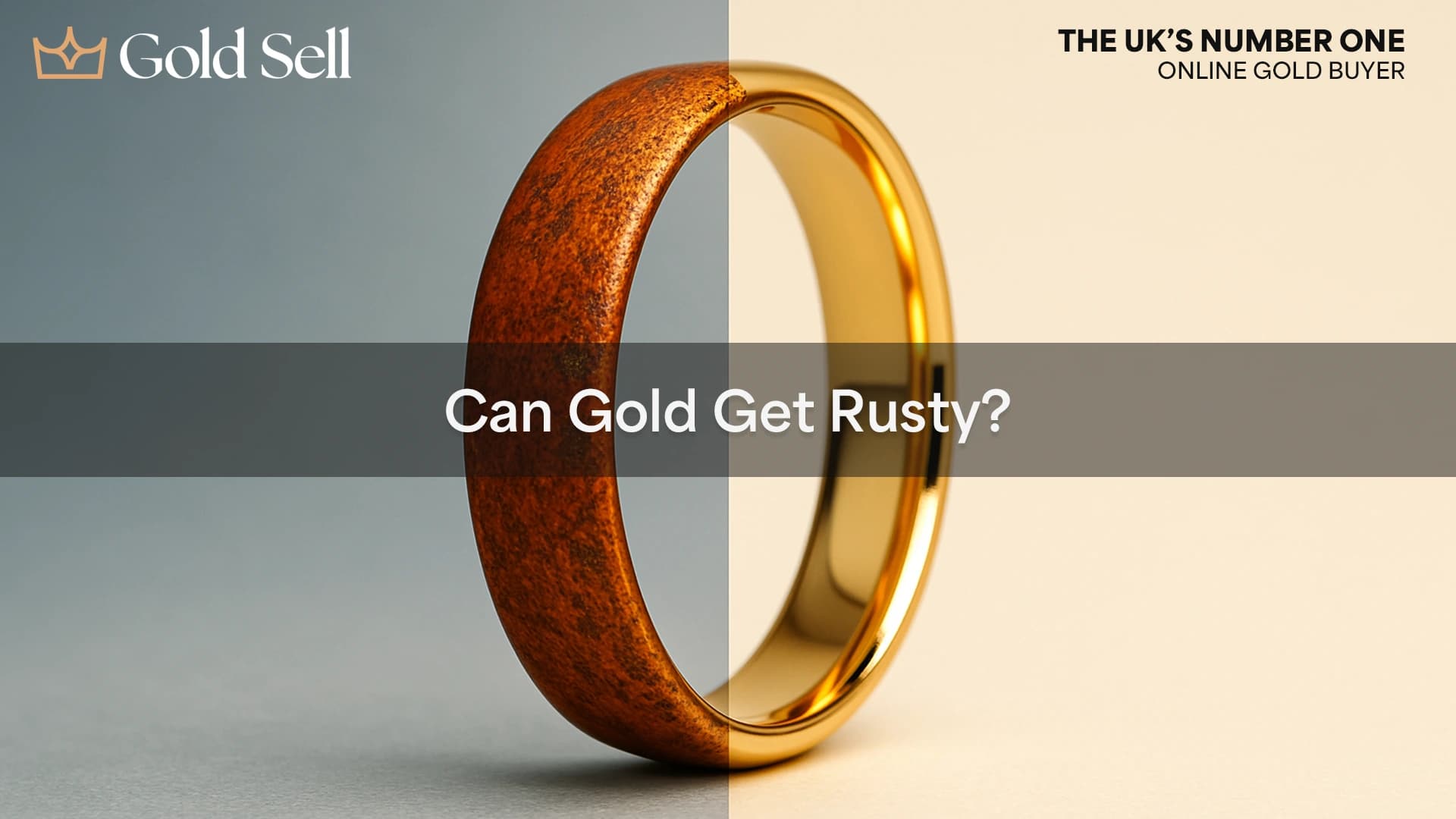
Gold is prized for its enduring shine, but can it ever develop rust? In short, pure gold cannot rust – rust is an iron-based phenomenon, and there’s no iron in gold. Even after centuries, gold artefacts emerge untarnished, thanks to gold’s exceptional resistance to corrosion. However, gold in jewellery or coins is often mixed with other metals, and those alloy metals can oxidise or discolour over time. This leads to confusion when people notice dullness, darkening, or reddish spots on their gold items. In this comprehensive guide, we’ll clear up misconceptions about gold “rusting” versus tarnishing, explain why some gold items develop blemishes, and provide simple, practical tips to keep your gold gleaming.
Key Takeaways
- Pure gold doesn’t rust or tarnish: Gold is a noble metal, meaning it’s extremely unreactive. It does not form rust (iron oxide) because it contains no iron. Even in harsh environments, 24-karat gold remains corrosion-free.
- Alloys can tarnish: Most gold jewellery and coins are made of alloys (e.g. 9K, 14K, 18K gold) containing copper, silver, nickel or other metals. These metals oxidise over time, causing surface dullness, dark spots, or red colouration on gold pieces.
- Rust vs tarnish: “Rust” refers specifically to iron oxide (the flaky reddish corrosion on iron/steel). Gold cannot rust in this sense. Tarnish is a thin film of corrosion on metals like copper or silver; gold alloys may tarnish if those metals are present.
- White gold and rose gold: White gold (gold mixed with nickel/palladium) and rose gold (gold with copper) can discolour differently. Rose gold’s copper can darken or redden, while white gold may lose its rhodium plating and appear dull or slightly yellow over time.
- Preventing tarnish is easy: Keep gold dry and away from chemicals. Store jewellery in airtight bags or boxes with anti-tarnish strips. Avoid chlorine (swimming pools, bleach) which can damage gold alloys. Regular gentle cleaning will help maintain lustre without harming your gold.
Can Gold Get Rusty?
No – pure gold cannot get rusty. Rust is a type of corrosion that only happens to iron and iron alloys (like steel). It’s the reddish-brown flaky coating you see on old nails or bicycles, which is actually iron oxide. Gold contains no iron, so it simply cannot form rust. In fact, gold is famed for being chemically inert and does not react with oxygen or water in the way iron does. This is why pure gold, such as 24-carat coins or bars, will not rust and will not tarnish.
That said, gold in everyday objects is rarely 100% pure. Jewellery and some coins are made from gold alloys (for example, 14K gold is about 58% gold mixed with other metals). While the gold portion remains rust-proof, the other metals in the alloy (like copper, silver, or nickel) are more reactive and can oxidise. Over time, these alloy metals may corrode and cause discolouration or “rusty” looking spots on the gold item. The gold itself remains intact, but the overall piece can appear tarnished or stained because of the alloy components.
To understand why gold resists rust so well, consider its position as a noble metal. Noble metals (such as gold, platinum, and palladium) have very low reactivity. Gold atoms don’t easily bond with oxygen or other common elements that cause corrosion. As a result, pure gold can sit exposed to air and moisture for centuries without developing the crumbly oxide layers that iron would. (For example, archaeologists have recovered gold jewellery from ancient tombs still shining after thousands of years.) So, if you see what looks like “rust” on a gold item, it’s not the gold that’s rusting – something else is at play.
What Is Rust?
Rust is the reddish-orange corrosion that forms on iron or steel. Chemically speaking, rust is a type of iron oxide (commonly hydrated iron(III) oxide) created when iron reacts with oxygen and water. Essentially, iron + moisture + oxygen = rust. Over time, rust eats away at iron-based metals, forming that flaky coating and weakening the metal.
Importantly, “rust” refers only to iron-based metals. Other metals corrode in different ways but we typically use different terms for those. For example, copper develops a green patina (not called rust), and silver turns black from tarnish (silver sulfide). When people ask “Can gold rust?”, they’re using “rust” loosely to mean any kind of corrosion or tarnish. But since gold has no iron, it cannot produce true rust. If gold jewellery is discoloured, it’s due to other forms of corrosion, not iron oxide.
In everyday language, we might also use “rust” as a broad term for metal corrosion. However, in the context of gold it’s more accurate to talk about tarnish or other types of corrosion. Let’s explore what tarnish means for gold and why your gold might sometimes not look so shiny.
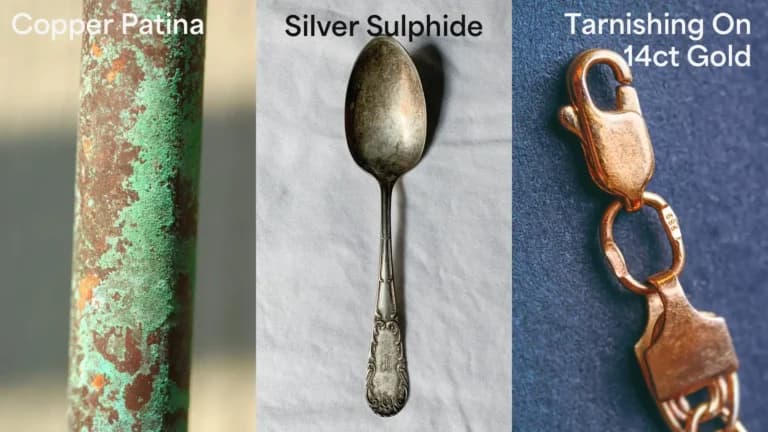
Different metals tarnish in different ways: copper forms a green patina, silver develops a black tarnish (silver sulphide), and gold alloys like 14ct gold may show surface dulling or dark spots from alloy metal oxidation. This illustrates why gold discolouration is not rust, but tarnish.
What Is Tarnish?
Tarnish is a thin layer of corrosion or dull film that forms on the surface of metals like copper, brass, silver, and others when they react with chemicals in the air. Unlike rust (which flakes and penetrates iron deeply), tarnish is usually a surface phenomenon – it discolours the metal but often can be cleaned off, restoring the original shine. For example, silver tarnish is the black coating that develops when silver reacts with sulphur compounds in the air, and copper tarnish might be the green or brown patina (as seen on old pennies or the Statue of Liberty).
In the case of gold, tarnish is a bit more complex. Pure gold (24 carat, ~99.99% gold) is extremely resistant to tarnish – it does not react with oxygen or sulphur in normal conditions, so it stays bright. If you have a pure gold coin or bar, you’ll notice it doesn’t darken or change colour over time. However, most gold items are not pure. For practicality and durability, gold is often mixed with other metals. These other metals can tarnish, which in turn affects the look of the gold alloy.
Several factors influence how much a gold alloy might tarnish:
- Purity (Carat/Fineness): Lower-purity gold (like 9K or 14K) contains a higher percentage of alloy metals, making it more prone to tarnishing than 18K or 22K gold. In the UK, for instance, 9 carat gold (37.5% pure) is common for jewellery, while 18 carat (75% pure) is another popular standard. A 9K gold ring has over 60% base metals (often copper, silver, zinc), so it may darken or dull faster. By contrast, 18K gold has only 25% alloys, so it retains its lustre longer. Pure 24K gold is virtually immune to tarnish in everyday environments.
- Alloy Metals Used: The type of metals mixed with gold greatly affects tarnish resistance. Gold alloyed with “noble” metals like platinum or palladium (as in some white gold) resists corrosion better. But gold alloyed with more reactive base metals like copper or silver will be more vulnerable to tarnish. For example, rose gold (which gets its rosy colour from a high copper content) can eventually develop a dark or dull tone because copper oxidises over time. Gold with significant silver content (as in some pale yellow gold alloys) can get a mild dark tarnish since silver tarnishes when exposed to air and sulphur compounds.
- Storage and Environment: How you store and wear your gold impacts tarnish. Humidity, air pollution, and chemicals can all speed up tarnishing of the alloy metals. Storing gold jewellery in a damp bathroom or exposed to open air can invite oxidation. Air pollutants (like sulphur from car exhausts or certain wooden boxes that emit acids) can cause tarnish on silver or copper components. Even skin oils, sweat, or cosmetics can contribute – for instance, perspiration and salty air can corrode copper in gold alloys. On the other hand, keeping gold in a dry, airtight container slows down tarnish significantly.
- Contact with Chemicals: Gold’s alloy metals may react if the item contacts certain chemicals. Chlorine is a notorious culprit – it can cause gold alloys (particularly those with nickel or lower purity) to corrode or even crack over time. Household bleach, swimming pool water, or hot tubs with chlorine can all tarnish or weaken gold jewellery. Likewise, cosmetics, perfume, hairspray, or cleaning agents might contain sulphur or other reactive substances. It’s often recommended to put on jewellery after applying lotions or sprays, and to remove gold jewellery before swimming or handling harsh chemicals.
In essence, tarnish on gold is the result of alloy metals slowly reacting with the environment. It usually appears as a slight darkening, dullness, or hint of colour on the gold’s surface. The good news is that tarnish (unlike rust on iron) typically doesn’t eat away the underlying metal substantially – it’s often just a surface film. That means tarnish can be cleaned off, restoring the gold’s shine, as we’ll discuss later.
Does Gold Tarnish? Comparison of Gold Types and Their Tarnish Resistance
Not all gold is created equal when it comes to tarnishing. The table below compares the most common types of gold and explains how likely each is to tarnish—and why.
| Gold Purity | Will It Tarnish? |
|---|---|
| Can 24K gold tarnish? | No – 24K gold is pure and does not tarnish, as it contains no alloyed base metals. |
| Can 22K gold tarnish? | Rarely – slight tarnish is possible due to small amounts of alloy metals like copper or silver. |
| Can 18K gold tarnish? | Unlikely – 18K gold has a high gold content, but minor tarnish can occur from alloy metals over time. |
| Can 14K gold tarnish? | Yes – with 58.5% gold and 41.5% alloy metals, tarnishing is more likely, especially from copper or silver. |
| Can 9K gold tarnish? | Yes – 9K gold contains a high percentage of reactive base metals, making it prone to tarnishing over time. |
| Can white gold tarnish? | Yes – the rhodium plating can wear off, exposing the alloy underneath which may dull or oxidise slightly. |
| Can rose gold tarnish? | Yes – rose gold contains a high amount of copper, which can oxidise and darken with time or exposure. |
| Can gold vermeil tarnish? | Yes – although it uses sterling silver under a thick gold layer, the silver base can tarnish if exposed. |
| Can gold plated jewellery tarnish? | Yes – thin gold layers wear quickly, exposing the base metal beneath which can tarnish or oxidise. |
| Can gold filled jewellery tarnish? | Occasionally – gold-filled items are more durable than plated, but may tarnish with heavy wear or poor storage. |
How Does Gold Tarnish?
Gold tarnishes indirectly, through the oxidation of its alloy components. Here’s a closer look at the process:
When a gold alloy item is exposed to air and moisture, the more reactive metals in the mix start to oxidise (combine with oxygen) or react with other chemicals like sulphur. For example, copper atoms near the surface of a gold piece can slowly react with oxygen from the air. Over a long period, this can form copper oxide, which might appear as a faint reddish or brownish tint on the jewellery. If sulphur compounds are present (from polluted air or contact with certain foods or chemicals), copper can form copper sulphide, which is nearly black. Likewise, silver in a gold alloy will react with sulphur to form silver sulphide – often seen as a dark tarnish.
Crucially, the gold itself remains largely unchanged. Gold atoms don’t bind with oxygen; instead, it’s the copper or silver atoms intermixed with gold that undergo the chemical change. This is why a 14K gold necklace might gradually lose its bright yellow sparkle and look a bit darker or dirtier over time – its 58% gold is fine, but the 42% other metals have formed oxides/sulphides on the surface.
The tarnish process is usually slow and incremental. You might not notice your gold chain dulling day to day. But compare a well-worn gold ring to a brand new one, and you may see that the older piece isn’t as vivid in colour. Often just cleaning off the surface (removing those oxides) will bring back the shine, since the underlying gold hasn’t been consumed by the reaction.
Certain conditions accelerate tarnishing:
- Moisture and Sweat: Water itself doesn’t damage gold, but it can speed up oxidation of alloy metals. Sweat is even more effective, because it’s salty and slightly acidic – a perfect catalyst for corrosion. That’s why rings or watches worn during exercise may tarnish quicker (or leave green/black marks on skin) as the metals react with perspiration.
- Chemicals (Chlorine & Bleach): As mentioned, chlorine is harsh on gold alloys. It can cause a form of stress corrosion cracking in gold jewellery, as well as surface corrosion. A few hours in a chlorinated pool won’t dissolve your gold ring, but repeated exposure can tarnish and weaken it. Bleach-based cleaners are similarly risky; even fumes in a storage closet can tarnish jewellery over time.
- Acids and Bases: Household acids (like vinegar or lemon juice) and bases (like ammonia) typically don’t affect pure gold, but they can corrode some alloy metals or strip protective coatings. For instance, vinegar can react with copper oxide, potentially cleaning tarnish but also possibly etching other metals if misused. This is why you’ll see warnings about not soaking certain jewellery in acidic cleaners for too long.
It’s worth noting that different gold colours tarnish differently. Yellow gold (with balanced copper/silver content) might just get a bit dull or slightly brownish. Rose gold, with high copper, may develop a deeper red or brown toning over years if unworn. White gold can appear to tarnish by turning yellowish – although in many cases that “tarnish” is actually the yellow gold alloy showing through as the rhodium plating wears off. High-end white gold often contains palladium which doesn’t tarnish, so its discolouration is minimal (it just looks a faint grey-white). Lower-end white gold may contain nickel and copper, so if not replated, it could tarnish a bit (or at least lose brightness).
In summary, gold tarnishes via the oxidation of whatever metals are blended with the gold. It’s a surface-level effect, usually reversible, and can be minimised by choosing higher-purity gold or taking care of your jewellery. Next, let’s look at one specific tarnish phenomenon that often worries gold owners: red spots on gold.
Red Spots On Gold
Finding reddish-brown spots on gold bullion or jewellery can be alarming – it almost looks like rust. In fact, these spots are commonly called “copper spots” and they are a form of tarnish/corrosion coming from tiny amounts of alloy metals in the gold. Even 24-carat gold bars or coins, which are 99.99% pure, can occasionally develop red spots. How is that possible if they’re almost pure gold? The answer lies in the last 0.01%:
A 24K gold bar marked “999.9” fine gold is almost entirely gold, but it may contain trace impurities like copper or silver (on the order of one part per ten thousand). If a microscopic fleck of copper or silver ends up near the surface of the bar, over time that speck can oxidize and form a reddish stain or spot on the gold. The gold itself is not rusting – the tiny copper inclusion is. These reddish spots are essentially copper oxide (or sometimes copper sulphate), and they stand out against the gold’s yellow background.
Common sources of red spots on gold include:
- Copper in the Alloy: Many gold coins (even “pure” ones) have minuscule copper content. For instance, American Gold Eagles and Krugerrands are 91.7% gold (22K) with the rest mostly copper. Over years, those coins can develop small red freckles as the copper molecules at the surface oxidise. Even coins advertised as 99.99% can have a microscopic copper pickup from processing or alloying – enough to create spotting.
- Silver in the Alloy: Silver can also cause spots, though silver oxide tends to be dark brown or black. In practice, red spots are more often attributed to copper, but high silver content (like in some older 90% gold coins) might yield darker tarnish spots.
- Contamination during Minting: Tiny metal particles from machinery or dyes can sometimes get onto gold during production. If a speck of iron from a tool or a bit of copper from another batch lands on a gold coin blank, it could later rust or tarnish, appearing as a spot. Modern mints are very clean, so this is rare, but it has happened historically (for example, reports of Russian gold coins with spots that turned out to be from tool contamination).
The key reassurance is that red spots do not damage the underlying gold or reduce the gold content. They are surface blemishes. Your coin or bar is still as pure in gold as before. In the bullion trade, red spotting is mostly a cosmetic issue. A coin with spots might not be as pretty and could fetch a slightly lower premium from a picky collector, but it still has full melt value. Dealers and mints often advise against aggressively cleaning or polishing off red spots, because you might do more harm than good (scratching or removing material).
So what can you do about red spots? If it’s a high-purity bullion coin or bar, the safest approach is often to leave it be. However, professional coin conservation services (like NGC) have techniques to gently remove copper spots without harming the coin. For jewellery with red spots (say a rose gold piece that got a dark spot), you could polish it carefully or use a jeweller’s cleaning service. Mild cleaning solutions sometimes lighten these spots (since acids like vinegar can dissolve copper oxide), but one must be careful not to damage the gold polish or any gemstones in the process.
It’s also worth preventing red spots by storing gold properly. Keeping gold in a low-humidity environment and away from chemicals will minimise oxidation of any alloys. Many modern gold coins come encapsulated; leaving them in their capsules can prevent exposure that causes spotting. Ultimately, a red spot on gold is a sign that “gold doesn’t rust, but something in it did.” It’s a natural occurrence for certain alloys and doesn’t mean your gold is fake or ruined – just that it has a tiny pinch of reactive metal that left its mark.
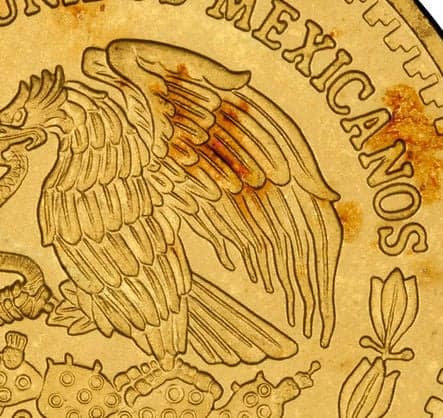
Red spots on this gold coin are caused by tiny traces of copper in the alloy reacting with air and moisture over time. These blemishes are common on high-purity bullion and do not affect the gold content or authenticity of the coin.
Can White Gold Rust?
White gold is a popular gold alloy for jewellery, prized for its silvery-white shine. But if you’ve owned white gold pieces, you might wonder why they sometimes yellow or lose their lustre over time. Can white gold rust or tarnish? The answer: white gold cannot rust (no iron), but it can tarnish or discolour. The extent depends on its composition and finish.
First, understand what white gold is: It’s an alloy of gold with “white” metals such as nickel, palladium, silver, and zinc that give it a paler colour. For example, 18K white gold might be 75% gold, 10% nickel, 10% copper, 5% zinc (just as an illustrative mix), whereas another recipe might use palladium instead of nickel. Most white gold jewellery is also plated with rhodium, a bright white metal, to enhance whiteness and shine.
Here’s how these factors relate to tarnish:
- Nickel White Gold vs Palladium White Gold: White gold traditionally used nickel as the bleaching alloy. Nickel is strong and cheap, but it’s somewhat reactive and can tarnish. Over time, nickel-containing white gold may develop a slight yellow or dull haze once its rhodium plating wears off. The underlying alloy has a light yellowish-grey tone (because remember, 75% of it is still yellow gold), and any tarnish on the nickel or copper will further dim its colour. On the other hand, palladium-based white gold is much more resistant to tarnish. Palladium is a noble metal like platinum; it doesn’t easily oxidise. Palladium white gold is essentially impervious to tarnish and doesn’t require rhodium plating to stay white. Many high-end jewellers now offer palladium white gold alloys for their superior stability and because they’re hypoallergenic (nickel can cause skin reactions in some people).
- Rhodium Plating Wear: Most white gold jewellery has a rhodium coating initially, which is very shiny and mirror-bright. Rhodium itself doesn’t tarnish. However, this plating is thin and can wear off with time and abrasion (e.g. rings rubbing against surfaces). As the rhodium layer thins, the natural colour of the white gold alloy starts to show through – often a faint yellow or grey tinge. People sometimes mistake this for tarnish or “my ring is turning yellow.” It’s not a chemical tarnish in the usual sense (nothing is reacting at that moment), but rather the true colour of the metal revealing itself. If the underlying alloy has nickel or copper, those metals might also slowly oxidise, contributing to a slight dullness. Replating the piece with rhodium will instantly restore the crisp white look.
- No Iron, No Rust: Just to be clear, white gold has no iron, so it cannot rust. Any brownish or reddish discolouration on white gold would not be rust – it would likely be copper tarnish (since some white gold alloys include a bit of copper for hardness). It’s quite uncommon to see white gold develop actual brown tarnish spots, but in theory if a white gold piece had enough copper and was exposed to corrosive conditions, it could get a hint of that. More often, white gold just gets dull or slightly yellowed rather than visibly “rusty.”
- How To Make White Gold Last Longer: White gold’s worst enemy is the same as yellow gold – chemicals like chlorine. In fact, stress corrosion cracking from chlorine is a known issue in white gold rings with high nickel content: the metal can develop microscopic cracks and a brittle feel if repeatedly exposed to chlorine (like regular swimming or heavy bleach use). This isn’t rust or tarnish per se, but actual structural damage. So, avoiding chlorine is crucial for white gold longevity. When not wearing white gold, keeping it in a dry place slows any tarnish. If it starts looking yellowish, a professional polish and rhodium replating can make it look like new.
In summary, white gold can tarnish in the sense that it loses its white sheen and can appear a bit yellow or dull. This happens as the rhodium plating wears and the alloy metals (nickel, copper, silver) naturally oxidise slightly. Palladium white gold is a notable exception – it stays white and untarnished on its own. But no white gold will ever “rust” with orange flakes, because rust doesn’t apply to gold alloys. With proper care (and periodic replating for nickel white gold), your white gold jewellery can remain bright and beautiful for many years.
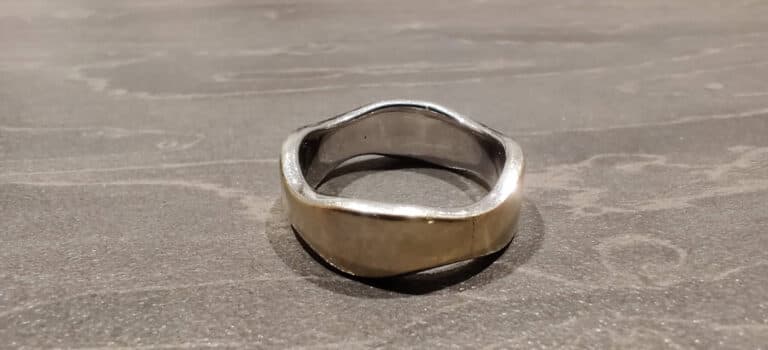
This white gold ring shows visible yellowing and dullness due to the gradual wearing away of its rhodium plating and natural oxidation of alloy metals like nickel and copper beneath. Regular replating can restore its original bright white finish.
Can Gold Corrode?
The word corrosion means the gradual destruction of materials (usually metals) by chemical reactions with their environment. Rusting and tarnishing are both forms of corrosion. So, can gold corrode at all?
Pure gold is one of the least corrosive metals on the planet. It’s so unreactive that in everyday conditions – air, water, humidity – it undergoes virtually no corrosion. Gold doesn’t oxidise, doesn’t rust, and doesn’t tarnish (as we’ve explained). This is why gold is called a noble metal. It “nobly” resists the common afflictions that eat away at other metals. You could drop a 24K gold coin in the ocean, come back years later, and it would look essentially the same (aside from maybe some surface grime or biofouling). Sunken treasure caches often yield gold coins that are still gleaming after centuries underwater, whereas any iron artefacts nearby have long disintegrated into rust.
However, when we talk about gold items corroding, the nuance is in the alloy metals. Gold’s corrosion resistance is superb, but the metals mixed with gold can certainly corrode:
- Base Metal Alloys: Gold is often alloyed with base metals (metals that are not noble). Copper, zinc, nickel, and silver – these are all susceptible to corrosion. Over time, exposure to air and moisture can cause these metals to form oxides or other compounds. In a gold alloy, such corrosion usually manifests as tarnish or spots on the surface (as discussed). It’s essentially the alloy “corroding” in slow motion.
- Galvanic Corrosion: If gold jewellery contacts another metal in a damp environment, a galvanic reaction can occur. Gold is cathodic (noble) compared to most metals, so the other metal might corrode faster. For example, if a gold ring has a solder made of a different metal, and it’s frequently wet, the solder could corrode preferentially. This is a complex scenario but worth noting in certain jewellery manufacturing contexts.
- Environmental Chemicals: While pure water or air won’t touch gold, certain chemicals will. The most famous is aqua regia, a mixture of nitric and hydrochloric acids that will dissolve gold. (In laboratory terms, that’s a form of corrosion – the gold is oxidised and goes into solution as chloroauric acid). This isn’t something you encounter outside a chemistry lab, but it proves that gold is not invincible to all corrosion – just the common ones. Likewise, mercury is a danger to gold: it doesn’t corrode gold in the oxidising sense, but it forms an amalgam, eating into gold’s structure. This is why you should keep gold jewellery away from mercury (like old thermometers), as it can literally wreck the gold by forming a soft amalgam.
- Chlorine and Sulphur: Reiterating, chlorine can cause a form of corrosion in gold alloys (particularly brittle cracks in 14K–18K jewellery). Sulphur (from polluted air or certain stored materials) can corrode silver or copper in gold, leading to tarnish.
So, gold’s noble nature means the gold portion of an item doesn’t corrode easily, but overall gold items can show corrosion due to their alloy ingredients. The higher the gold purity, the more corrosion-resistant the item is. That’s one reason investment-grade coins are often 24K or 22K – they stand the test of time. On the flip side, very low-karat gold (like some traditional 8K or 9K pieces) can corrode more visibly; such items might even get verdigris (greenish copper corrosion) in crevices if neglected.
For practical purposes: Your gold bullion and high-karat jewellery won’t corrode with normal care. Keep them dry and clean, and they’ll retain their integrity indefinitely. Lower-karat jewellery can darken or weaken a bit if exposed to harsh conditions, but basic maintenance prevents serious issues. Think of gold as a highly durable metal – it doesn’t rust away – which is why gold jewellery can be handed down for generations still looking beautiful.
How To Prevent Gold From Tarnishing?
Preventing tarnish on gold (or rather, on the metals in gold alloys) is largely about smart storage and care habits. If you follow a few best practices, you can keep your gold jewellery and bullion looking pristine and avoid the need for heavy cleaning or restoration. Here are the top tips to prevent gold from tarnishing:
- Keep It Dry: Moisture accelerates tarnish. Always store gold in a dry place. If you live in a humid climate, consider storing jewellery with a small silica gel packet to absorb moisture. For coins or bullion, moisture-resistant safes or airtight capsules are great options. Before storing, make sure each piece is completely dry – wipe off any sweat or water after wearing. Never leave gold sitting on a bathroom sink where it’s constantly exposed to humidity or splashes.
- Store Gold in Airtight Containers or Wrappings: Exposure to air (particularly polluted or salty air) can tarnish metals. Keeping gold items in sealed bags or jewellery boxes slows this process dramatically. You can use plastic zip-lock bags for jewellery (ensure they are clean and polyethene, not PVC which can emit corrosive fumes). Anti-tarnish strips or cloths can be placed in jewellery boxes to neutralise sulphur in the air. For silver-heavy gold alloys, this is especially helpful. Gold bullion coins often come in plastic capsules or vacuum-sealed – leave them in those if possible to keep air out.
- Separate and Protect: Store gold jewellery separately from other metals to avoid any chemical reaction or scratching. A soft pouch or individual compartment for each item is ideal. This not only prevents metal-on-metal abrasion (which can rub off protective coatings or metal layers) but also prevents any reactive metals from interacting. For instance, do not store gold jewellery with costume jewellery that might have odd metals or coatings; they could release vapours or cause tarnish.
- Avoid Chemicals and Cosmetics: One of the simplest rules – put on your gold jewellery last, take it off first. This means apply your perfume, hairspray, lotion, and makeup before wearing your gold. Many cosmetics contain compounds (like sulphides, acids, etc.) that can cling to jewellery and promote tarnish or even directly corrode certain alloys. Perfume, for example, often contains ethanol and aromatic compounds that might leave residues. By letting these dry first and then putting on jewellery, you minimise direct contact. Similarly, remove gold rings or bracelets before cleaning the house – bleach, cleaning agents, and even dish soap can be surprisingly harsh (bleach and chlorine especially can tarnish or pit gold alloys quickly). If you’re doing something messy or involving chemicals (even cooking with sulphur-rich foods like onions!), it can’t hurt to remove gold rings to avoid residues.
- Beware of Chlorine: It’s worth singling out chlorine again. Do not swim in a chlorinated pool or soak in a hot tub with gold jewellery on. Repeated pool exposure can lead to stress cracks in gold alloys and a loss of lustre. If you accidentally do, rinse the jewellery thoroughly with fresh water and dry it. Also, avoid storing gold in places where it might be exposed to bleach or cleaning supply fumes (e.g. don’t hang your gold necklace in a laundry room full of chlorine bleach vapours).
- Gentle Cleaning After Use: After wearing gold jewellery, especially in hot weather or if it contacted sweat/perfume, give it a gentle wipe with a soft, dry cloth before storage. This removes any chemicals or salts on the surface that might cause tarnish. For regularly worn pieces like wedding bands, a quick cleanse in mild soapy water every now and then can prevent buildup (more on cleaning methods in the next section). The key is do not let dirt and grime sit on gold for long periods, as those deposits can harbour corrosive agents.
- Don’t Polish Too Often: A bit of a counter-intuitive point: while cleaning is good, over-cleaning or polishing can wear away metal or remove protective layers (like rhodium on white gold). Polishing compounds are abrasive; they literally remove a thin layer of metal to reveal fresh shine. Gold is soft, so frequent polishing of jewellery will erode detailing and even reduce weight over years. Prevent tarnish so you don’t need to polish often. Save thorough polishing for when it’s truly needed, or have a professional do it infrequently.
- Myths to Bust – “Gold Maintenance” You Don’t Need: If you own gold bullion (coins or bars), you might think you should clean or polish them to keep them shiny. Don’t. Serious collectors know that cleaning coins can reduce their value. Patina or slight toning on coins is normal; polishing can scratch the coin or remove tiny bits of gold, doing more harm than good. Bullion bars often come sealed; leave them that way. You don’t need to oil them, coat them, or anything – pure gold takes care of itself. Just keep it in a dry, secure place. Another myth: that pure gold will tarnish if not regularly used or “activated” – completely false. Pure gold can sit in a vault untouched and still gleam decades later. Any odd advice about applying olive oil or varnish to gold to protect it is unnecessary (and could actually cause discolouration). Simplicity is best: dry, clean, airtight storage.
By following these practices, you’ll find that your gold jewellery hardly ever looks tarnished. High-karat pieces will stay almost as brilliant as the day you got them. Lower-karat items will also fare much better, only needing an occasional light clean. Prevention is easier than restoration, so a little care in storage and handling goes a long way to keep your gold sparkling.
How To Clean Tarnished Gold Jewellery?
Despite our best efforts, you might one day pick up a gold necklace or ring and notice it’s lost its shine or has a tarnish tint. The good news is cleaning gold jewellery at home is usually straightforward and gentle – no need for harsh chemicals or expensive kits in most cases. Here’s a step-by-step guide to safely clean tarnished gold and restore its sparkle:
1. Prepare a Mild Cleaning Solution: Fill a bowl with lukewarm water (not hot) and add a few drops of a mild dishwashing liquid (like a gentle, non-abrasive dish soap). Stir it to create a soapy bath. This simple solution is very effective at loosening dirt, oils, and light tarnish without harming gold. (Avoid any cleaner with bleach, “oxy” ingredients, or unknown chemicals.)
2. Soak the Gold: Place your gold jewellery in the solution and let it soak for a few minutes. For jewellery with heavy tarnish or lots of intricate detail, a 10–15 minute soak will help the soapy water penetrate into crevices. The warm water will loosen grime and the soap will start to break down any oils or residues that might be trapping tarnish.
3. Gently Brush if Needed: After soaking, use a soft-bristled toothbrush (ideally a baby toothbrush or a special jewellery cleaning brush) to very gently scrub the item. Focus on areas with discolouration or build-up. Use light pressure – let the bristles do the work. Make sure to get into tiny nooks where tarnish often hides (like underneath settings or in engraving). If the piece has intricate links or settings, you might use a cotton swab or a very soft makeup brush as well. This physical agitation usually lifts off the thin tarnish layer and any dirt.
4. Optional Ammonia Boost: If the jewellery is still dull or has stubborn tarnish after the initial cleaning, you can try a slightly stronger solution. Add a few drops of household ammonia to your soap-and-water bowl and soak the piece a bit longer. Ammonia is effective at tackling tarnish (especially copper or silver oxide) in small amounts. Caution: Use ammonia sparingly and make sure you’re in a well-ventilated area. Also, do not use ammonia on jewellery with porous gemstones (pearls, turquoise, etc.) or if the piece is only gold-plated, as it could be too harsh. For solid gold and diamonds, a brief ammonia soak is generally safe and helps remove persistent grime.
5. Rinse Thoroughly: Once cleaned, transfer the gold item to a new bowl of clean lukewarm water to rinse, or hold it under a gentle stream of running water. Rinse for at least a few seconds to remove all soap (and ammonia, if used), because any residue left can dull the shine or irritate skin. It’s wise to plug the sink drain or rinse in a bowl to avoid any mishaps with small pieces down the drain!
6. Dry and Buff: Pat the jewellery dry with a soft, lint-free cloth. Cotton or microfibre cloths work well. Avoid paper towels (they can scratch). Ensure the piece is fully dry, especially in crevices, to prevent any moisture lingering (which could cause future tarnish). After it’s dry, you can gently buff the gold with a jewellery polishing cloth if you have one. Polishing cloths are treated with compounds that give metal an extra shine. Lightly rub the gold in back-and-forth motions – you should see it glowing again.
By following the above steps, you should remove most typical tarnish and dullness from gold jewellery. This method is safe for all solid gold (yellow, white, rose) and won’t harm diamonds or harder gemstones. As noted, be cautious with any softer stones or pearls – those may require special care (often just wiping, not soaking).
What to Avoid:
- No harsh abrasives: Do not use toothpaste, baking soda paste, or other abrasive cleaners on gold. While you might see recommendations for cleaning silver with these, gold is softer and scratches easily. Toothpaste, for example, can scratch gold’s surface, dulling its finish.
- No vinegar or acid soaks (for jewellery with stones): Vinegar can clean pure gold and remove tarnish on copper or silver elements, but it might also damage gemstones or strip coatings. If your piece is plain gold metal, a quick vinegar dip won’t dissolve gold itself, but it’s usually unnecessary if soap works. Reserve the chemistry experiments for coins (and even then, with care).
- Avoid “quick dip” jewellery cleaners indiscriminately: Those liquid jewellery dips sold in stores can work for gold, but read the label – some are formulated for silver and might contain chemicals like thiourea or strong acids which aren’t needed for gold and can be harsh. If you use a commercial jewellery cleaner, ensure it’s intended for gold and follow instructions exactly.
- Ultrasonic cleaners caution: Ultrasonic machines can clean gold jewellery well by shaking off dirt, but they can also loosen stones from settings if used improperly. If you have one, only use it on plain gold or pieces with very secure stones, and not on fragile vintage items. Often, the soap method above is sufficient.
After cleaning, your gold should be shiny again. If you still notice discolouration that didn’t come off, it might not be tarnish but rather a deeper issue (like solder oxidation or a stain). In such cases, a professional jeweller can often steam-clean or use stronger (but safe) chemicals to restore the piece. They can also re-plate white gold with rhodium to fix that yellowish fade.
In general, a gentle clean every few months (or when you notice buildup) will keep tarnish from getting too noticeable. And remember, as discussed in the prevention section, don’t clean bullion coins – this advice is for jewellery that you wear and want looking its best. Properly cleaned and cared-for gold jewellery will retain its value and allure for the long run. Need a step-by-step guide? Read our full post on how to clean gold jewellery at home using safe, everyday products to restore shine and protect your pieces for years to come.
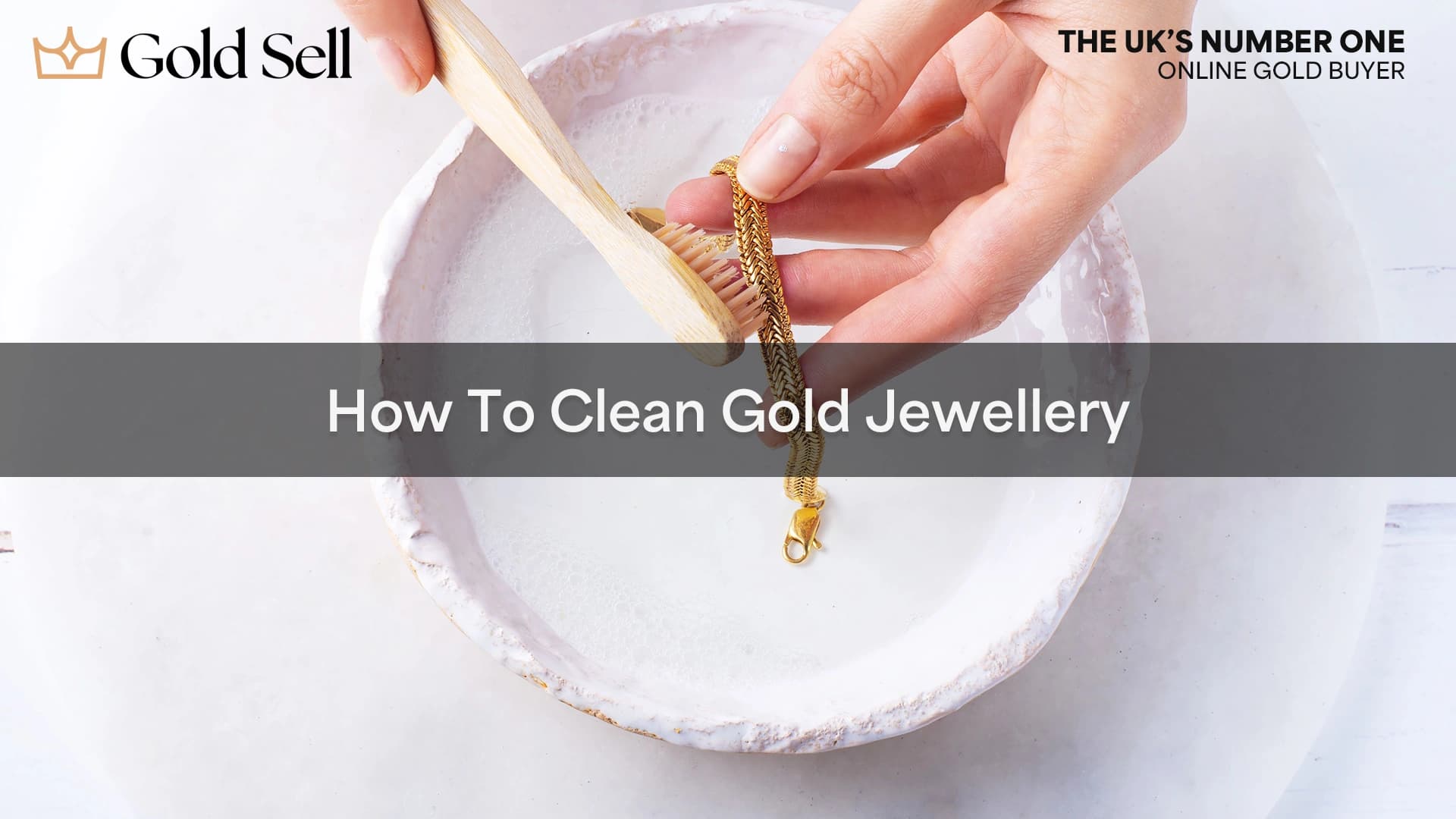
Discover easy tips on how to clean gold jewellery at home safely using simple household products. Restore shine and keep your gold jewellery sparkling!
Frequently Asked Questions
Can gold rust?
No, gold cannot rust because rust is a form of iron oxide, and gold contains no iron. What people often mistake for rust on gold is tarnish from alloy metals like copper or silver. Pure gold (24K) is chemically inert and doesn’t oxidise or corrode, making it immune to rust.
Can gold rust in water?
Gold does not rust in water because it doesn't contain iron, the element required for rust to form. Even in water, pure gold remains unchanged. However, lower-karat gold jewellery may tarnish slightly over time due to the oxidation of alloy metals like copper or silver when exposed to moisture.
Can white gold rust?
No, white gold cannot rust because it contains no iron. However, it can tarnish or appear yellowish over time as its rhodium plating wears and the alloy metals (such as nickel or copper) oxidise slightly. Replating and proper care can restore its bright white finish.
Can gold corrode?
Pure gold cannot corrode under normal conditions because it’s a noble metal and highly resistant to chemical reactions. However, gold alloys may show signs of corrosion over time due to oxidation of other metals like copper, silver, or zinc present in the mix.
Why doesn't gold rust?
Gold doesn’t rust because it’s a noble metal with no iron content, and rust requires iron reacting with oxygen and moisture. Its stable atomic structure makes gold extremely resistant to oxidation, corrosion, and chemical reactions in everyday environments, which is why it retains its shine for centuries.
Can gold rust in salt water?
Gold does not rust in salt water because it doesn’t contain iron. Even in harsh marine environments, pure gold remains untarnished. However, alloyed metals in lower-karat gold may react with salt, causing dullness or minor tarnish on the surface over time.
How to prevent gold from tarnishing?
To prevent gold from tarnishing, keep it clean, dry, and stored in an airtight container. Avoid exposing it to chemicals like chlorine, cosmetics, and sweat. Use anti-tarnish strips or silica gel in storage. High-karat gold tarnishes less, but even bullion can develop spots if stored improperly.
Can you wear 9K gold every day?
Yes, you can wear 9K gold daily as it’s durable and harder than higher-karat gold due to its higher alloy content. However, it’s also more prone to tarnishing and skin discolouration over time, especially with exposure to moisture, sweat, or chemicals. Regular cleaning and proper storage help maintain its appearance.
How to tell if gold is real?
To tell if gold is real, check for hallmarks (like “9K,” “18K,” or “750”) stamped on the piece. Real gold is non-magnetic and doesn’t tarnish like fake metals. For a definitive result, have it tested with an acid kit or electronically at a jeweller. Weight and colour consistency are also clues.
Is gold fake if it turns black?
Gold isn’t necessarily fake if it turns black. Tarnish can occur on lower-karat gold (like 9K or 14K) due to alloy metals like silver or copper reacting with sulfur or moisture. However, excessive blackening might also indicate gold-plated or counterfeit items. A hallmark check or jeweller test can confirm authenticity.
What does oxidised gold look like?
Oxidised gold usually appears dull, with dark patches or a brown, black, or reddish hue caused by tarnishing of alloy metals like copper or silver. Pure gold does not oxidise, so discolouration indicates a lower-karat piece reacting to environmental exposure or chemicals.
Can vinegar tell if gold is real?
Yes, vinegar can help test gold authenticity. Real gold won’t react to vinegar; it remains bright and unchanged. Fake or gold-plated metals may tarnish, darken, or show bubbling due to chemical reactions. However, this method isn’t foolproof—professional testing gives more reliable results without risking damage.
What causes red spots on gold?
Red spots on gold are caused by tiny traces of copper in the alloy oxidising, even in high-purity gold like 24K. These spots, often called copper spots, result from surface-level reactions and don’t affect the gold’s purity. They’re cosmetic and can often be lightened with careful cleaning.
How to clean tarnished gold jewellery?
To clean tarnished gold jewellery, soak it in warm water with mild dish soap for 10–15 minutes, then gently brush with a soft toothbrush. Rinse thoroughly and dry with a lint-free cloth. For stubborn tarnish, add a drop of ammonia to the solution. Avoid abrasive cleaners, which can damage the gold.
Interested in selling gold with the UK’s highest paying gold buyer? Visit our Sell Gold page to get a competitive valuation – we provide fully insured postage and fast payment.
For more insights and the latest gold price today, keep an eye on our live charts and blog updates.