Gold Hallmarks Explained – Identify Gold Hallmarks
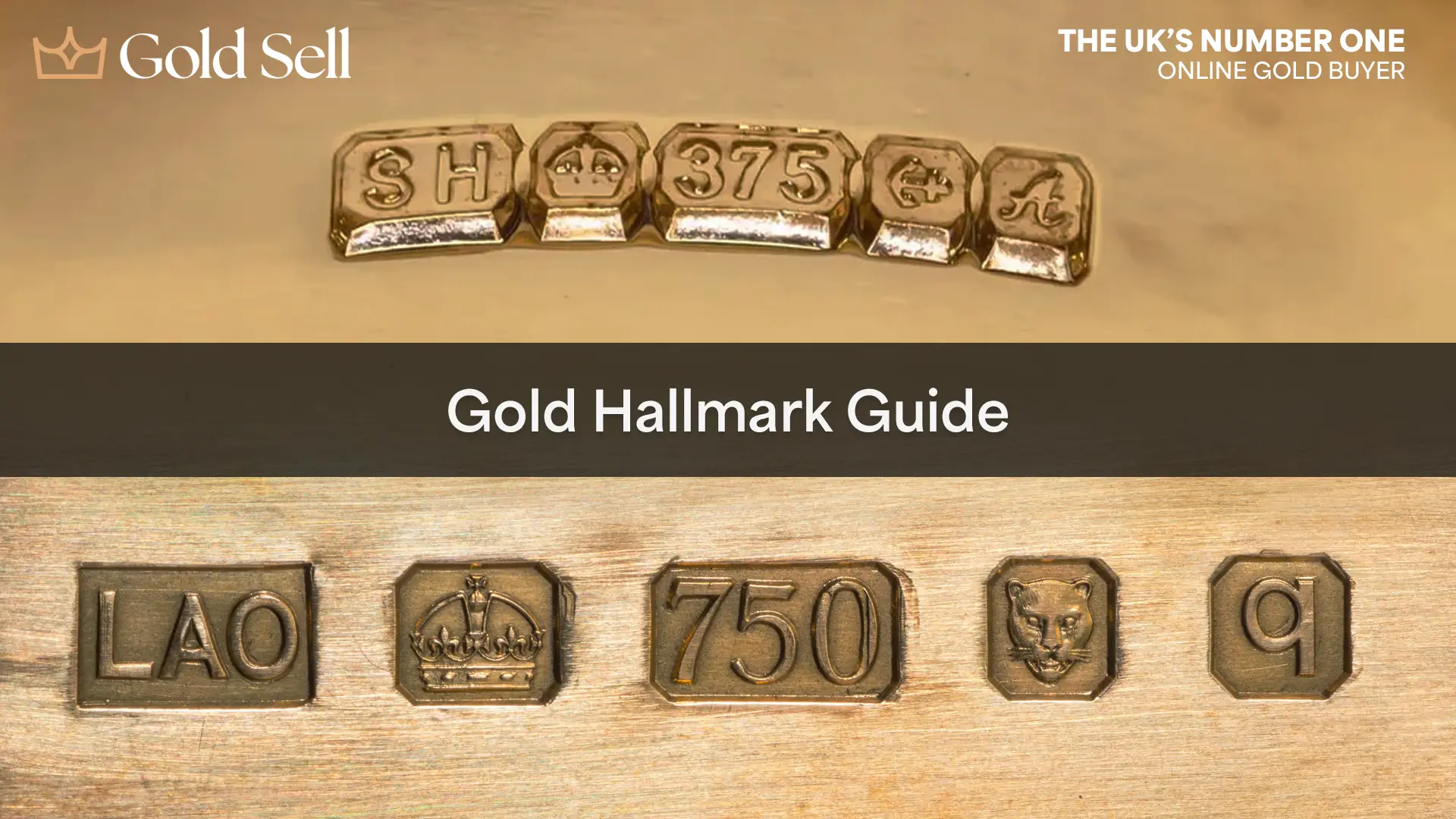
To identify gold hallmarks, look for tiny stamps that denote an item’s purity, assay office, and maker. This quick check verifies authenticity and helps you assess your jewellery’s value. For extra clarity, you can use our gold hallmark identification chart to quickly match these marks and identify gold hallmarks on your jewellery.
Key Takeaways
- What Are Hallmarks: Official stamps verifying a gold item’s purity and independent assay, ensuring it meets UK legal standards.
- Gold Purity Marks: Millesimal numbers like 375 (9 ct), 585 (14 ct), 750 (18 ct), 916 (22 ct), and 999 (24 ct) denote gold content in parts per thousand.
- Assay Office Symbols: Icons such as the leopard’s head (London), anchor (Birmingham), white rose (Sheffield), and castle turret (Edinburgh) show where the piece was tested.
- Where to Look: Hallmarks are usually stamped inside ring bands, on necklace and bracelet clasps, on coin faces, or directly on bullion bars, use a loupe or magnifying glass to spot them.
- Why It Matters: Reading hallmarks ensures you know an item’s true karat, avoids fraud, guarantees fair valuation, and confirms legal compliance when buying or selling gold.
Identify Gold Hallmarks With Our Free Gold Hallmark Identification Chart
Use our gold hallmark identification tool to identify gold hallmarks on any UK piece in seconds. Learn how to identify hallmarks on gold by stepping through the assay office, fineness, date letter and year to decode the exact UK gold hallmark, including import marks struck on overseas-made gold from 1700 to the present day.
What Are Gold Hallmarks?
Gold hallmarks are official markings on gold items that verify the metal’s purity and authenticity. In the UK, a hallmark indicates that a gold item has been independently tested and meets all legal standards for gold purity. In practice, a full hallmark on a piece of gold will typically include a fineness mark (purity in parts per thousand) and a stamp for the Assay Office that certified it. Hallmarks have served as a form of consumer protection for centuries, in fact, hallmarking of precious metals dates back to the 1200s as one of the earliest measures to protect buyers. In modern times, hallmarks give anyone buying or selling gold confidence that the item is exactly as described (e.g. truly 18-carat gold rather than a lower purity). By UK law, all gold jewellery above a minimal weight must carry hallmarks to ensure this trust.
Hallmarking isn’t unique to the UK, many countries have their own hallmarking systems, but Britain’s system is renowned for its rigour and long history. The term “hallmark” itself comes from the Goldsmiths’ Hall in London, where assayers have tested and marked gold and silver for over 700 years. In summary, a gold hallmark is your guarantee that all that glitters is truly gold, it tells you the gold’s purity, where it was tested, and even who submitted it for assay in many cases.
Gold Hallmark Identification Chart
Gold hallmarks are stamped purity marks that help you identify the carat and authenticity of your jewellery. The gold hallmark chart below shows the most common fineness stamps, such as 375 (9ct), 585 (14ct) , and 999 (24ct), and what they mean in terms of gold content. Use it to confidently identify gold hallmarks and understand the percentage of pure gold in your item.
Gold hallmarks and carat purity (UK)
| Hallmark | Purity | Gold Content |
|---|---|---|
| 375 | 9 carat | 37.5% gold (375 parts per 1000) |
| 585 | 14 carat | 58.5% gold (585 parts per 1000) |
| 750 | 18 carat | 75% gold (750 parts per 1000) |
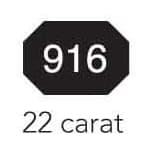
| 916 | 22 carat | 91.6% gold (916 parts per 1000) |
| 999 | 24 carat | 99.9% gold (999 parts per 1000) |
Gold Hallmark Symbols
Gold hallmarks usually appear as a series of symbols stamped in a discreet spot on the item. A standard UK hallmark has several components, including a maker’s mark, a purity mark, and an Assay Office mark. The maker’s (or sponsor’s) mark is usually a set of initials or a logo unique to the jeweller or company. The purity mark is often a number like 375, 750, or 916, this tells you the gold content in parts per thousand (e.g. 375 means the metal is 37.5% pure gold, which corresponds to 9-carat gold). The Assay Office mark is a little icon indicating which official office tested and stamped the item (for example, a leopard’s head for London or an anchor for Birmingham). Sometimes there may be additional marks such as a date letter or a special commemorative mark, but the core components are the purity and assay office symbols. Below is a list of common gold hallmark symbols you might encounter on UK gold jewellery:
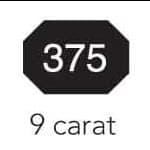
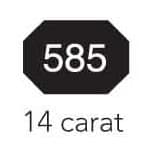
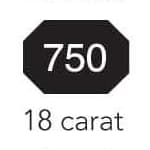





These symbols collectively tell the story of your gold piece. For example, a hallmark on a ring might read something like “AB 750 ⌘”, where “AB” is the maker’s initials, “750” tells you it’s 18ct gold, and the “⌘” (castle) symbol shows it was assayed in Edinburgh. Being familiar with gold hallmark symbols can help you quickly decode an item’s purity and origin. For an official reference, the Assay Offices publish guides to the permitted hallmark stamps (e.g., gold fineness must be one of the standard numbers like 375, 585, 750, etc.
How To Identify Gold Hallmarks
Why is it important to identify gold hallmarks? Simply put, hallmarks are the key to verifying your gold’s authenticity and value. If you’ve ever inherited a piece of jewellery or picked up a gold coin, you’ll want to know: is it real gold, and what karat or purity is it? Hallmarks answer these questions. It’s nearly impossible to determine a gold item’s purity just by sight or touch, a 9ct gold ring and an 18ct gold ring can look identical to the naked eye. By locating and reading the hallmarks, you can confirm if an item is, say, 22-karat (high purity) or just gold-plated base metal. This is crucial for buyers and sellers alike: a hallmark provides proof of gold content so you can accurately value the item. For example, when selling scrap gold or old jewellery, you need to know its carat (purity) to get a proper price quote; the hallmark stamped on the item reveals whether it’s 9ct, 14ct, 18ct, etc., enabling a fair valuation.
Hallmarks also protect consumers from fraud. In the UK it’s actually illegal to sell gold jewellery above a certain weight without an appropriate hallmark. That means if you have a gold necklace heavier than 1 gram, it must bear a hallmark (from a UK or equivalent international assay office) to be sold as “gold” – otherwise, the seller is breaking the law. Identifying the hallmark on your jewellery can thus help you verify that the piece complies with these regulations and is not misrepresented. And if an item has no markings at all and is above the exemption weight, that’s a red flag about its authenticity.
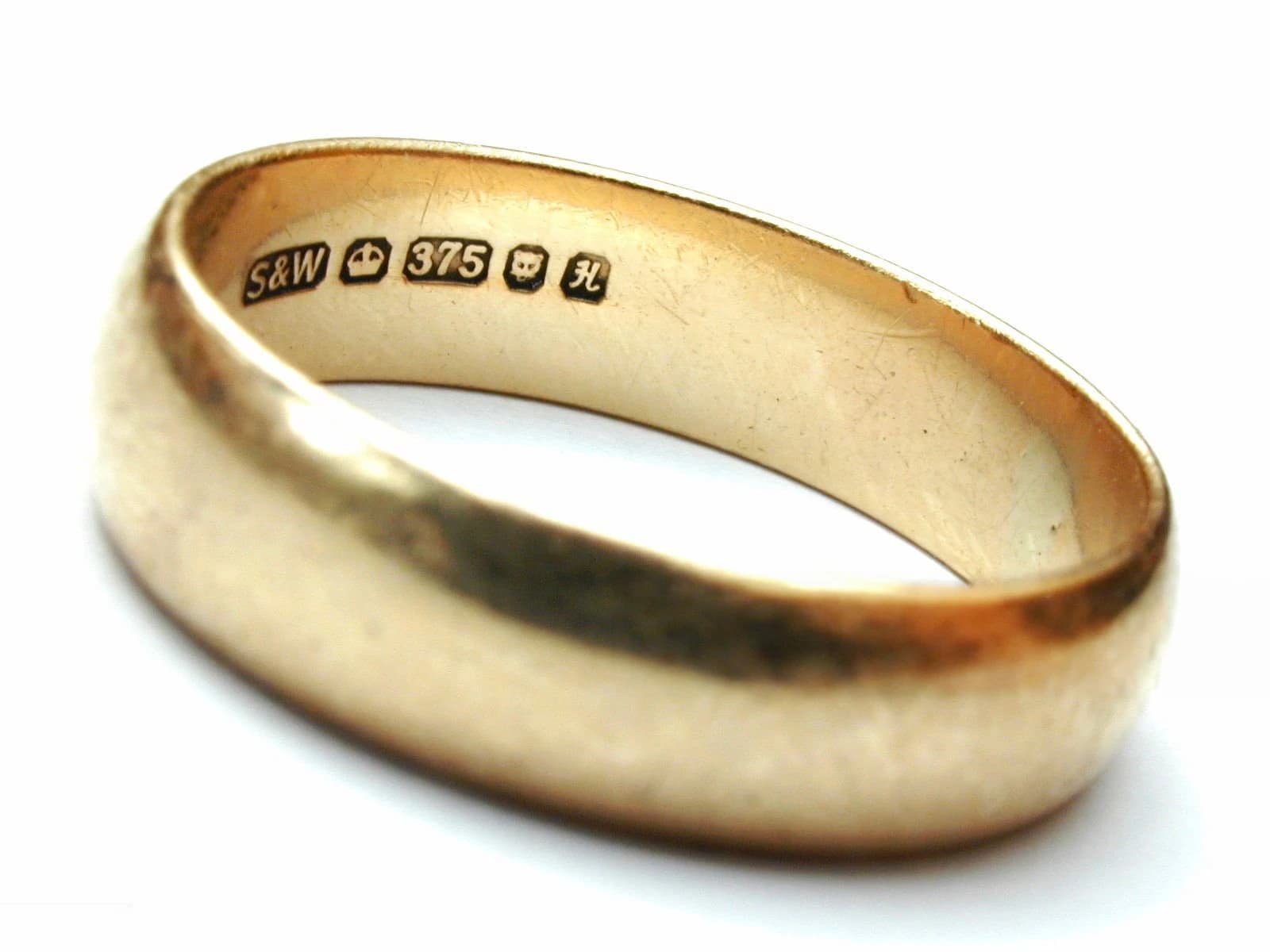
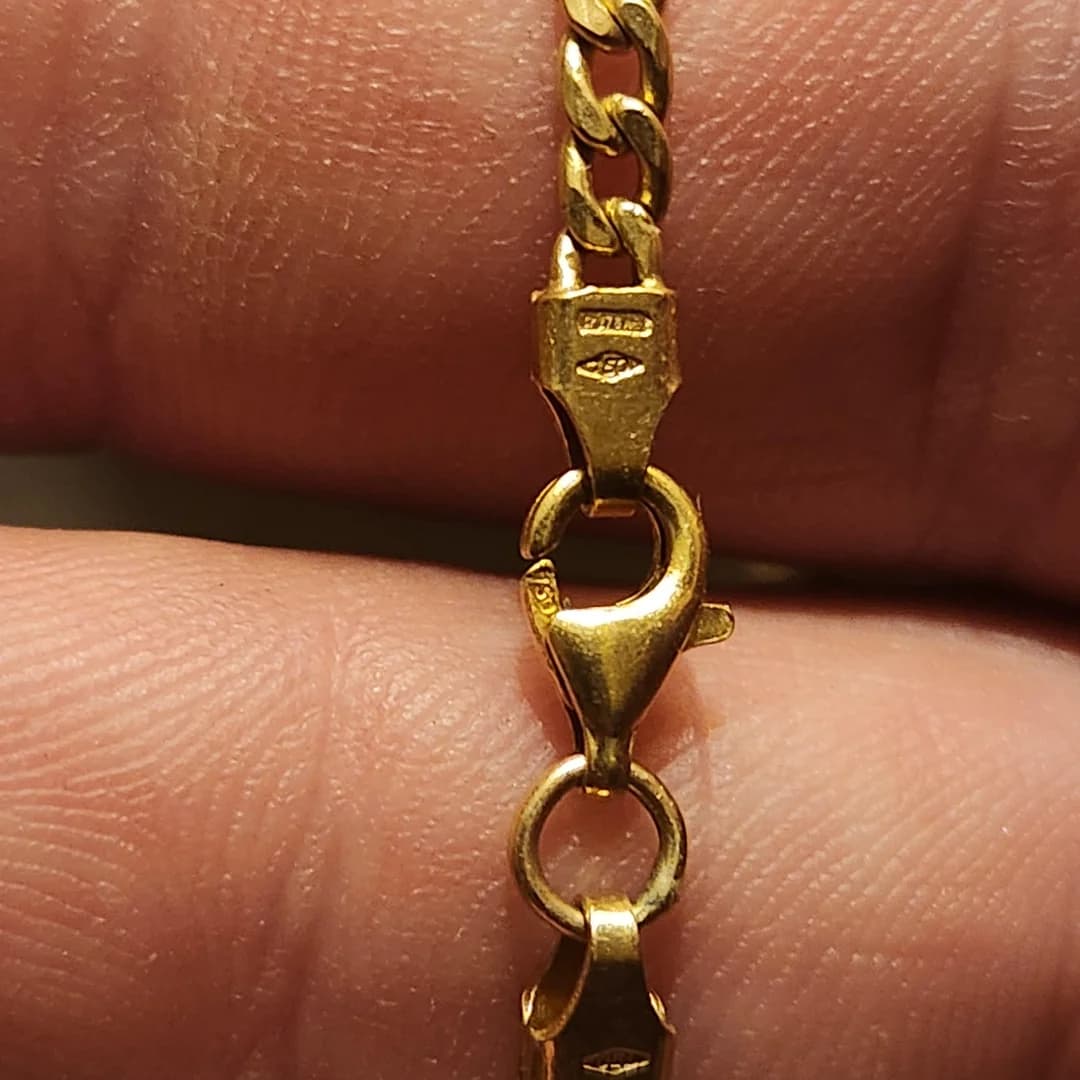
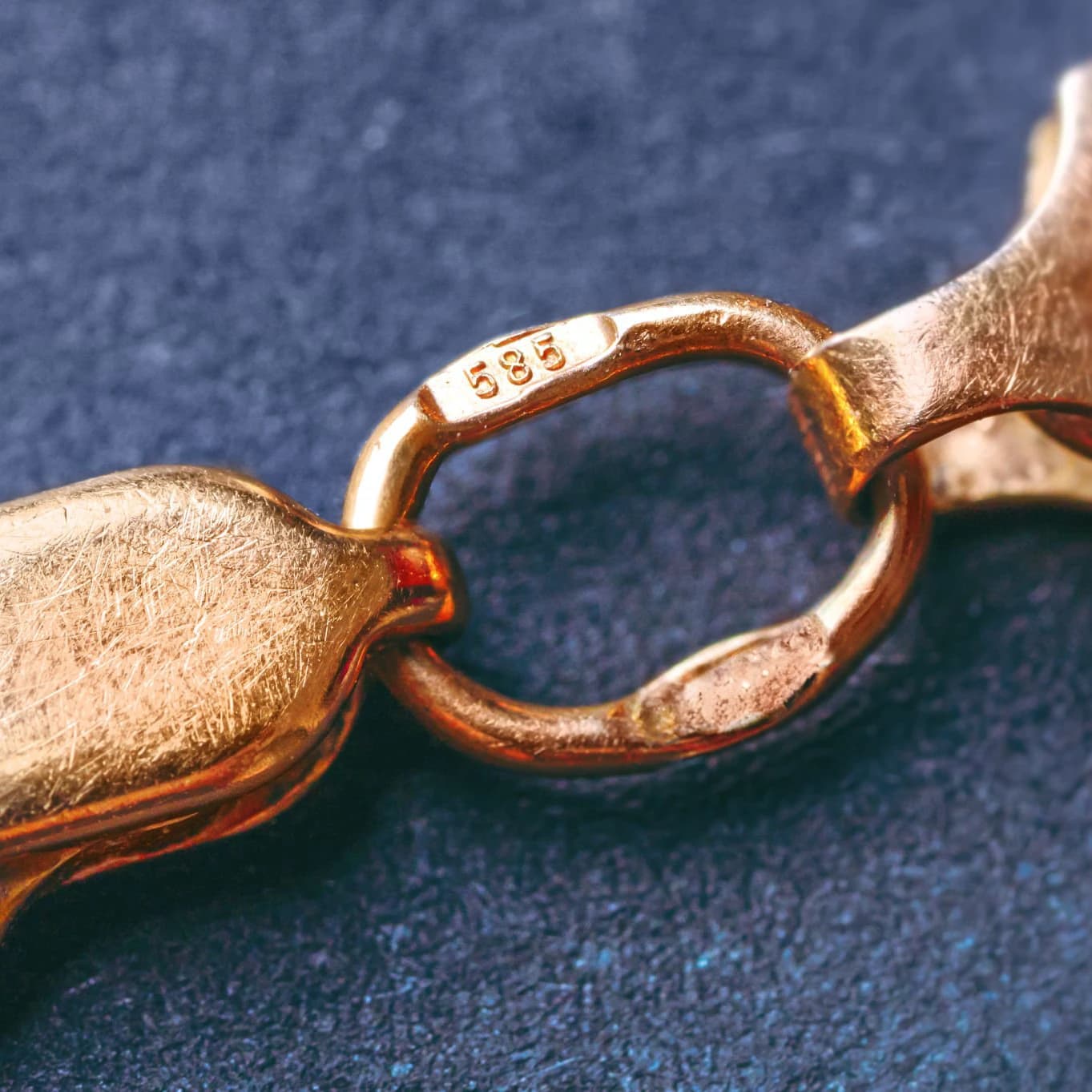
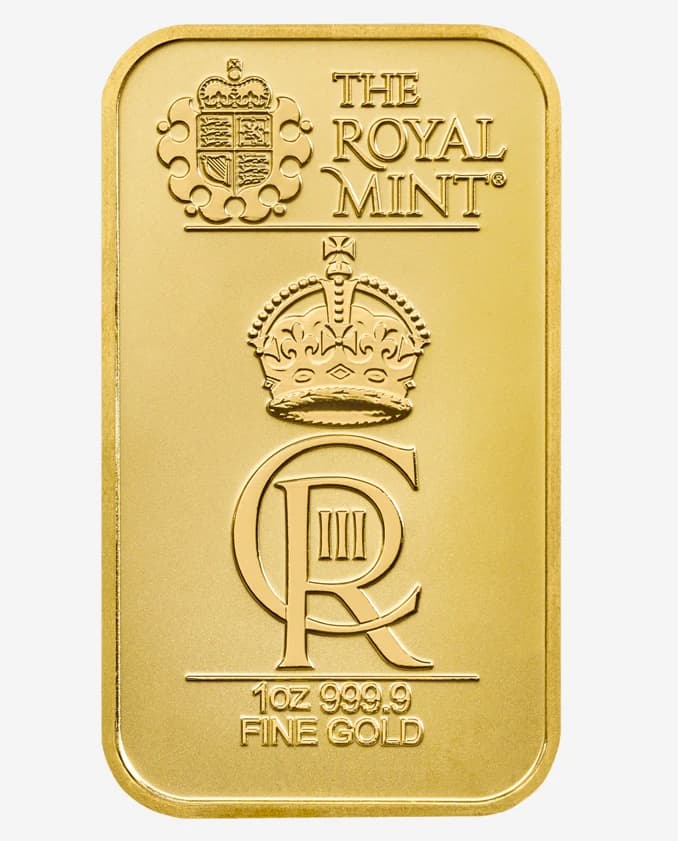
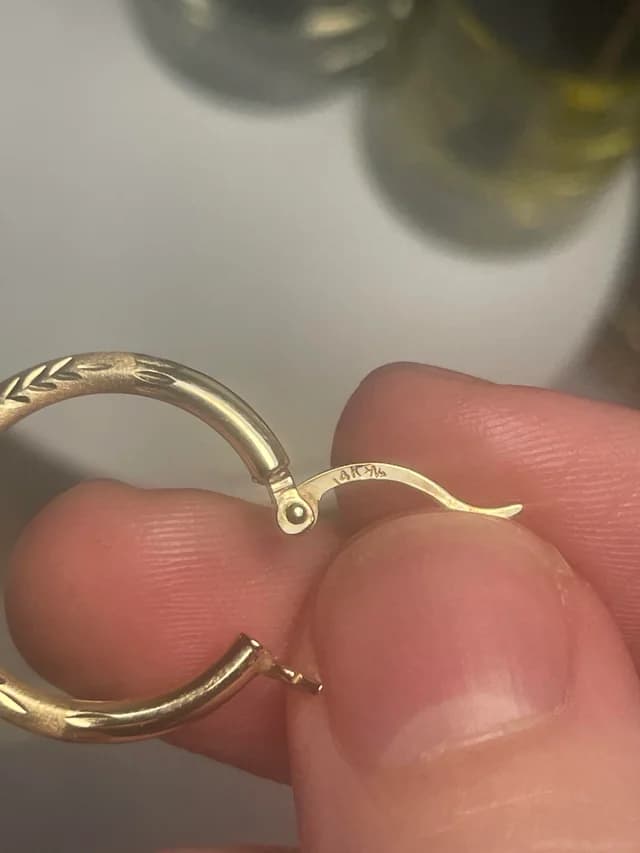
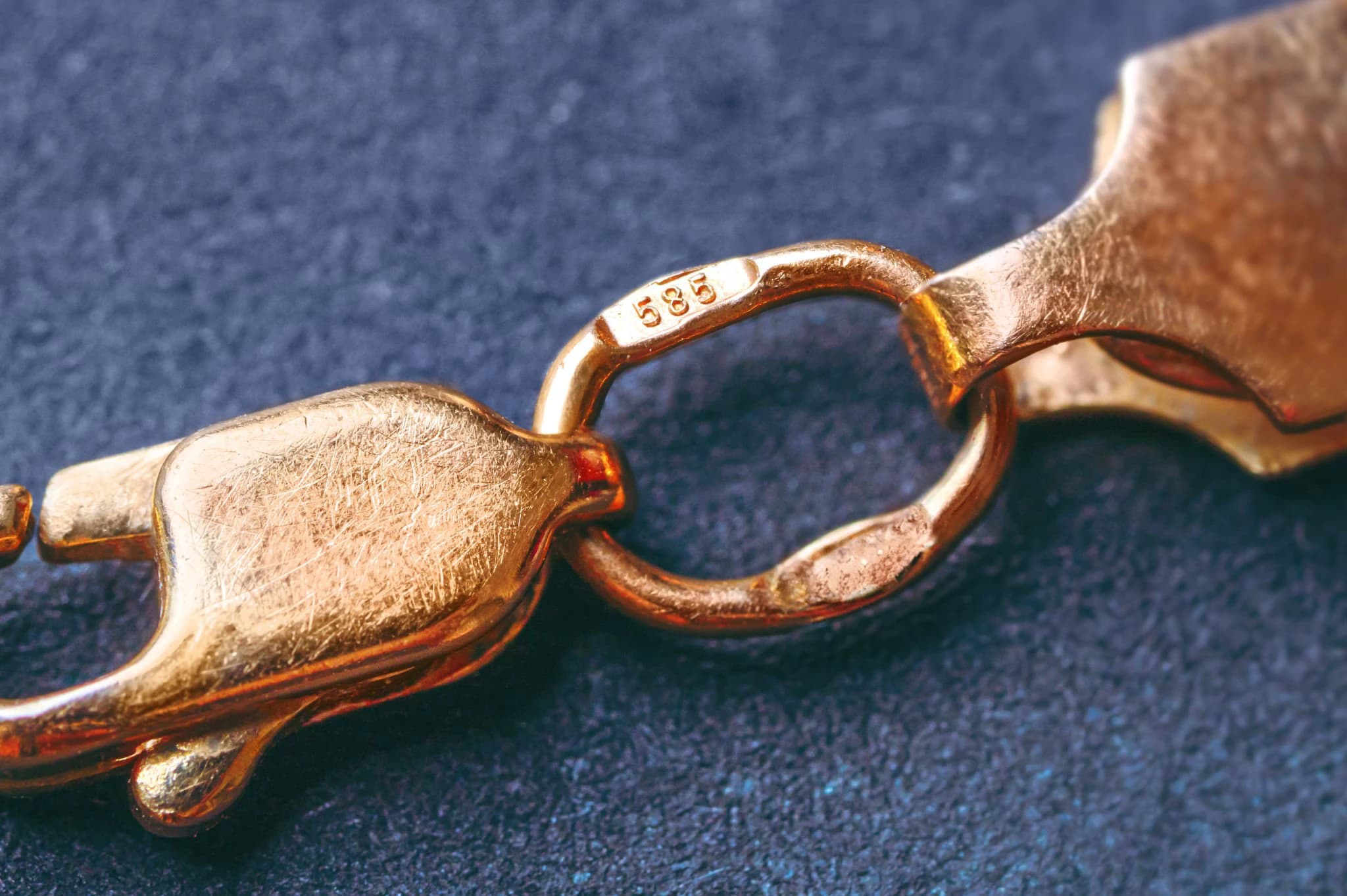
So, how do you identify gold hallmarks on different items? The first step is knowing where to look. Gold hallmarks on jewellery are usually placed in inconspicuous spots that don’t detract from the piece’s appearance. Gold hallmarks on rings are typically stamped on the inside of the band (inner ring shank). Gold hallmarks on necklaces and bracelets are often found on or near the clasp – commonly on a small flat tag or on the clasp itself. Even gold collectibles like coins or bars have purity markings, though these may not be full hallmarks in the UK sense. For instance, gold hallmarks on coins might appear as a three-digit purity number on the coin’s face (for example, 999 on a fine gold bullion coin), but coins that are legal tender usually don’t require assay office hallmarks. Essentially, any legitimate gold item will have some indicator of its gold content, and knowing where that stamp is hiding is half the battle in identification.
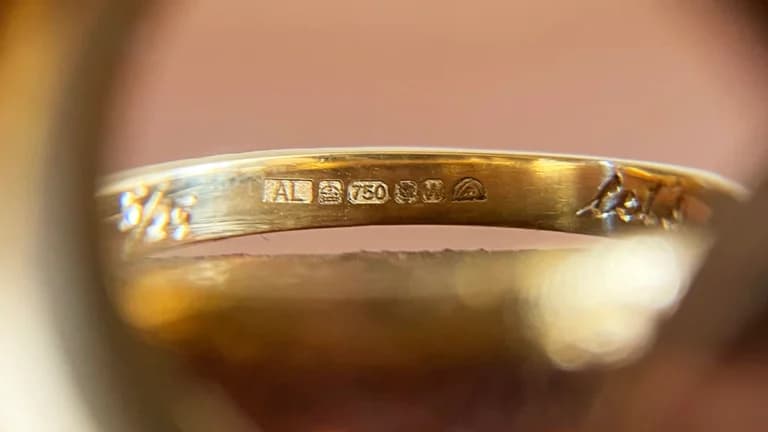
(This magnified view highlights the ring’s maker’s initials, the 750 fineness mark, and the official assay office symbol, three critical gold hallmark symbols that confirm the piece’s authenticity and purity)
Where To Find Gold Markings (Hallmarks) On Gold Jewellery, Bars & Coins
To make things easier, here’s a Gold Hallmark Identification Chart summarising the typical locations you would expect to find gold markings (hallmark) on different gold items.
When inspecting your gold item, remember that hallmarks can be very small. It helps to use a magnifying glass or a jeweller’s loupe to make out the details of your gold markings. If an item is old or worn, the marks may be faint, a gentle cleaning can help, but be careful not to damage the piece. Once you find the marks, you can match the symbols to known hallmark charts (like our gold hallmark identification chart above) to decode their meaning. Our chart above covers the basics for gold hallmark identification, but for very old or foreign pieces, you may encounter different symbols (for example, pictorial hallmarks or letters). In such cases, resources like the Assay Office databases or contacting an expert can help identify unusual hallmarks.


Foreign Gold Hallmarks
Gold hallmarking standards can vary significantly around the world. Different countries often use different symbols or conventions to mark gold purity, which can confuse jewellery owners. For instance, you might have a ring from the United States marked “14K”, whereas a similar ring made for the European market might be stamped “585”, both indicate 14-karat gold (58.5% pure), but the marking style is different. In the UK and much of Europe, the millesimal fineness system (numbers like 750, 585, etc.) is commonly used on hallmarks. In the US, gold jewellery is often just stamped with the karat value (K) and usually accompanied by a manufacturer’s trademark (by law, if a purity mark is present, there must be a registered maker’s mark next to it. Many other countries follow their own hallmarking regimes: for example, in India hallmarking has been traditionally optional but is now becoming mandatory, and hallmarks include the BIS logo and a purity number; in France, older gold pieces might bear an eagle’s head symbol for 18k gold; in Italy, you might see “750” along with a star and number identifying the maker.
Despite these differences, the actual purity numbers are often consistent worldwide. Here’s a quick comparison of common gold purity markings in karats vs. the numeric foreign gold hallmarks you might see:
Foreign Gold Hallmark Chart


As you can see, 585 vs 14K, 750 vs 18K, etc., are just two ways of saying the same thing when it comes to gold purity. The UK and other countries that are part of the International Hallmarking Convention will honour each other’s hallmarks to some extent, for example, a ring hallmarked “750” with a recognised foreign assay office stamp is accepted as 18k gold in the UK. This is thanks to treaties like the Vienna Convention that introduced the Common Control Mark (CCM) for precious metals, allowing cross-border recognition of hallmarks. The CCM itself is a small balance scales symbol that might appear alongside national hallmarks on items meant for international trade.
When dealing with foreign gold hallmarks, it helps to familiarise yourself with the numbering system. A quick tip: divide the millesimal number by 10 to get the approximate percentage of gold. For instance, “750” means ~75.0% gold, “833” would mean 83.3% (20 karat in some Middle Eastern marks), “417” means 41.7% (10 karat), and so on. Also, be aware that some countries have unique symbols: Russian gold jewellery may have a star and hammer & sickle mark (Soviet era) or a profile of a woman’s head (post-Soviet), along with numbers like 583 or 585 for 14k. French jewellery often uses the eagle head for 18k (or a shell mark for 14k). Foreign gold hallmarks might not spell out the purity in English, but the numbers are universal. If you’re unsure, resources like the World Gold Council or a local jewellers’ association often provide charts for international hallmark stamps.
Conclusion
Gold hallmarks may be small and sometimes overlooked, but they are incredibly important. They tell the story of your gold, its purity, its origin, and its authenticity, in just a few tiny symbols. By understanding how to read these marks, you empower yourself as a gold owner, buyer, or seller. We hope this guide has demystified the basics of hallmarks, from the meaning of common symbols to how to locate and identify them on various items. Remember that our gold hallmark identification chart is a handy reference if you need to quickly look up what a number or symbol means on your jewellery.
In short, always check for a hallmark on your gold rings, necklaces, coins, and other jewellery. It’s your guarantee of what you’ve got. If you’re ever unsure about a gold hallmark or need help verifying a piece’s purity, you can reach out to experts or authoritative resources – for UK hallmarks, the Assay Offices and the British Hallmarking Council are great sources of information. And of course, if you have gold items that you’d like to sell, feel free to head to our homepage and navigate the gold items we buy. With the knowledge of hallmarks in hand, you can proceed with confidence whether you’re buying, selling, or simply admiring a piece of gold.
Frequently Asked Questions
What are gold hallmarks?
Gold hallmarks are official stamps that verify the purity of a gold item and confirm it has been independently tested by a recognised Assay Office. They typically include a fineness mark (e.g., 375 for 9ct gold), a sponsor’s mark, and an assay office symbol (e.g., anchor for Birmingham).
What are the most common gold hallmarks in the UK?
The most common UK gold hallmarks are the fineness marks 375, 585, 750, 916 and 999. These appear with a maker’s mark and an assay office symbol such as the leopard’s head for London, the anchor for Birmingham, the rose for Sheffield and the castle for Edinburgh. Together they confirm the item’s purity, authenticity and where it was tested.
What are the hallmarks for white gold?
White gold hallmarks follow the same standard as yellow gold (e.g., 375, 585, 750), but the item is usually plated with rhodium for its white finish. The hallmark still indicates gold purity, so a 750 white gold piece will bear the same “750” stamp as 18ct yellow gold.
How to read gold hallmarks?
Look for the fineness number (e.g., 375, 585, 750) to identify the purity of the gold, then check for an assay office symbol (like a leopard’s head for London) and a sponsor or maker’s mark. Each component of the hallmark tells you who made or submitted the item, its gold purity, and where it was assayed.
How to check hallmark on gold?
Examine discreet areas such as the inside of ring bands, clasps on necklaces or bracelets, or the back of pendants. Use a magnifying glass or jeweller’s loupe if needed; once located, match the numbers and symbols to a hallmark identification chart or consult an official Assay Office website.
When did gold hallmarks start in the UK?
Gold hallmarking in the UK began in the medieval period, with some records dating back to the 1300s. The practice was established to protect consumers by ensuring that gold items met the stated purity standards.
Does gold always have a hallmark?
In the UK, any gold item above the legal exemption weight (e.g., over 1 gram for certain pieces) must bear a hallmark. Very small or vintage items might be exempt, but most legitimate gold jewellery will have at least a fineness mark and sponsor’s stamp.
What are gold markings?
Gold markings are the stamped symbols that show the purity, origin and authenticity of a gold item. They usually include a fineness number such as 375 or 750, a maker’s mark, and sometimes an assay office emblem. These markings help identify exactly what the item contains and whether it meets legal standards for gold purity.
What are gold assay marks?
Gold assay marks are symbols that confirm an item has been independently tested for purity. UK examples include the fineness number such as 375, 585 or 750 and the official assay office marks such as a leopard’s head for London or a rose for Sheffield. These marks certify the gold meets strict legal standards for authenticity.
What are the British assay marks for gold?
The four main British Assay Offices each have a unique symbol:
- Leopard’s head: for London
- Anchor: for Birmingham
- Yorkshire rose: for Sheffield
- Castle: for Edinburgh
These symbols, alongside the purity mark, confirm that the gold has been officially tested and hallmarked.
What does 375 hallmark mean?
A “375” stamp on gold indicates 9 carat purity, which is 37.5% pure gold. It’s the minimum legal standard for gold jewellery in the UK and often seen on more affordable pieces.
What does 585 hallmark mean?
A 585 hallmark means the gold is 14 karat, or 58.5% pure. It’s a common standard for gold jewellery in Europe and the United States. The number 585 refers to the millesimal fineness of the gold (585 parts gold per 1,000).
What does 750 hallmark mean?
A 750 hallmark indicates 18 karat gold, which is 75% pure gold. It’s a standard purity mark for fine gold jewellery and is widely used in the UK and internationally.
What does 916 hallmark mean?
A 916 hallmark means the item is 22 karat gold, with 91.6% gold content. This high-purity gold is commonly used in Indian, Asian, and Middle Eastern jewellery and is ideal for sovereigns, bangles, and other traditional gold pieces.
What does 999 hallmark mean?
A 999 hallmark indicates 24 karat gold, or 99.9% purity. It’s the highest purity level for gold and is typically seen on gold bullion bars or coins rather than jewellery, due to its softness.
What does a leopards head hallmark mean on gold?
A leopard's head hallmark on gold signifies that the item was assayed in London by the London Assay Office. It’s a traditional UK assay office symbol used alongside purity and sponsor marks.
What does an anchor hallmark mean on gold?
An anchor hallmark on gold shows that the piece was hallmarked in Birmingham. It’s the official assay office mark for the Birmingham Assay Office, often seen on UK gold jewellery.
What does a rose hallmark mean on gold?
A rose hallmark, or Yorkshire Rose, represents the Sheffield Assay Office. It’s used to show the gold item was tested and hallmarked in Sheffield, one of the UK’s official assay centres.
What are rare antique gold hallmarks?
Rare antique gold hallmarks are historic or discontinued symbols often found on older jewellery. Examples include the pre-1820 crowned leopard’s head for London, Chester’s wheat sheaves, early French rooster-head marks and signatures from the former Austro-Hungarian empire. These distinctive marks help identify the age, origin and provenance of antique gold pieces.
What does a castle hallmark mean on gold?
A castle hallmark on gold identifies that the item was hallmarked in Edinburgh. The castle turret symbol is the assay office mark for the Edinburgh Assay Office in Scotland.
What are foreign gold hallmarks?
Foreign gold hallmarks are purity and maker stamps used outside the UK and often seen on imported jewellery. Common examples include Italy’s 750 or 585 with a regional registration code, France’s eagle head for 18ct, Switzerland’s 750 or 999 marks, India’s BIS hallmark containing the BIS logo, and American markings such as 10K, 14K or 18K.
What are the Italian gold hallmarks?
Italian gold hallmarks typically show the purity number such as 750 or 585 followed by a unique maker’s registration code. This code often includes a number and a regional abbreviation like AL, VI or FI. Italy’s hallmarking system is well regulated, so these marks reliably identify both the gold’s purity and the manufacturer.
What is the hallmark for Swiss gold?
Swiss gold is usually stamped with the purity mark such as 750, 900 or 999, often combined with a small manufacturer’s symbol. Switzerland does not use a centralised assay office system like the UK but is known for strict quality control, particularly in jewellery and bullion. These marks provide trusted evidence of purity and production origin.
Interested in selling gold with the UK’s highest paying gold buyer? Visit our Sell Gold page to get a competitive valuation – we provide fully insured postage and fast payment.
For more insights and the latest gold price today, keep an eye on our live charts and blog updates.