How Is Gold Mined?
Gold is mined through a multi-stage process that includes exploration, development, extraction, processing, and site rehabilitation. Modern mining methods such as open-pit and underground mining are employed to access and extract gold-bearing ore efficiently and responsibly.
Key Takeaways
- Exploration & Discovery: Geologists identify potential gold deposits using surveys, geochemical analysis, and drilling. Only a small fraction of explored sites become operational mines.
- Mine Development & Permitting: Upon confirming a viable deposit, companies design the mine, secure necessary permits, obtain financing, and build infrastructure, a process that can take several years.
- Mining Operations: Active mining involves extracting gold-bearing ore using methods like open-pit or underground mining. The ore is processed on-site to produce doré bars, which are semi-pure gold alloys.
- Processing & Refining: The extracted ore undergoes crushing and grinding, followed by chemical treatments such as cyanidation to separate gold from other materials, resulting in high-purity gold.
- Mine Closure & Rehabilitation: Once mining concludes, companies are responsible for decommissioning the site, which includes dismantling infrastructure, sealing mine shafts, and restoring the environment.
People often imagine miners in hard hats working deep underground when thinking of how gold is mined, but extracting gold is actually a long, complex process. Before any glittering gold bars can be produced, mining companies must find the gold, develop a mine, extract and process the ore, and finally rehabilitate the site. In this post, we’ll walk through the full gold mining process – from exploration to refining – in a conversational, easy-to-understand way. We’ll also explore modern gold mining methods, where gold is found (globally and in the UK), and answer common FAQs for UK readers interested in gold mining and selling.
Let’s dig in (pun intended)!
How Gold Is Mined
Gold mining isn’t just digging with a pickaxe – it’s a multi-year process. In fact, it can take 10–20 years from discovering a gold deposit to mining actual gold. Below are the key stages in the gold mining life cycle (from initial idea to a closed mine):
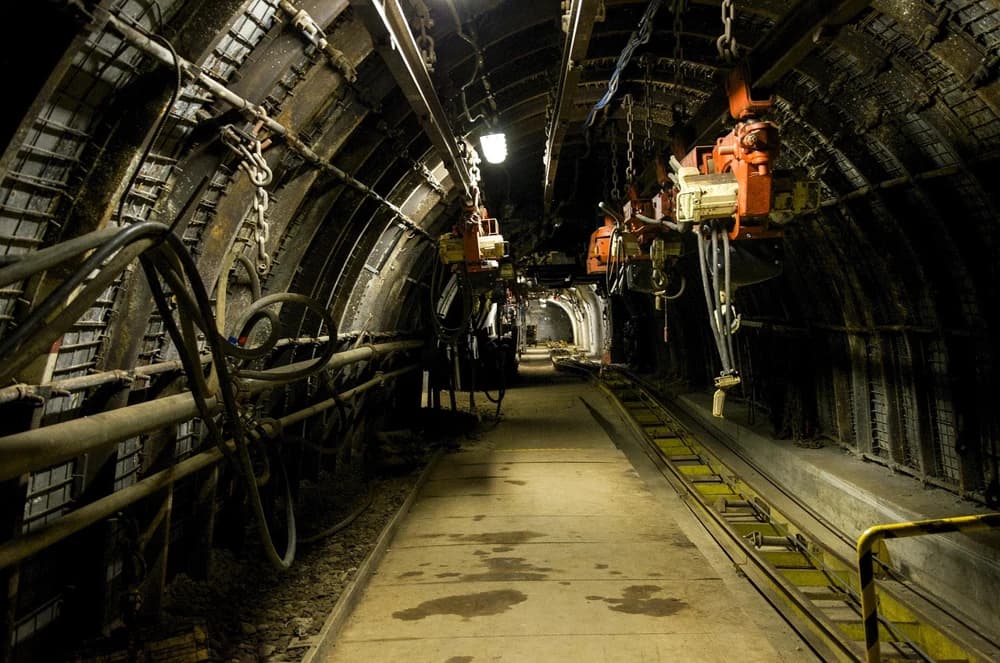
(An underground gold mine)
- Exploration & Discovery: Geologists search for gold deposits through surveys, geochemical analysis, and drilling test holes. This stage can take years. It’s high-risk – fewer than 0.1% of prospected sites ever become a mine. Companies need to confirm there’s enough gold to mine profitably. Once a promising deposit is identified, they map out the gold ore body in detail and assess feasibility.
- Mine Development & Permitting: If exploration finds a viable deposit, the next step is planning and building the mine. This involves designing the mine, obtaining permits and licenses, securing financing, and constructing infrastructure (access roads, power supply, worker facilities, etc.). Development usually takes 1–5 years, including environmental and regulatory approvals. For example, mining companies must submit plans to ensure operations will be safe and environmentally responsible before digging starts.
- Mining Operations (Production): This is the active gold mining phase, typically lasting 10–30 years depending on the size of the deposit. During operations, miners extract gold-bearing ore from the ground. The ore is then processed on site to separate gold from the surrounding rock. Processing often yields a semi-pure alloy called doré (60–90% gold) which is later refined to pure gold. Throughout this phase, mine plans are continually adjusted based on gold prices and new geological data. Higher gold prices might justify mining lower-grade ore, whereas if prices drop, the focus shifts to only the richest portions of the deposit. Notably, modern mines employ advanced technology (like automation, digital monitoring, and electric equipment) to improve efficiency and reduce environmental impact.
- Mine Closure & Decommissioning: When the gold ore is mostly exhausted (or if it becomes unprofitable to continue), the mine is closed. Infrastructure and equipment are dismantled, and the site is decommissioned over a period of 1–5 years. This includes sealing off mine shafts or open pits, removing buildings, and disposing of or treating any hazardous materials. Importantly, companies can’t just walk away – they are usually required by law to have a closure plan (and funds set aside for it) before mining even begins.
- Reclamation & Post-Closure Care: After closure, the mining company must restore the land as close as possible to its natural state or an agreed-upon new use. This reclamation stage involves rehabilitating soil and vegetation, preventing acid mine drainage, and monitoring environmental conditions for years. Gold miners remain responsible for a closed mine site for 5–10+ years post-closure, ensuring the area is stable and safe. The goal is to leave behind land that can sustain wildlife, vegetation, or other uses for local communities (sometimes former mine sites become parks or reserves).
In summary, “how gold is mined” spans a full lifecycle: find the gold → build the mine → extract the gold → close and restore the site. It’s a lengthy, capital-intensive journey with careful planning at each step to ensure it’s done safely and sustainably.
Gold Mining Process: Methods & Technology
The gold mining process has evolved a lot from the old days of lone prospectors panning in rivers. Today, gold mining is usually an industrial-scale operation using advanced methods and machines. In this section, we’ll break down modern gold mining methods and how they differ from older techniques. We’ll also compare placer vs. hard rock mining, and highlight the technology and equipment used to mine and process gold.
Historical vs. Modern Mining
Historically, gold was mostly mined from alluvial deposits – i.e. gold that had eroded from rock and accumulated in stream beds. Early miners used simple, manual techniques to separate gold from sand and gravel. Gold panning is a classic example: scooping dirt into a pan and washing it with water so the dense gold particles settle to the bottom. Other 19th-century methods included sluicing (using flowing water and riffle boxes to trap gold) and dredging riverbeds. These techniques were labor-intensive but effective for finding gold in loose sediment.
Over time, easily accessible gold in streams became scarcer, and miners turned to gold locked in solid rock (known as hard rock or lode gold). This led to more complex methods. By the 20th century, large-scale mining using drills, blasting explosives, and heavy machinery became the norm. As one source summarises:
“Historically, mining gold from alluvial deposits used manual processes like panning. The expansion to ores not at the surface led to more complex methods such as pit mining and gold cyanidation”.
In essence, modern gold mining methods are more mechanised and chemically intensive. Instead of relying on gravity alone (like panning), miners now often crush ore and use chemical processes to extract gold (for example, using cyanide solution to leach gold from crushed rock). The trade-off is higher efficiency in extracting gold from low-grade ore, at the cost of requiring sophisticated engineering and environmental management.
Key differences between historical and modern gold mining:
- Scale: Old-time prospectors worked with pans or small sluices. Modern mines are giant operations moving millions of tonnes of rock. For instance, a single modern mine can produce hundreds of thousands of ounces of gold per year, whereas a 19th-century prospector might have been happy with a few ounces from a season of panning.
- Methods: Placer mining (panning, sluicing, dredging) vs. hard rock mining (open-pit or underground excavation of ore). We’ll explain these in the next section.
- Technology: Hand tools vs. heavy machinery and high-tech systems. Today’s miners use powerful drills, explosives, earth movers, haul trucks, and complex processing plants. They also use tech like geological modelling software, sensors, and automation to optimise extraction.
- Environmental controls: Older mining often had little regulation, sometimes leading to mercury or cyanide pollution and damaged landscapes. Modern operations are typically subject to strict environmental standards (water treatment, land reclamation plans, etc.) as part of their permits. Mines are “designed for closure” from the start, meaning companies plan how to clean up even before mining begins.
Modern Gold Mining Methods: Open-Pit and Underground
When it comes to how gold is mined today, there are two main methods of gold mining for hard rock gold: open-pit mining and underground mining. The choice of method depends on how deep the gold deposit is and the shape/concentration of the gold within the rock.
- Open-Pit Mining: This is used for surface or near-surface gold deposits. Engineers design a large pit or quarry, with terraced sides (called “benches”) that miners can walk and drive on. Massive electric or diesel-powered shovels excavate the ore and load it into huge trucks. Open pits can be very large – some are hundreds of meters deep and wide. An example is the Muruntau gold mine in Uzbekistan, one of the world’s largest open pits. Open-pit mining is efficient for low-grade ore that is widely disseminated near the surface. It does, however, disturb a large area of land. Topsoil and waste rock (“overburden”) must be removed to access the gold-bearing ore beneath. This method generates a lot of rock waste, which is piled in dumps. Mines mitigate environmental impact by managing runoff and rehabilitating these dumps later.
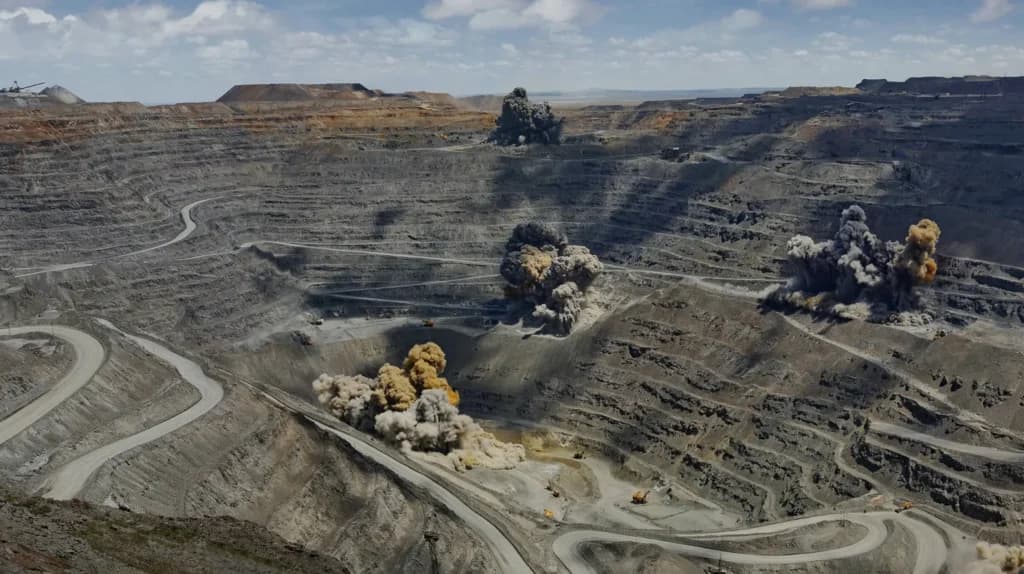
(Muruntau gold mine in Uzbekistan. One of the World’s largest open pit gold mines)
- Underground Mining: This method is used when gold is buried deep below ground or concentrated in narrow veins that are not economical to mine via open pit. Miners dig shafts down to the gold-bearing rock and create tunnels (drifts) to follow the ore zones. Elevators (lifts) or ramps bring miners, machinery, and ore in and out. Underground mining is more labor-intensive and costly per ton of ore, so it’s usually reserved for rich or deep deposits. South Africa’s gold mines are famous examples – they are extremely deep underground (the Mponeng mine goes about 4 km down, making it the deepest mine on Earth. Conditions deep underground are hot and pressurised, requiring cooling systems and robust safety measures. Despite the challenges, underground methods allow access to gold that would be impractical to reach with a massive pit. Modern underground mines use drilling rigs, explosives, and mechanical loaders called LHDs (Load-Haul-Dump machines) to extract and transport ore within the mine.
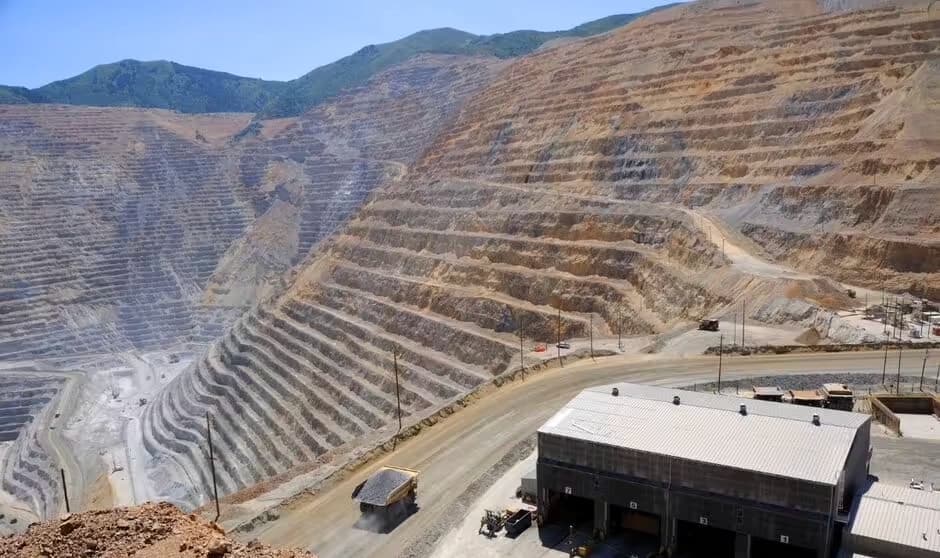
(Mponeng gold mine in South Africa, the World’s deepest gold mine)
Open-pit vs. Underground: Open pits are like big canyons on the surface, whereas underground mines are like an invisible web of tunnels below ground. Open-pit mining typically has a larger footprint on the surface but is generally safer (no risk of tunnel collapse in the pit itself, though slope stability is managed). Underground mining disturbs less surface area but comes with unique risks (like rockfalls or ventilation for gas) and higher operating costs. Often, a gold deposit might start as an open pit and later transition to an underground mine below a certain depth, as was the case with some Australian and Canadian gold mines.
It’s worth noting that placer mining (the method of extracting gold from stream sediments) still exists today, mainly done by small-scale miners or hobbyists, and in some commercial operations where alluvial gold is abundant. Placer mining is usually surface-based (panning, sluicing, or using dredges in rivers). However, the vast majority of the world’s gold today comes from hard rock mines (open-pit or underground), not from panning rivers. In the 2020s, about 3,000 tonnes of gold are mined per year globally – virtually all by industrial mining operations.
Placer Gold vs. Hard Rock Gold
You’ll often hear the terms placer gold and hard rock gold. What’s the difference? In simple terms:
- Placer Gold: is gold that has been eroded from its original rock and deposited in a secondary location, like a riverbed, stream, or beach. Gold is very dense, so as rocks weather and crumble, gold particles wash downhill and settle in gravel and sand (because water flow can’t easily carry the heavy gold flakes or nuggets). Placer gold is often found as flakes, grains, or nuggets that can be separated from surrounding sediment by washing and gravity. Finding placer gold doesn’t require breaking solid rock – it’s “free” in alluvial material. Historically, many gold rushes (e.g. the California Gold Rush, Klondike in Yukon) began with placer gold finds. Miners could literally pick gold nuggets from creeks, or use pans and sluices to recover it. Placer mining is generally the first type of gold mining that humans did, since it’s accessible with simple tools.
- Hard Rock Gold: (Lode gold) refers to gold still locked in its original host rock. This could be veins of quartz containing tiny specks of gold, or disseminated particles in certain types of rocks. To extract gold from hard rock, miners must tunnel or blast into the earth, remove the gold-bearing rock, and process it. It’s more complex than placer mining because you can’t see the gold until the rock is processed – and you have to deal with all the waste rock. However, most of the world’s gold comes from hard rock sources. As easily-won placer deposits got depleted, mining companies invested in techniques to mine hard rock and chemically extract gold from it (even when it’s present in very low concentrations).
In summary, placer gold is easier to get but limited in volume (you’re constrained to where nature deposited it), while hard rock gold requires mining the source rock itself, which is more intensive but yields much larger quantities from a single site. Many modern mines actually produce gold as microscopic particles in huge amounts of ore – something that would’ve been impossible to exploit with old panning methods.
Turning Gold Ore Into Gold Bars
Finding and digging out the gold-bearing ore is only part of the process. Once ore is mined (whether via open pit or underground), it goes through processing to separate the gold and turn it into a purer form.
Here’s an overview of how gold is processed after it’s mined:
- Crushing and Grinding: Large rocks of ore are crushed into smaller pieces, then ground into a fine powder. This increases the surface area of the gold-bearing material, making it easier to extract the gold. Huge rotating mills with steel balls (ball mills) or rods (rod mills) are commonly used to pulverise the ore.
- Concentration (if applicable): Depending on the ore, some mines use gravity concentrators or flotation cells to initially concentrate the gold (or sulfide minerals that often host gold) before chemical processing. For example, centrifugal concentrators can catch heavier gold particles from the crushed ore using gravity.
- Leaching: Most modern gold mines use a chemical leaching process to extract gold from ore. The powdered ore is mixed with a solution of sodium cyanide (under controlled conditions). Gold dissolves in the cyanide solution, separating from the waste rock. This is called cyanidation. (In some cases, where gold is associated with copper or tellurium, other processes might be used, but cyanide leaching is by far the most common for primary gold.) The gold-laden solution is then collected for the next step. Important: Mines take great care to manage cyanide safely due to its toxicity, recycling it in closed circuits and detoxifying tailings (waste slurry) before storage.
- Gold Recovery: The gold is recovered out of the solution typically by a process called carbon-in-pulp (CIP) or carbon-in-leach (CIL). Essentially, activated carbon (charcoal) is added which attracts the dissolved gold out of the cyanide solution. The gold-loaded carbon is then separated and treated (often with hot caustic solution) to get a concentrated gold solution again. Alternatively, some operations use zinc powder to precipitate gold out of the solution (the old “Merrill-Crowe” process).
- Smelting: The concentrated gold from the solution is then processed in a furnace at high temperature to produce doré bars – these are rough gold bars typically containing anywhere from 60% to 90% gold, plus silver and other metals. For example, a doré bar might be an alloy of gold and silver if those were together in the ore. These bars are heavy and dull-coloured, not the shiny pure gold you see in jewellery or coins.
- Refining: Doré bars are usually sent to a gold refinery for the final purification. Refining can be done with chemical processes (like the Wohlwill or Miller processes) to achieve 99.9% or 99.99% pure gold. Refineries essentially remove the remaining impurities (silver, copper, etc.) to produce high-purity gold bullion. The end result could be gold bars, ingots, or grains that are ready for sale or for manufacturing into products.
Throughout this whole processing chain, modern technology and automation play a big role. Mines have control rooms that monitor crushing mills, leaching tanks, and other equipment via sensors. They use laboratories on site to constantly test the gold content in samples (to ensure they are processing efficiently). Many mines also use recycling systems – for example, water and cyanide are recycled to minimise waste.
Equipment Used in Gold Mining: To give a sense of the scale, here are some of the key machines and tools you’d find at a modern gold mine:
- Heavy Earth-Moving Equipment: Excavators, bulldozers, wheel loaders, and haul trucks are workhorses of open-pit mines. These diesel-powered machines handle the removal of overburden and the transport of ore. (The tires of the largest haul trucks are twice as tall as an adult human!). In underground mines, you’d see smaller electric or diesel loaders and tunnel drilling jumbos.
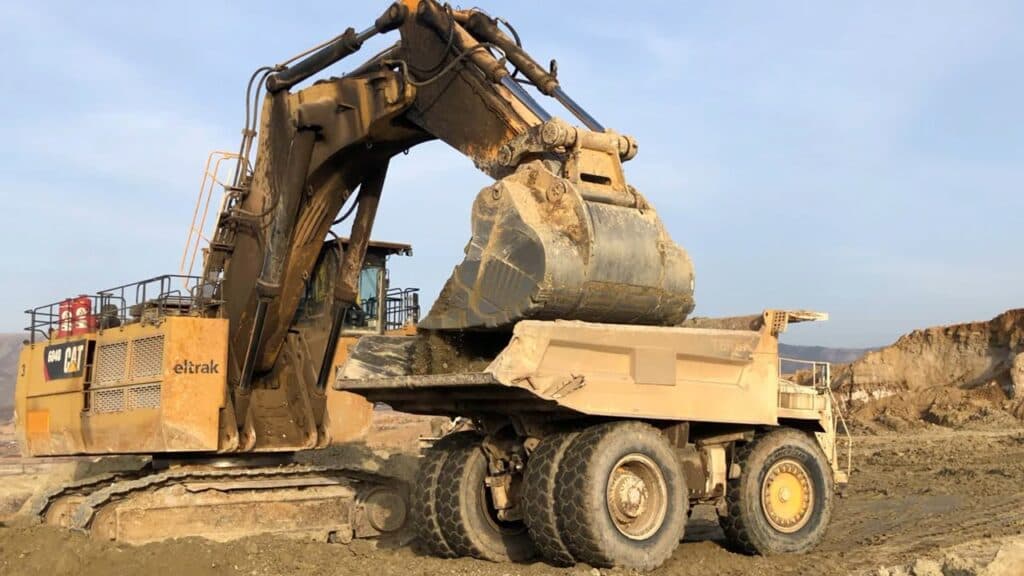
(A large gold mining excavator truck being loaded with rock)
- Drilling and Blasting Tools: Mining often requires drilling blast holes and filling them with explosives to break up hard rock. Drill rigs (both rotary and percussive types) create holes deep into the rock for this. After blasting, broken rock is easier to load and haul.
- Crushers and Grinders: These range from jaw crushers (that can crush boulders) to cone crushers and grinding mills that turn rock into powder. They operate continuously at large mines, processing tons of ore per hour.
- Processing Plant Equipment: Leaching tanks, where cyanide solution percolates through ore (or where slurry is agitated with cyanide), are central to gold extraction at many mines. There are also thickeners (to separate solids from liquids), pumps and pipelines (to move slurries), and activated carbon columns or tanks (for CIP/CIL gold recovery).
- Safety and Support: Mines also have ventilation systems (for underground), geological survey equipment (like core drilling rigs for exploration), and a variety of monitoring instruments (to track ground stability, chemical levels, etc.).
Interestingly, technology is making gold mining smarter and safer. Many mines now use automated haul trucks and drills (operated remotely), drone surveys of pits, and AI-driven software to model ore bodies and optimize extraction. These technologies help miners get more gold out of the ground with less waste and lower cost, and also reduce human exposure to dangerous conditions. For example, some mines have implemented autonomous haul trucks that navigate mine roads via GPS and sensors, improving efficiency. Others use sensor-based ore sorting to pre-concentrate ore and skip waste rock before processing.
To sum up, the gold mining process today is a combination of robust methods (open pits for big shallow deposits, underground tunnels for deep ones, and a remnants of placer mining in some areas) and high-end technology (from giant machines to chemical processing and automation). It’s a far cry from the gold pan and shovel, yet the ultimate goal is the same: isolate those tiny specks of yellow metal and turn them into something valuable.
Where Is Gold Found?
-
Gold is rare, but it’s distributed widely around the globe. This section answers “where is gold found?” both in terms of which countries produce the most gold today and what locations in the UK have (or had) gold. We’ll also look at the latest data (2023–2025) for top gold-producing countries and include a handy table.
In nature, gold is found in certain rock formations and geological environments – often in ancient volcanic belts, mountain ranges, and alluvial plains downstream of those areas. Gold mining is truly global: operations exist on every continent except Antarctica. However, a handful of countries dominate production.
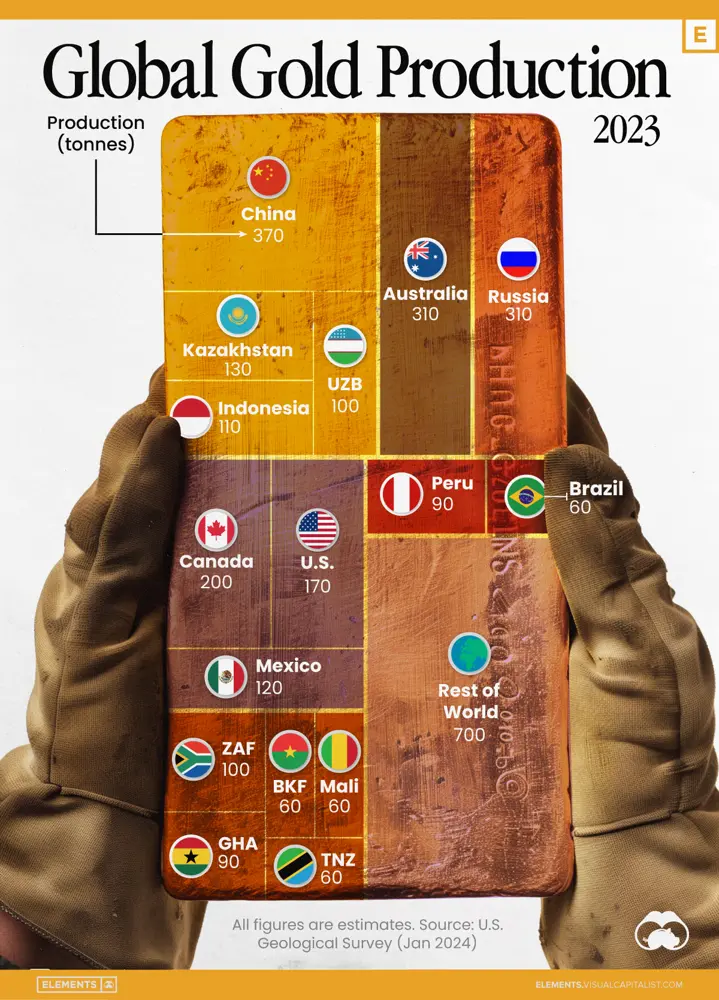
(Chart of global gold production by country in 2023 (in tonnes), showing China as the top producer)
-
As of the most recent data, the largest gold-producing countries in the world are China, Australia, and Russia. The chart above highlights the top gold producers in 2023, measured in tonnes of gold mined. China alone produced about 370 tonnes of gold in 2023, making it the #1 producer (roughly 12% of the world’s output). Australia and Russia were next, each mining around 310 tonnes that year. Following them, the United States and Canada are consistently among the top five producers. Other notable gold mining countries include Kazakhstan, Mexico, South Africa, and Indonesia, all of which mined significant quantities of gold in recent years.
To put it in perspective, global gold mine production in 2023 was just over 3,000 tonnes. China’s share (370 tonnes) is a big chunk of that, though not as dominant as, say, South Africa’s once was. (Fun fact: In 1970, South Africa alone produced 995 tonnes of gold – about two-thirds of the world’s production that year. Gold mining has since spread out to many countries.)
Below is a table of the top gold-producing countries and how much gold they produced most recently (2022 data):
The Top Gold-Producing Countries
Around 31% of the world’s gold production in 2022 came from three countries—China, Russia, and Australia, with each producing over 300 tonnes of the precious metal.
| Country | 2023 Gold Production (tonnes) |
|---|---|
| China | 370 |
| Australia | 310 |
| Russia | 310 |
| Canada | 200 |
| United States | 170 |
| Kazakhstan | 130 |
| Mexico | 120 |
| Indonesia | 110 |
| South Africa | 100 |
| Uzbekistan | 100 |
Looking at the table, you can see gold is found on almost every continent. China’s output comes from numerous mines across provinces (Shandong, Henan, etc.), Australia’s from its famous mines in Western Australia (like Kalgoorlie) and elsewhere, and Russia’s from Siberia and the Far East. Canada and the U.S. have prolific gold belts in Ontario/Quebec and Nevada/Alaska respectively. Africa still contributes strongly (Ghana, South Africa, Sudan, Mali are all significant producers not far behind the top 10). South America has Peru and Brazil as notable sources. This geographic diversity is a big change from decades ago when South Africa was king – nowadays, no single country produces an outsized majority of gold.
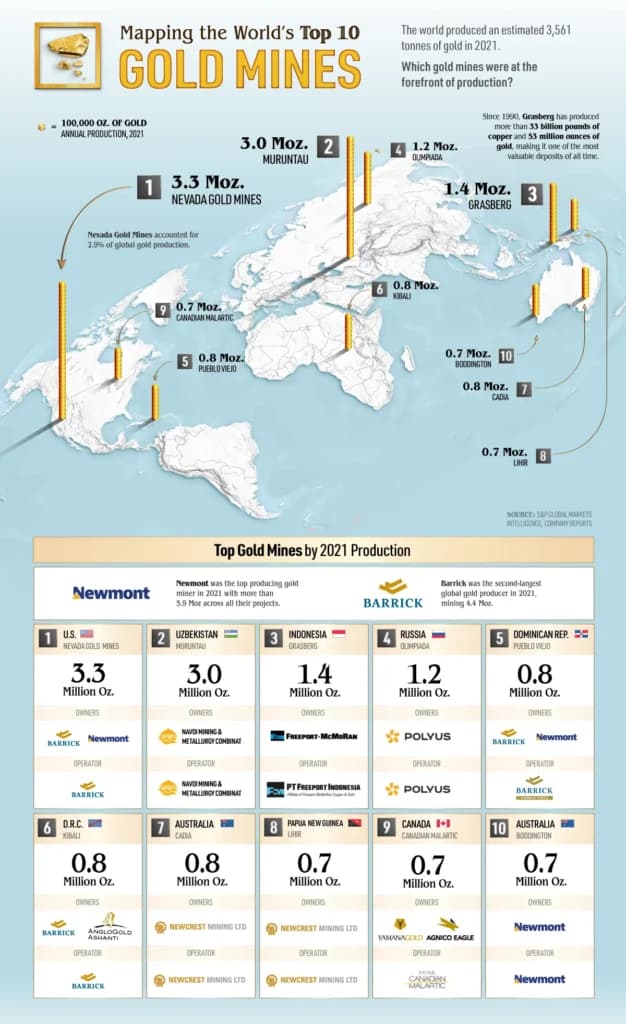
(Map showing the world’s largest gold mines by 2021 production, highlighting top gold-producing countries and companies)
Where Is Gold Found In The UK?
- Wales: North Wales has the Dolgellau Gold Belt in Gwynedd, where gold was mined for centuries. Notably, the Clogau St. David’s mine near Dolgellau was once Britain’s most productive gold mine and is famous for providing Welsh gold used in royal family wedding rings. Clogau (and the nearby Gwynfynydd mine) produced modest amounts of gold and had intermittent operation into the 20th century. They closed in the 1990s, when it was thought the easily reachable gold was exhausted. However, there is ongoing interest in reviving Welsh gold mines – in fact, exploratory work and new mining efforts have resumed at Clogau in recent years. This indicates there’s still gold in those hills, just harder to find. South Wales, in contrast, is not known for gold (coal was the big resource there).
- Scotland: Scotland has several areas where gold is found. The most famous might be the Leadhills–Wanlockhead area in the Lowther Hills (Southern Uplands), which had a gold rush in the 16th-17th centuries. In modern times, the big news has been the Cononish gold mine near Tyndrum in the Scottish Highlands. Cononish is a high-grade hard rock gold mine that started commercial production around 2020. It is currently the only active gold mine in the UK (operated by Scotgold Resources). Scotland also attracts hobbyist gold panners, especially in Highland rivers. There have been small gold nuggets found in streams like those in Sutherland and near Loch Tay. Historically, even as far back as the Victorian era, people panned Scottish rivers for gold.
- England: England has very limited gold occurrences. One small gold mine existed in England’s Lake District (the Bailey Level mine in Cumbria) which was a minor operation. In Cornwall and Devon, trace amounts of gold were sometimes found alongside tin or copper ores, but no significant standalone gold mines. The Northern Pennines (Swaledale, etc.) had reports of gold in some lead mines but nothing major. In summary, England is not known for gold mining – most gold-bearing areas in the UK are further north and west (Wales and Scotland).
It’s important to note that by law, gold in the UK (and silver) belongs to the Crown. Even on your own land, you technically need permission (a licence) from the Crown Estate to exploit it. This hasn’t stopped hobbyists from panning for gold in streams (there’s a tradition of recreational gold panning in Wales and Scotland), but anyone hoping to mine seriously in the UK must go through a permitting process with government and the Crown Estate.
For UK readers interested in finding gold, recreational panning is possible in certain locations (with landowner permission), such as in some Welsh rivers or Scottish burns known to carry gold. There are even tourist experiences where you can try panning. But remember: any substantial find would be subject to Crown rights and other laws (we’ll touch on legality in the FAQ). It’s a fun hobby, just don’t expect to get rich from UK rivers!
Top gold-producing countries vs. the UK: To put things in perspective, a top gold mine like Muruntau in Uzbekistan or the mines in China can produce more gold in a year than the UK has probably produced in its entire history. The UK’s gold output is very small – measured in kilograms per year at best. The value of UK gold mining today is more about niche heritage (like Welsh gold’s prestige) than volume.
For a deeper dive into the question “where is gold found?” – including geological details and specific sites worldwide – check out our dedicated post which covers gold deposits and famous gold locations in more detail.
Frequently Asked Questions
Are there gold mines in Wales?
Yes, Wales has historic gold mines, mainly in North Wales within the Dolgellau Gold Belt. The Clogau St. David’s and Gwynfynydd mines produced famous Welsh gold used in royal rings. Mining stopped in the 1990s, but exploration is ongoing to revive production.
How is gold mined?
Gold is mined through exploration, development, extraction, and processing. Ore is removed via open-pit or underground methods, then crushed and chemically treated—usually with cyanide—to separate the gold, which is later refined.
Is there a gold mine in the UK?
Yes, the UK currently has one active gold mine—Cononish in Scotland. It began production around 2020 and is operated by Scotgold Resources. Other areas are under exploration but not yet producing.
What gold mines are there in England?
England has no active gold mines today. Small historical mines existed, such as Bailey Level in Cumbria, but gold mining in the UK has mostly occurred in Wales and Scotland.
How much gold has been mined?
Humans have mined a lot of gold over history, but in total it’s still a surprisingly small volume. About 216,000 tonnes of gold have been mined throughout history (as of 2025). To visualise, that’s all the gold ever produced. It would form a cube roughly 22 meters on each side if melted together – that could fit under the Eiffel Tower! Notably, about two-thirds of that gold has been mined since 1950, due to modern technology and increased demand.
What gold mining equipment is used to mine gold?
Gold mining uses excavators, haul trucks, drills, crushers, mills, leaching tanks, and processing circuits. Underground mines use loaders and ventilation systems. High-tech tools and automation boost efficiency and safety.
What’s the largest gold mine in the world?
The Muruntau mine in Uzbekistan is the largest gold mine by output. It’s an enormous open-pit mine producing up to 2–3 million ounces of gold annually.
How much gold is left in the world?
Estimates suggest around 50,000–60,000 tonnes of mineable gold remain in the ground. More may exist in undiscovered or currently uneconomic deposits, but gold is a finite resource.
How much gold is mined per year?
About 3,000 to 3,300 tonnes of gold are mined globally each year. This figure adds roughly 1.5% annually to the total above-ground gold supply.
Can you find gold in UK rivers?
Yes, small amounts of gold can be found in UK rivers, especially in parts of Wales and Scotland. It’s mostly a hobby activity, and quantities found are usually minimal.
Is it legal to pan gold in the UK?
Yes, but you need the landowner’s permission. Gold belongs to the Crown, so technically it requires a licence. Hobby panning is tolerated in many areas if done responsibly.
Can you mine gold in the UK as a hobby?
You can pan or fossick for gold recreationally with permission, but you cannot legally operate a mine without licensing from the Crown Estate and local authorities.
What are the biggest gold mining companies?
Newmont Corporation and Barrick Gold are the world’s largest gold mining companies. Others include Agnico Eagle, AngloGold Ashanti, Gold Fields, and Kinross Gold.
What are the best gold mining stocks?
Top gold mining stocks include Newmont, Barrick Gold, Agnico Eagle, and Franco-Nevada. These companies are known for large reserves, strong performance, and global operations.
Are there gold mining stocks in the UK?
Yes, UK-listed stocks include Fresnillo and Hochschild Mining. Smaller companies like Scotgold Resources and Alba Minerals also focus on gold, but are much more speculative.
What gold mining companies are there in the UK?
UK-focused companies include Scotgold (Cononish Mine), Alba Minerals (Welsh gold), and Galantas Gold (Northern Ireland). They are small-scale compared to global producers.
Interested in selling gold with the UK’s highest paying gold buyer? Visit our Sell Gold page to get a competitive valuation – we provide fully insured postage and fast payment.
For more insights and the latest gold price today, keep an eye on our live charts and blog updates.