How To Clean A Gold Chain
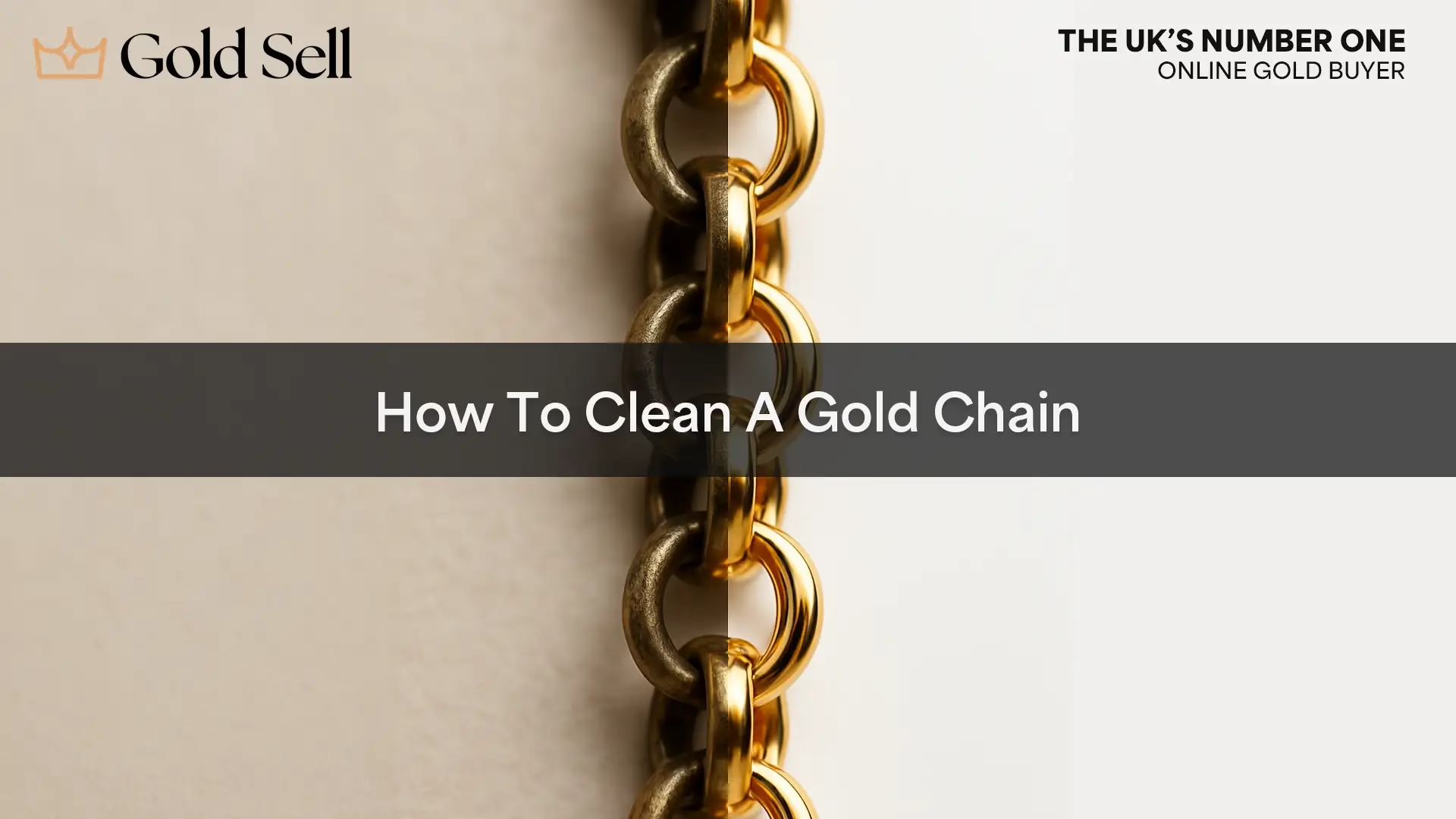
Cleaning a gold chain at home is straightforward, you usually just need warm soapy water and gentle brushing to remove dirt and restore its shine. In this guide, we’ll explain step-by-step how to clean a gold chain at home, how to verify if your chain is real gold, and answer common questions about caring for gold chains.
Key Takeaways
- Clean Gold Chains Safely: Use warm water and mild dish soap to soak your gold chain, gently scrub with a soft toothbrush, then rinse and dry thoroughly to make it shine. Avoid harsh chemicals or abrasive cleaners that can damage the gold.
- Check Hallmarks for Authenticity: Real gold chains typically have a hallmark stamp (like “9K”, “14K” or “750”) indicating their gold purity. Genuine gold is also non-magnetic, so if a chain strongly sticks to a magnet it’s likely not real gold.
- Best Homemade Gold Cleaner: The simplest and best gold cleaner is a few drops of gentle dish soap in warm water. This solution effectively cleans gold jewellery without risk, whereas using toothpaste, bleach, or even cola can harm or dull your gold chain.
How To Clean A Gold Chain
When cleaning a gold chain at home, there are dos and don’ts to ensure you don’t accidentally damage your jewellery. Do use mild cleaners and soft tools: a bowl of warm water with a few drops of dishwashing liquid and a soft-bristled toothbrush are ideal. Don’t use abrasive cleaners (like toothpaste or baking soda paste) or harsh chemicals such as bleach, as these can scratch or corrode gold. Also, if your gold chain has gemstones or delicate parts, avoid hot water or strong chemicals that might loosen settings.
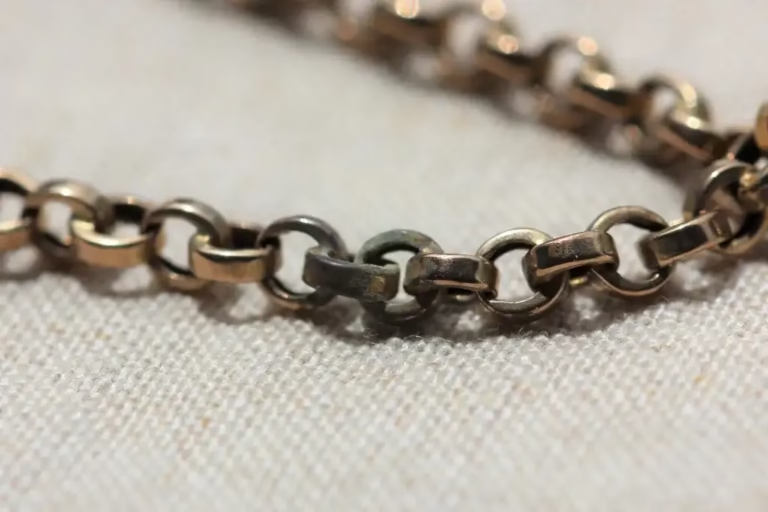
This close-up shows visible tarnish on a gold chain, a common issue caused by oils, sweat, and the alloy metals within gold reacting over time. If your chain looks like this, gentle at-home cleaning with warm soapy water and a soft brush is usually enough to restore its shine.
Before you begin, identify what kind of grime you’re dealing with. If your chain just has general buildup from skin oils, sweat, or dirt, a gentle soap bath will suffice. If you notice tarnish (dark or blackened areas on the gold), that is a thin layer of corrosion on the metal alloys in the gold. Pure 24K gold doesn’t tarnish, but the other metals mixed into 9K, 14K, or 18K gold can oxidise over time. Don’t worry, tarnish can be cleaned off with the right method, which may involve a bit more soaking or a specialised solution, as described below.
Steps: How to Clean a Gold Chain at Home (safe for 9K, 14K, 18K, and other solid gold jewellery):
- Prepare a Soapy Water Bath: Fill a small bowl with warm water (not boiling, just comfortably warm) and add a few drops of mild dish soap. Stir the solution so it’s evenly mixed. This gentle gold chain cleaner will loosen dirt and oils without harming the metal. If your chain is very dirty, you can also add a pinch of baking soda to the water for extra cleaning power (baking soda will dissolve to create a mild alkaline solution). Tip: Make sure to plug the sink or work away from any drains, just in case you drop the chain.
- Soak the Gold Chain: Place your gold chain into the bowl of soapy water, ensuring it’s fully submerged. Let it soak for about 15–20 minutes. Soaking helps loosen dried-on grime and starts to soften any tarnish or debris on the chain. For light dirt, a shorter soak (5–10 minutes) is fine; heavier tarnish or grime might benefit from a 20–30 minute soak.
- Gently Scrub with a Soft Brush: After soaking, take a very soft toothbrush (or a soft paintbrush or eyebrow brush) and gently scrub the chain. Focus on the nooks and crannies between links where dirt accumulates. Use light pressure, let the bristles do the work. Scrubbing will help lift off loosened grime and any remaining tarnish. Never use a hard-bristled brush or abrasive pad, as these can scratch the gold’s surface. If the chain is very delicate or filigreed, you might opt for a cotton swab to reach tiny crevices.
- Rinse Thoroughly: Once you’re satisfied that the chain is clean, remove it from the soapy solution. Rinse it under clean, lukewarm running water (or in a bowl of clean water). This washes away soap residue and any dislodged dirt. It’s important to rinse off all soap because leftover soap can leave a dull film on gold. If you used a bowl, you may want to refill it with fresh water and swish the chain around. Ensure no suds or grime remain.
- Dry and Buff the Chain: Lay the gold chain on a soft, lint-free cloth (cotton or microfibre works well) and pat it dry. Do not use paper towels or tissues, as these can scratch gold, especially higher karats which are softer. Once it’s mostly dry, gently buff the chain with the cloth to bring out its shine. For extra shine, you can use a gold polishing cloth if you have one, but plain cloth is fine for a simple clean. Make sure the chain is completely dry before wearing or storing it, since moisture could lead to spotting or contribute to tarnish.
If your gold chain had significant tarnish (black or brown areas), check its appearance after cleaning. Light tarnish should be gone after the above steps. Stubborn tarnish might improve but not fully disappear; you can repeat the soak-and-brush process a second time. Each cleaning should further reduce the tarnish. For very heavy tarnish or residue that doesn’t come off, it may be wise to use a specialised gold jewellery cleaner solution or take the chain to a professional jeweller for deep cleaning or polishing.
Aftercare Tip: Once your gold chain is clean and sparkling, you’ll want to keep it that way! Here are some quick tips to prevent heavy dirt buildup or tarnish in the future:
- Wipe After Wear: After wearing your chain, quickly give it a wipe with a soft cloth to remove skin oils, sweat, or lotions. This daily habit can slow down accumulation of grime.
- Avoid Chemicals and Pools: Take off your gold chain before swimming in chlorinated pools, hot tubs, or the ocean. Chlorine and other chemicals can react with the alloy metals in gold and cause darkening or even weaken the metal over time. Similarly, remove the chain before using harsh cleaning chemicals.
- Put Jewellery on Last: Apply perfumes, hairspray, or lotions before you put on your gold chain. Let products dry on your skin first. This way the chain isn’t directly exposed to chemicals that could dull it.
- Proper Storage: Store your gold chain in a clean, dry place. It’s best to keep gold jewellery in a fabric-lined jewellery box or a soft pouch. Keep chains separate or in individual compartments, gold is a soft metal, so storing chains together can lead to scratches as they rub against each other. You might even use anti-tarnish strips in your jewellery box, though gold tarnishes much less than silver.
- Regular Cleaning: Make a habit of cleaning your gold chain periodically, even if it doesn’t look very dirty. A quick clean every month or two (depending on how often you wear it) will prevent buildup. Frequently worn gold jewellery benefits from monthly cleaning to keep its lustre. This prevents the kind of deep grime or tarnish that requires intensive cleaning.
By following these steps and precautions, you can safely clean a gold chain at home and keep it looking as radiant as the day you got it. Regular gentle cleaning and proper care will ensure your gold chain stays untarnished and shiny for years to come.
What Is The Best Homemade Gold Cleaner?
The best homemade gold cleaner is a simple solution of warm water and mild dish soap. This gentle mixture is highly effective at cleaning gold jewellery. In fact, most jewellers and experts agree that soaking gold in warm soapy water is the safest and most effective way to clean it at home. To use this method, fill a bowl with warm (not hot) water, add a few drops of a mild dishwashing liquid, and let your gold chain soak in it for 10–20 minutes. Afterwards, gently brush the chain with a soft toothbrush to remove any loosened dirt, then rinse and pat dry. This homemade gold cleaning solution will remove oils, fingerprints, and light tarnish without any risk to the metal.
It might be tempting to try stronger home remedies, but many of them are not as safe for gold. For example, some people use vinegar, baking soda, or even toothpaste to clean gold; these are not recommended for routine cleaning. Vinegar is acidic and, while it can dissolve tarnish, it should only be used in a diluted form and never on gold jewellery with gemstones or plating (undiluted vinegar can harm soft stones or the finish on gold-plated items). Baking soda and toothpaste are abrasive; they can scratch gold’s surface or wear away gold plating. In fact, jewellery experts specifically caution against using toothpaste or baking soda on gold because these can do more harm than good, leaving fine scratches that dull the metal. A mild dish soap and water bath avoids all these issues; it contains no harsh chemicals or abrasives, just gentle cleaning power.
If you need a bit more cleaning boost for a heavily soiled gold chain, you can add a small amount of ammonia to the soapy water (for solid gold only, not for pieces with gemstones or pearls). For example, a common recommendation is a few drops of ammonia in a cup of water with dish soap, soak briefly, and scrub. This can help with stubborn grease or grime. However, use ammonia sparingly and with caution, it’s a strong chemical and overuse can discolour gold alloys. For most day-to-day cleaning, ammonia isn’t necessary; stick to dish soap unless you have a very grimy chain, and even then, dilute it well.
Another excellent homemade option is to use a jewellery cleaning cloth (pre-treated polishing cloth) to rub the gold chain. These cloths are infused with gentle cleaners and work nicely to bring back shine, especially after the soap-and-water cleaning. They are safe for gold and can remove residual tarnish spots.
In summary, the top homemade gold cleaner is warm water with a few drops of mild dish soap, it’s gentle, effective, and won’t harm your gold chain. Avoid the urge to use abrasive pastes or strong chemicals from your kitchen cabinet. Sticking with mild soap (or a product specifically made for jewellery) will keep your gold chain clean and scratch-free. If you need something stronger, it’s better to purchase a proper liquid jewellery cleaner made for gold or take the chain to a professional, rather than risk a DIY remedy that could damage your beautiful jewellery.
How To Tell If A Gold Chain Is Real?
To tell if a gold chain is real, check for a hallmark stamp that indicates its gold purity. Genuine gold jewellery is usually stamped with a purity mark or karat number, for example, 9K or 375 (37.5% gold), 14K or 585 (58.5% gold), 18K or 750 (75% gold), etc. These tiny stamps are often located on the clasp or a small tag on the chain. A hallmark is a strong indicator that your chain is real gold. In the UK, for instance, all gold jewellery over 1 gram must be hallmarked by law, so a missing hallmark on a substantial gold chain could be a red flag. However, be aware that hallmark stamps can be faked on counterfeit chains, so it’s wise to combine this with other checks.
Another quick test is to use a magnet. Pure gold and typical gold alloys (like 14K, 18K) are not magnetic. Take a strong magnet and hold it near your gold chain. If the chain is attracted or sticks to the magnet, then it’s likely not real gold; it could be gold-plated steel or another metal. If there’s no magnetic pull, that’s a good sign (though not definitive, since some base metals in fake jewellery are non-magnetic as well). Note: Some real gold chains have metal springs in clasps that might react slightly to magnets, but the chain itself should not jump to a magnet.
Examine the chain’s colour and wear. Real gold has a consistent colour throughout. If you see areas where the gold colour has worn off to reveal a different metal beneath, the chain is probably just gold-plated or fake. Similarly, if your skin turns green or the chain’s metal turns greenish where it contacts skin, that indicates copper or brass content from a fake or low-quality piece. Real solid gold shouldn’t turn your skin green. (One exception: even real lower-karat gold, like 9K or 10K, can sometimes cause slight skin discolouration in some people due to copper content, especially if exposed to chemicals or sweat, but it’s much less pronounced than cheap costume jewellery turning skin green.)
Don’t be alarmed if your gold chain has some tarnish or darkening, that alone isn’t proof it’s fake. Pure 24K gold doesn’t tarnish, but most gold jewellery is 14K or 18K gold (i.e., it contains other metals like copper or silver that can oxidise). This means real gold chains can get a dark tarnish or dull film, especially when exposed to chemicals like chlorine, sulphur, or just everyday air pollution. A bit of blackening or tarnish on a 14K/18K gold chain is normal and can be cleaned off; it doesn’t mean the gold isn’t real. However, if a piece is heavily corroding, peeling, or consistently turning stark black or green, it could be fake or gold-plated. For example, a fake gold chain (or low-quality gold plate) might show greenish corrosion or extreme tarnish that real gold typically wouldn’t.
Other methods to verify real gold include the acid test and density test. An acid test kit (containing nitric acid solutions for different karats) can be used on a small scratch filed on an inconspicuous part of the chain to see if the metal is authentic; the acid reaction will indicate the karat or if it’s not gold. This method is fairly reliable but should be done carefully (or by a jeweller) to avoid damaging the piece. The density test involves measuring volume vs. weight to see if it matches gold’s density (real gold is dense and heavy for its size). Also, consider the chain’s weight: real gold is heavier than most fake substitute metals. If you have a similar size chain of known real gold, compare the weight — if your chain feels unusually light for its size, it might not be genuine gold.
Lastly, if in doubt, consult a professional jeweler. Jewelers can quickly inspect for hallmarks under magnification, perform a quick acid test or use electronic gold testers, and give you an expert opinion. Many jewellery stores will do a simple authenticity check at little or no cost. This can give you peace of mind, especially for higher-value gold chains.
Summary: To tell if a gold chain is real, first look for karat hallmarks on the chain (e.g. 14K, 18K, or a three-digit fineness number like 585 or 750). Do a magnet test — real gold is not magnetic. Real gold will not chip or peel its gold colour, so check for wear spots revealing other metal. Don’t confuse normal tarnish on 10K–18K gold for fake; a bit of tarnish is normal due to alloys and can be cleaned. If you remain unsure, get an acid test or professional appraisal to confirm the chain’s authenticity. With these steps, you can confidently determine if your gold chain is the real deal.
Frequently Asked Questions
How to clean a gold chain?
To clean a gold chain, soak it in warm water mixed with mild dish soap for 15–20 minutes, then gently brush it with a soft toothbrush. This removes oils, dirt and light tarnish without damaging the metal. Rinse it thoroughly with clean water and dry it with a soft cloth. This safe method works for all solid gold chains and helps maintain shine with regular use.
How to tell if a gold chain is real?
To tell if a gold chain is real, check for a hallmark such as 9K, 14K, 18K, 375, 585 or 750 stamped on the clasp. Real gold is not magnetic, so a strong magnet should not attract it. Authentic gold does not peel or flake and shows consistent colour. If uncertain, a jeweller can confirm authenticity using acid testing or an electronic gold tester.
How to untangle gold chain?
To untangle a gold chain, place it on a flat surface and apply a tiny amount of baby oil or baby powder to reduce friction. Use two fine pins or needles to gently tease apart the knot without pulling. Patience is essential because tugging can weaken or snap links. Once untangled, clean the chain with warm soapy water to remove any residue and restore shine.
How do you clean tarnished gold?
To clean tarnished gold, soak the chain in warm water with a few drops of gentle dish soap for 15–20 minutes, then lightly brush away the tarnish with a soft toothbrush. Rinse thoroughly and dry with a soft cloth to restore brightness. Tarnish forms due to alloy metals reacting with air or chemicals. If tarnish is heavy, repeat the process or use a gold-specific cleaner.
How to clean gold chain with baking soda?
To clean a gold chain with baking soda, dissolve a teaspoon of baking soda in warm soapy water and soak the chain for 10–15 minutes. Gently brush it with a soft toothbrush and rinse well. Baking soda paste is abrasive and can scratch gold, so never rub the powder directly on the metal. This diluted method is safer for solid gold but avoid using it on gold-plated jewellery.
What is the best homemade gold cleaner?
The best homemade gold cleaner is warm water mixed with a few drops of mild dish soap because it safely removes oils, residue and light tarnish without harming the gold. Soak the chain for 15–20 minutes, gently brush it and rinse thoroughly. This method is recommended by jewellers for regular cleaning and is safe for solid gold and most lightweight gold jewellery when done correctly.
How long to leave gold in vinegar?
If you use vinegar to clean gold, leave the gold in vinegar for no more than ten minutes because vinegar is acidic and prolonged contact can damage alloys or attached components. This method should only be used on solid gold without gemstones. After soaking, gently brush the gold and rinse thoroughly with water. Dish soap and warm water is usually a safer cleaning option.
How do you clean gold that has turned black?
To clean gold that has turned black, soak it in warm water with mild dish soap for 15–20 minutes, then gently brush away the darkened tarnish with a soft toothbrush. Blackening usually happens when the alloy metals in gold react with chlorine or sulphur. Rinse the chain thoroughly and dry it with a soft cloth. Repeat the process or use a gold-safe cleaner for stubborn areas.
Can I use toothpaste to clean gold?
You should never use toothpaste to clean gold because toothpaste contains abrasive particles that scratch the gold surface and dull the finish. Gold is a soft metal and even gentle scrubbing with toothpaste can leave permanent marks. A better method is warm water with mild dish soap and a soft toothbrush because this cleans effectively without damaging the gold or reducing its shine over time.
Does coke clean gold jewelry?
Coke can clean gold jewellery because its acidity dissolves grime and light tarnish, although it is not a recommended method. The sugars and acids in Coke can leave residue and prolonged soaking may damage alloys or weaken certain components. Safer cleaning methods use warm water and mild dish soap followed by gentle brushing. Reserve Coke only for occasional use when no better option is available.
Is gold fake if it turns black?
Gold is not automatically fake if it turns black because lower-karat gold can tarnish due to the alloy metals reacting with sweat, chemicals or pollution. Real 9K, 14K or 18K gold can develop dark spots which clean off easily. Fake gold often peels, corrodes or reveals another metal underneath. Inspect hallmarks and test with a magnet or jeweller to confirm authenticity.
Are gold chains waterproof?
Gold chains are waterproof because water does not damage gold, although exposure to chlorinated or salty water can cause tarnish or weaken solder points over time. Wearing a gold chain in fresh water occasionally is safe but repeated wetting can leave residue that dulls the finish. Drying the chain after contact with water helps maintain shine. For long-term preservation, remove gold before swimming.
Can I wear gold chain in shower?
You can wear a gold chain in the shower because water does not harm solid gold, although shower products can leave residue that dulls the finish. Shampoo, conditioner and body washes may cling to chain links and require more frequent cleaning. Hard water minerals may also reduce shine. Removing your chain before showering keeps it cleaner for longer and helps prevent unnecessary tarnish buildup.
Interested in selling gold with the UK’s highest paying gold buyer? Visit our Sell Gold page to get a competitive valuation – we provide fully insured postage and fast payment.
For more insights and the latest gold price today, keep an eye on our live charts and blog updates.