What Is Rose Gold?
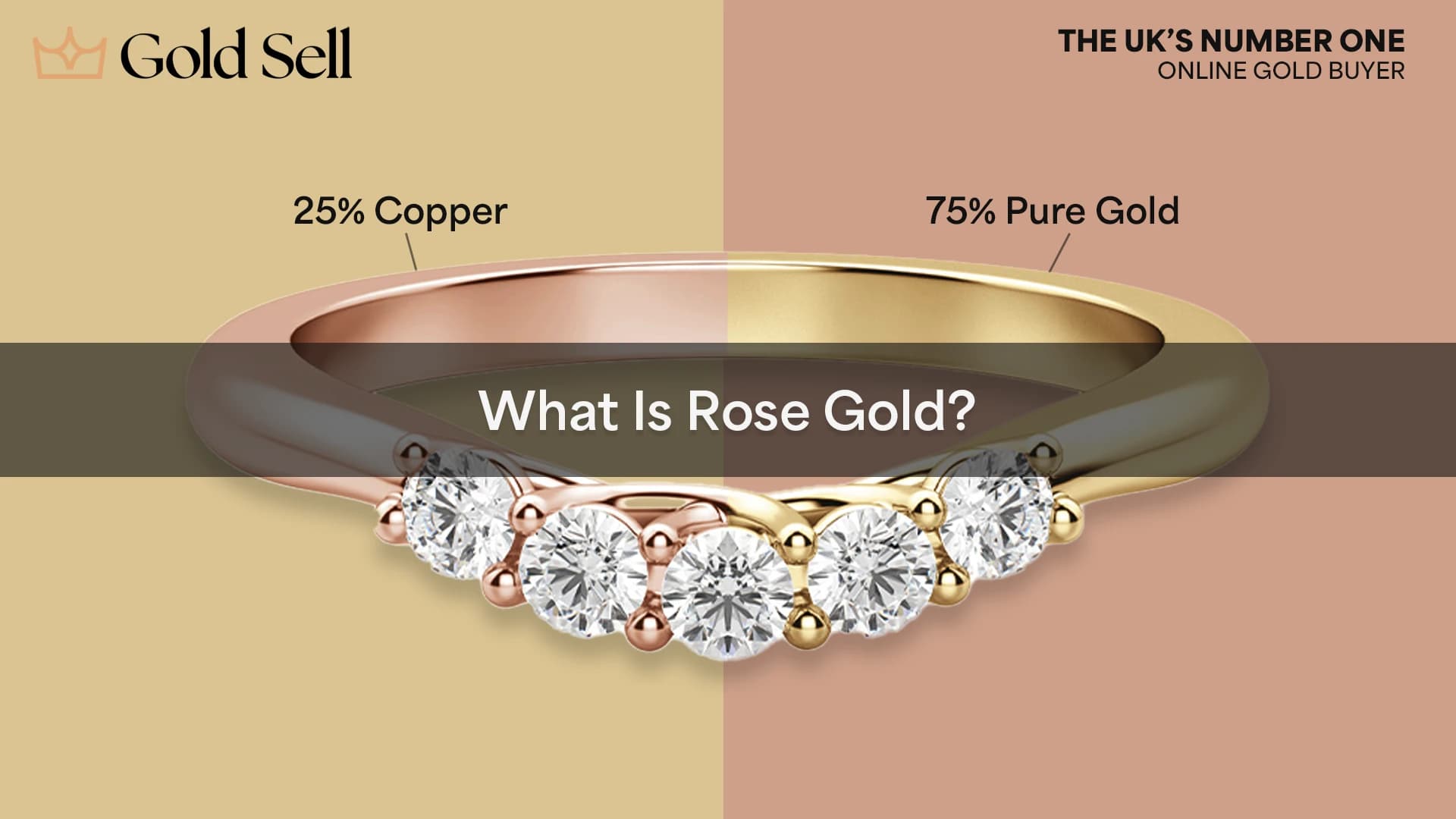
Rose gold is a gold-copper alloy known for its warm pinkish hue. It’s made by mixing pure gold with copper (and often a bit of silver), giving the metal its characteristic rosy tint. In other words, rose gold is a type of real gold (usually 10K, 14K or 18K) that contains actual gold – not just a coating. The result is a durable, beautiful metal widely used in jewellery, from engagement rings to bracelets.
Key Takeaways
- Composition: Rose gold is an alloy (mixture) of real gold with copper (and sometimes silver), which gives it the pink colour.
- Purity: It’s sold in karats (10K, 14K, 18K), meaning 58–75% gold content, so it’s genuine gold alloy.
- Colour & Comparison: Unlike bright yellow gold, rose gold’s colour comes from higher copper content; yellow gold uses more silver and less copper.
- Durability: Rose gold is strong and does not tarnish, although the copper may develop a slight patina (mellowing) over many years.
- Care: Clean gently with soap and water; avoid harsh chemicals and ultrasonic cleaners to protect the copper.
What Is Rose Gold?
Rose gold is a pinkish-coloured gold alloy used in jewellery. It’s created by alloying pure gold with copper (and sometimes silver) to achieve its rosy tint. In essence, it is still gold – typically 58–75% gold by weight – so it carries the value and properties of gold. The copper gives it the warm colour and added strength (pure gold is soft). Rose gold was historically called “Russian gold” and has become very popular in rings, watches, and other jewellery for its unique look.
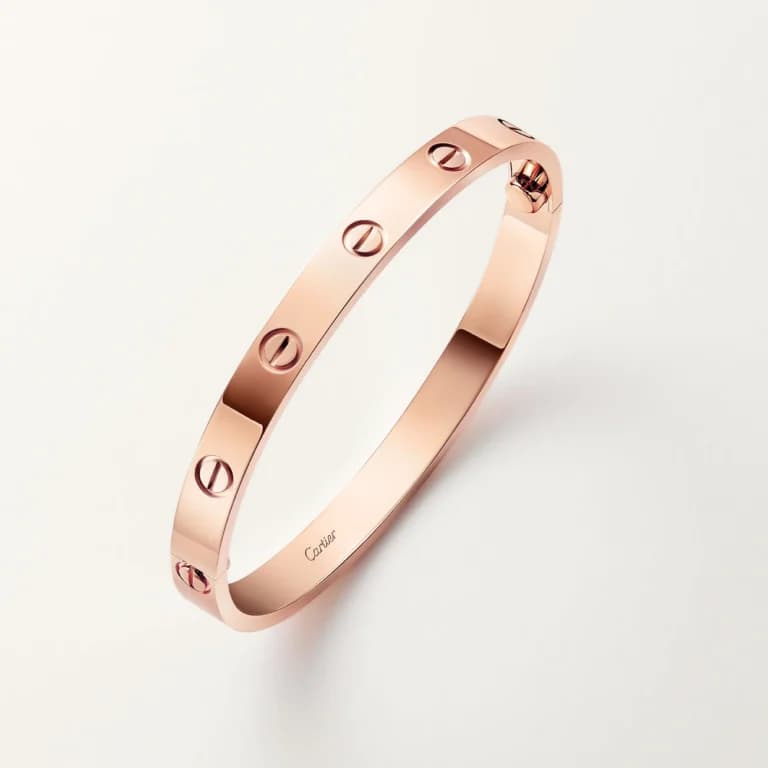
(This 18 ct Cartier Love rose-gold bracelet shows how the alloy’s high copper content creates its unmistakable warm blush tone and sleek, modern finish)
Is Rose Gold Real Gold?
Yes – rose gold contains real gold. It’s an alloy of gold mixed with other metals (mainly copper). For example, 18K rose gold is roughly 75% pure gold and 25% copper/silver. This means when you buy rose gold jewellery, you’re still buying genuine gold (just alloyed with other metals for colour and hardness). The keyword distinction is that rose gold plating is not the same: plated items have only a thin surface layer of rose-coloured gold over a base metal. True rose gold jewellery (10K/14K/18K) is a solid gold alloy.
If you’re considering selling or valuing a rose gold ring or other piece, note that solid rose gold is treated like any gold alloy. For example, an 18K rose gold ring will carry a very similar price to an 18K yellow gold ring. Although yellow gold contains slightly more valuable metals like silver compared to rose gold, in practice, buyers mainly pay for the gold content, making their resale values nearly identical.
What Is Rose Gold Made Of?
Rose gold is made by alloying pure gold with copper (and often a bit of silver). The copper is what gives rose gold its reddish-pink hue. The exact mix varies by karat: for instance, 18K rose gold is usually 75% gold, 22.25% copper, and 2.75% silver. 14K rose gold would be about 58.3% gold, 41.7% copper/silver. Lower-karat rose gold (like 9K) has less gold and more copper, making it redder. In all cases, the higher the copper percentage, the “redder” the gold looks, whereas yellow gold alloys use more silver and less copper.
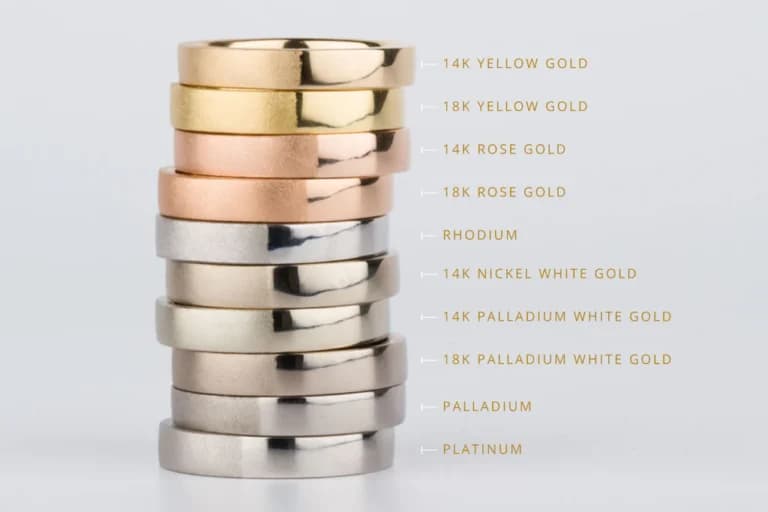
(A side-by-side look at 14k and 18k yellow and rose gold rings, plus rhodium-plated and various white-gold alloys, highlights how different gold types change in colour and sheen)
Rose Gold Price
Rose gold’s value tracks the market price of gold because it contains real gold. Its price is determined by its gold content (karat) and the current gold market rates, with a small addition for the copper and any design premium. In practice, an 18K rose gold piece (75% gold) will have a scrap value close to 75% of the pure gold price. Copper and silver add only minor extra value, so 18K rose gold typically sells for nearly the same as 18K yellow gold. (For example, the price of gold is currently £94.43/gram based on the live gold spot price for pure gold, so 18K rose gold would be £70.82/gram from gold content.)
Live Gold Price Per Gram
Gold price last updated:
Saturday, 14 November 2026, 21:14.
The LBMA (London Bullion Market Association) gold spot price is live and refreshed every 60 seconds to reflect the real-time gold spot price.
The percentage of the spot price we pay for your gold is based on the volume you send to us.
Yellow Gold vs Rose Gold
Yellow gold and rose gold are both gold alloys, but they look and behave slightly differently. Yellow gold (the classic “gold” colour) typically mixes gold with silver and a little copper, giving a bright yellow hue. Rose gold swaps in much more copper (and sometimes a dash of silver), yielding a pinkish-red colour. For instance, 18K yellow gold might be ~75% gold, ~12.5% silver, ~12.5% copper, whereas 18K rose gold replaces most of that silver with more copper.
The colour difference is the biggest factor: rose gold has a warm, pink glow compared to the sunny yellow of traditional gold. Both can be equally valuable at the same karat because they contain the same gold amount. In terms of style, yellow gold is often chosen for a classic look, while rose gold has a modern, romantic appeal. Care and durability are similar – both are gold alloys and last a lifetime.
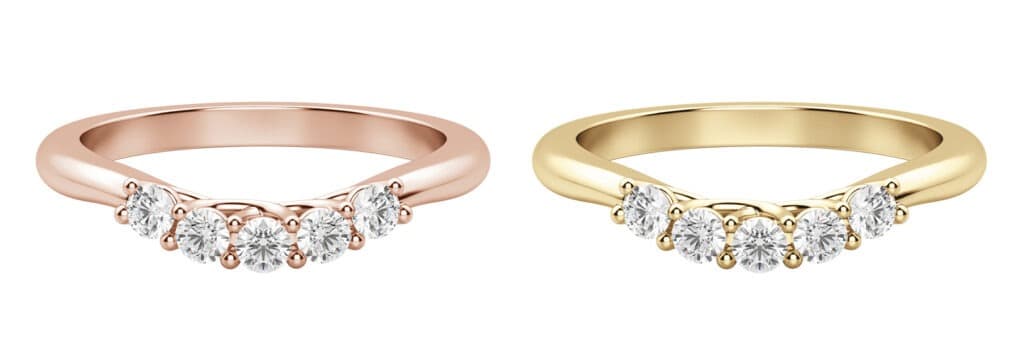
(Comparing rose gold vs yellow gold: the same diamond-set ring design shows how rose gold’s soft pink warmth contrasts with the classic bright yellow of traditional gold)
Does Rose Gold Tarnish
No, rose gold does not tarnish in the way silver does. Because rose gold is mostly gold (which doesn’t tarnish) and copper/silver alloys, it is quite stable. High-quality rose gold jewellery made from pure gold-copper-silver alloys “does not tarnish,” according to experts. Over many years, you might notice it slowly develop a richer patina – it may darken or take on a deeper rosy/red tint. This change is due to the slow oxidation of copper in the alloy, not tarnish of the gold itself. In fact, a slight patina can make rose gold look antique and attractive. In normal use, rose gold jewellery retains its shine and colour, and any deepening of colour is a very gradual, mild effect.
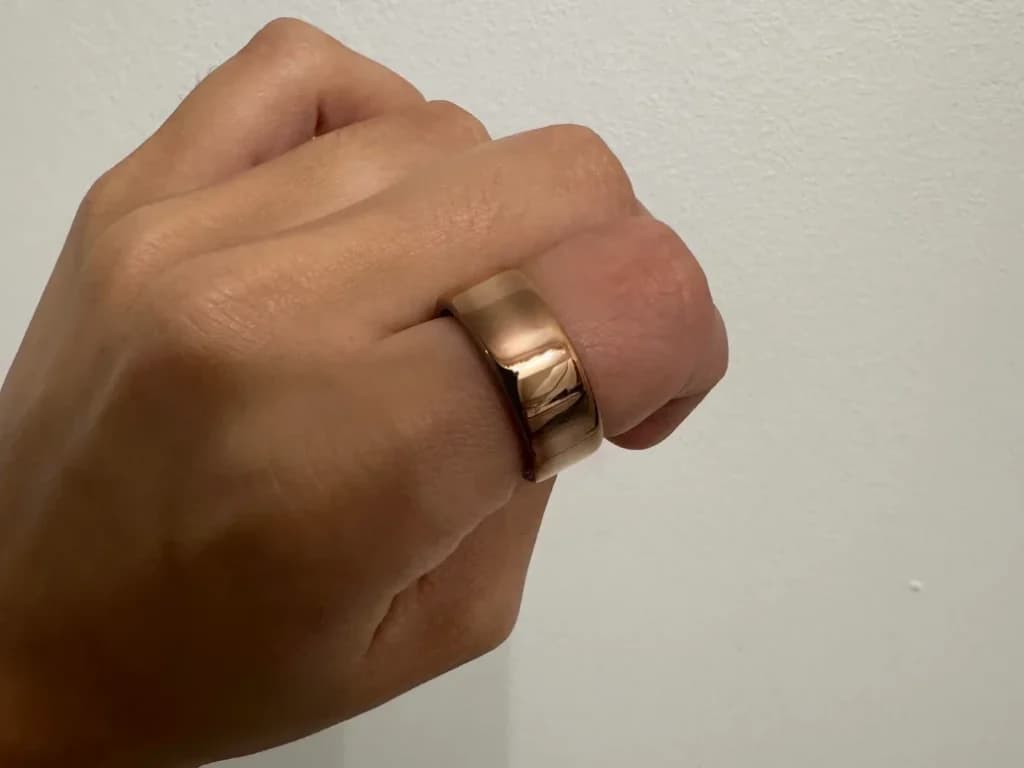
(This rose-gold band shows a mild patina forming on its surface—the copper in the alloy slowly deepens the colour, giving the ring a warmer, vintage look over time)
How To Clean Rose Gold?
Cleaning rose gold is easy but should be done gently. The best method is a soft brush and mild soap. For example, mix a few drops of dish soap with warm water, soak the rose gold piece for 5–10 minutes, then gently scrub with a soft toothbrush. Rinse thoroughly and pat dry with a soft cloth. This removes everyday dirt and oils without harm. You can also polish lightly with a clean, dry jewellery cloth to restore lustre.
Avoid harsh methods: Never use ammonia, bleach, or other strong chemicals on rose gold. Also avoid ultrasonic cleaners or steam cleaners – the copper in the alloy can react or the jewellery’s surface can be scratched. After each wear, wipe your rose gold jewellery with a soft cloth to remove oils (this simple step reduces the need for deep cleaning). Overall, treat rose gold like you would any fine jewellery: gentle cleaning when needed, and regular wiping to keep it shiny. We have created an easy-to-follow guide on how to clean gold jewellery at home without the risk of damaging your precious gold items.
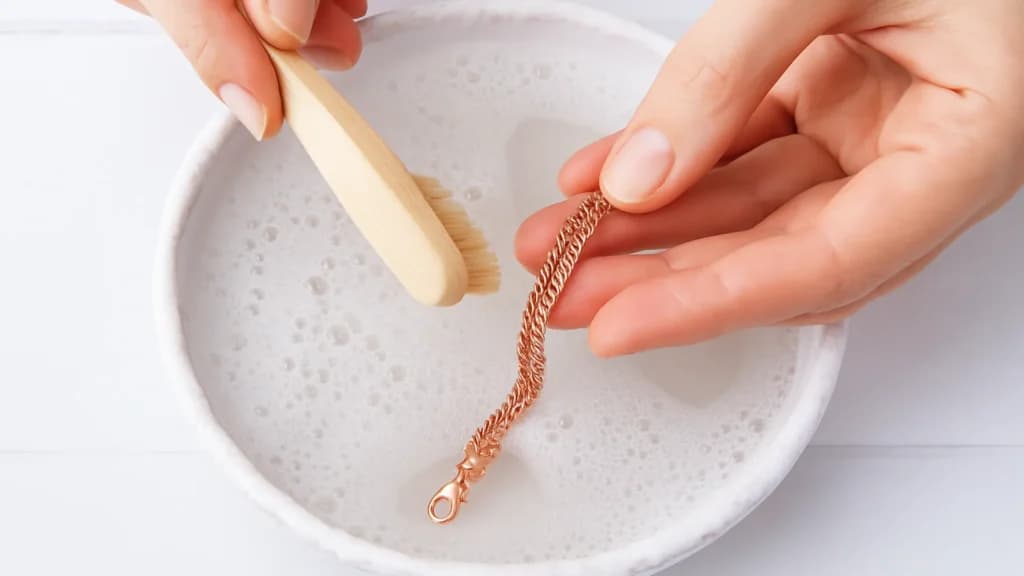
(Gently scrubbing a rose-gold chain in a bowl of warm, sudsy water with a soft-bristle brush—the safest, quickest method to lift everyday dirt without damaging the metal’s blush finish)
Frequently Asked Questions
What is rose gold made of?
Rose gold is made by blending pure gold with mostly copper and a touch of silver; more copper deepens the pink tone, while higher gold percentage (such as 18k) yields a softer, subtler blush.
Is rose gold real gold?
Yes—rose gold is real gold; it’s genuine 10k, 14k, or 18k gold alloyed with copper (and a little silver) to create its pink colour, so you’re buying true gold, just with a romantic rosy hue.
How to clean rose gold?
Clean rose gold by soaking it in warm water mixed with a drop of mild dish soap, gently brushing with a soft toothbrush, then rinsing and drying with a lint-free cloth; avoid harsh chemicals or abrasives.
Rose gold vs yellow gold?
The key difference is colour: rose gold’s pink tint comes from copper, while yellow gold stays bright thanks to more silver and less copper; both hold equal value at the same karat and share similar durability.
What is the rose gold price per gram?
As of 14 Nov 2026, the live gold price puts the rose gold price per gram at £70.82 for 18ct rose gold.
Does rose gold tarnish?
Rose gold doesn’t truly tarnish because gold doesn’t corrode; instead, its copper may gain a gentle patina over many years, darkening the pink slightly, this is easy to polish away if you prefer a brighter shine.
What colours match rose gold?
Rose gold pairs beautifully with neutrals (cream, beige, charcoal), pastels (blush, mint, lavender), and cool tones like navy or teal; its warm pink glow also flatters complementary metals such as white gold or platinum.
Rose gold vs copper?
Rose gold is a precious-metal alloy containing real gold, whereas pure copper is a base metal; rose gold holds intrinsic precious metal value, resists corrosion better, and retains a luxurious blush tone without turning skin green.
Is rose gold 14k or 18k?
Rose gold comes in both 14k (58.3 % gold) and 18k (75 % gold); 14k shows a slightly stronger pink because of extra copper, while 18k offers higher gold purity with a softer, peachier sheen.
Interested in selling gold with the UK’s highest paying gold buyer? Visit our Sell Gold page to get a competitive valuation – we provide fully insured postage and fast payment.
For more insights and the latest gold price today, keep an eye on our live charts and blog updates.