
Does Gold Vermeil Tarnish?
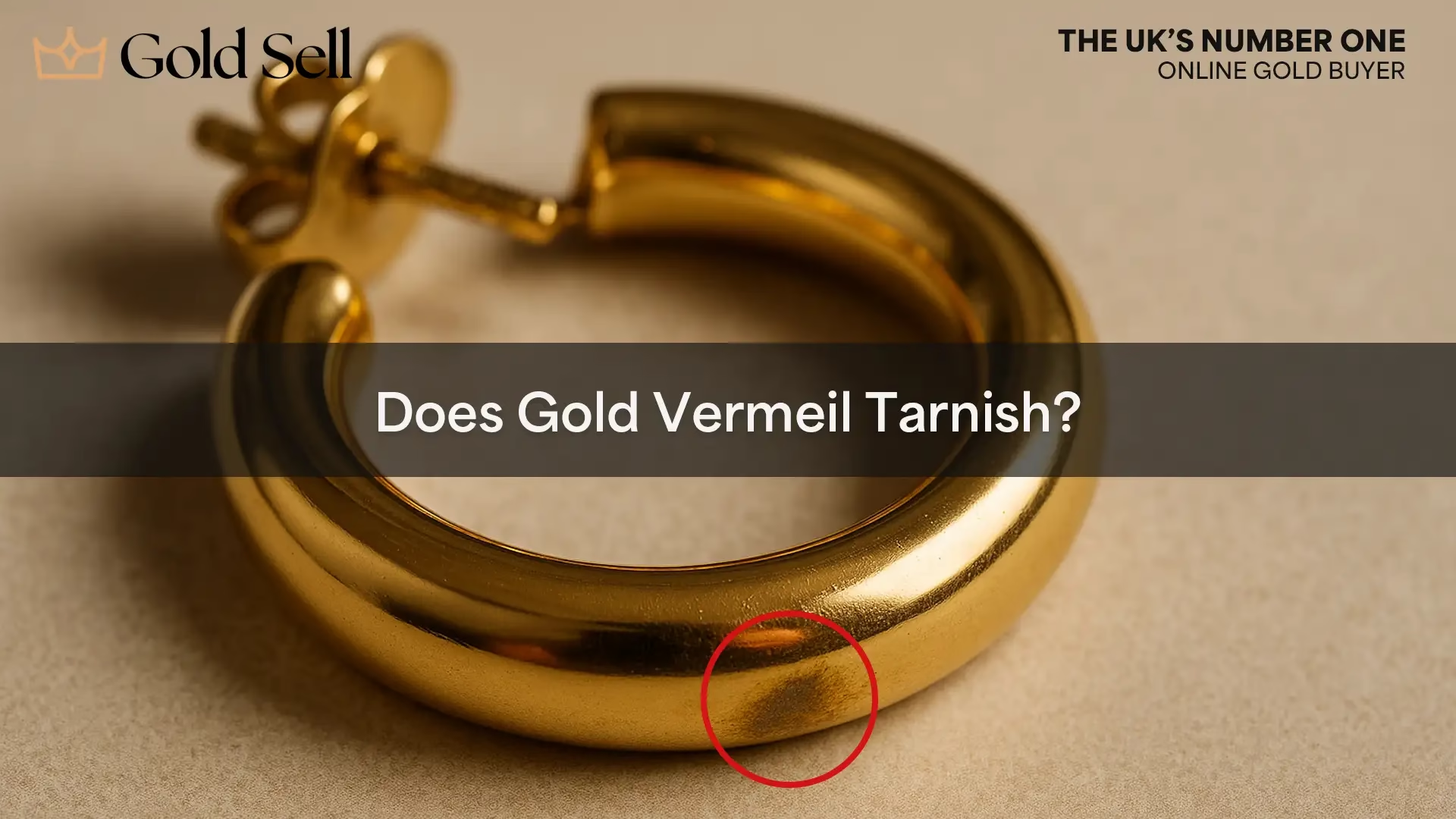
Yes, gold vermeil can tarnish over time, but it tarnishes much more slowly than ordinary gold-plated jewellery. Gold itself doesn’t rust or tarnish, but gold vermeil jewellery has a sterling silver core beneath the gold. Over years of wear, the silver (and alloy metals in the gold) may react with air, moisture, or chemicals and develop a dull or darkened layer. The good news is that gold vermeil is far more resistant to tarnishing than cheaper gold-plated pieces because of its thick gold layer and quality materials. With proper care, you can keep gold vermeil jewellery shining for many years before any tarnish becomes noticeable.
Key Takeaways
- Gold vermeil does tarnish eventually: but not nearly as quickly as standard gold-plated jewellery. Its thick layer of gold over sterling silver makes it less susceptible to tarnish than pieces plated over brass or copper.
- Proper care prevents most tarnish: by keeping your gold vermeil dry, avoiding exposure to chemicals (like perfume, lotion, or chlorine), and storing it in a dry, airtight place, you can minimise oxidation. Any slight tarnish that does appear (often as a dull film or tiny dark spots) can be gently polished off to restore shine.
- Gold vermeil is durable and long-lasting: thanks to a thicker gold coating (at least 2.5 microns) and a precious metal core, vermeil jewellery can maintain its lustre for many years or even decades with care. Eventually the gold layer may wear thin, but pieces can be re-plated if needed, making vermeil a lasting investment in quality jewellery.
Does Gold Vermeil Tarnish?
Yes, gold vermeil can tarnish under certain conditions, though it tarnishes much more slowly than most other gold-plated jewellery. Tarnish is a surface discolouration (often a dull grey or black patina) that happens when metals like silver or copper oxidise. In gold vermeil, the base metal is sterling silver (92.5% pure silver with 7.5% copper), and over time those metals can react with oxygen, sulphur, or moisture in the environment to form tarnish. For example, sterling silver naturally tarnishes by forming a thin layer of silver oxide or sulphide, especially in humid air or when exposed to sweat and pollutants. Similarly, the gold alloy used for plating can contain metals like copper or nickel in lower-karat gold, which are prone to oxidation.
That said, gold vermeil tarnishes much less readily than typical costume jewellery. The thick gold layer acts as a barrier that protects the silver core from air and water. Standard gold-plated pieces often use a base of brass or copper and a very thin wash of gold, these tend to tarnish or corrode quickly as the base metals react and the flimsy gold layer can’t prevent it. Gold vermeil, by contrast, uses only precious metals: a solid sterling silver base and a substantial gold coating. Sterling silver tarnishes more slowly and predictably than brass, and it doesn’t “bleed” green or cause skin reactions like copper or nickel can. In fact, vermeil is not as susceptible to tarnish as jewellery plated on copper or brass because of this silver core and quality gold plating. You generally won’t see that greenish discolouration on skin that cheap gold-tone jewellery can leave, since vermeil contains no brass and typically no nickel.
However, given enough time and exposure, even gold vermeil will develop a patina. Tarnish might appear as the gold layer gradually thins or in microscopic pores of the plating, letting the silver oxidise slightly. Contributing factors include exposure to air and humidity, sweat, oils from your skin, perfumes, cleaning chemicals, and even natural acidity of skin contact. For instance, if you wear a vermeil necklace while swimming or showering often, water and chlorine can seep in and encourage tarnish on the silver beneath. Likewise, spraying perfume directly on a vermeil pendant or forgetting to take off your vermeil ring at the gym (where sweat and heat are factors) can speed up tarnishing or dulling of the piece.
The key point is that tarnish on gold vermeil is a slow and manageable process. It usually takes a long time before a well-made vermeil piece shows noticeable tarnish, especially if cared for. Any tarnish that does form is typically a light surface layer and can be cleaned off easily (since it’s on sterling silver, which polishes up nicely). In the sections below, we’ll discuss how long gold vermeil lasts and how to clean it. But as a preview: with regular gentle cleaning and proper storage, your gold vermeil jewellery should remain bright and untarnished for a very long time.
What Is Gold Vermeil?
Gold vermeil (pronounced “ver-may”) is a high-quality type of gold-plated jewellery, distinguished by its precious metal content and thick gold coating. By definition, true gold vermeil has two key components: a solid sterling silver base and a thick layer of real gold on the surface. Legally in the United States (and similarly in many other countries), a piece must meet specific criteria to be called vermeil: the base metal must be sterling silver, the gold must be at least 10 karat purity, and the gold plating should be at least 2.5 microns thick. This means the gold layer is about 5 times thicker than typical electroplated jewellery, giving vermeil its durability and long-lasting colour.
In simpler terms, gold vermeil is essentially sterling silver gilded with gold. (In fact, the word “vermeil” comes from French and literally means “gilded silver”.) It’s also sometimes called silver gilt. To illustrate, imagine a luxury silver ring that’s been fully coated in a substantial layer of gold, to the naked eye it looks like solid gold, but inside it’s silver. Because both the core and the coating are precious metals, gold vermeil pieces have a look and feel very close to solid gold jewellery, at a fraction of the cost.
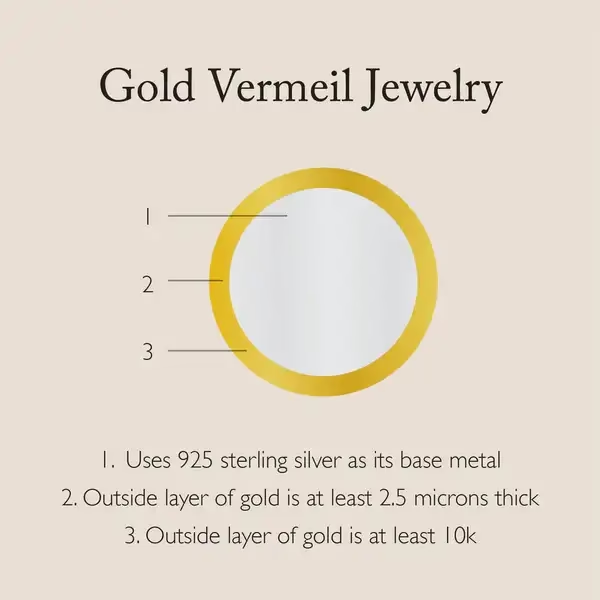
Gold vermeil jewellery consists of a solid sterling silver base coated in a thick layer of genuine gold. To qualify as true vermeil, the gold must be at least 10 karats in purity and 2.5 microns thick, making it far more durable and valuable than standard gold-plated pieces.
UK standards for gold vermeil: In the UK, the term “vermeil” isn’t as formally defined in law as it is in the US, but there are clear guidelines for describing gold-plated silver jewellery. According to the British Hallmarking Council, if you call something gold vermeil you must also explicitly describe it as “gold-plated silver” in the item description. The gold used should be of at least 9 carat purity (which is 375 parts per thousand gold) to legally label it as gold-plated, and typically vermeil uses even higher purities like 14k, 18k or 24k for a richer color. There’s also an understanding that vermeil has a heavier gold coating than ordinary plating, usually around or above that 2.5 micron standard. (Interestingly, UK hallmarking guidance notes that gold plating on silver is generally not expected to exceed ~2 microns, but vermeil by definition goes a bit beyond this, reflecting its status as a premium product.) In practice, reputable jewellers selling “gold vermeil” in the UK will ensure the piece is sterling silver underneath and has a thick, high-quality gold plating. They may label it as “18ct gold plated silver (vermeil)” or similar, to be fully transparent per regulations.
So, gold vermeil = sterling silver base + thick gold overlay. Because of this makeup, vermeil jewellery is entirely made of precious metals, which is why it’s regarded as superior to standard gold-plated fashion jewellery. You get the appearance of solid gold and the intrinsic value of silver, without the cost of a full solid gold piece. It’s also more hypoallergenic, silver and pure gold are generally well-tolerated by sensitive skin, whereas cheaper gold-plated jewellery often uses nickel, brass or other alloys that can irritate skin. Many consider vermeil the sweet spot for fine jewelry on a budget: it offers the luxury look, durability, and quality of fine materials, yet is much more affordable than solid gold.
Gold vermeil isn’t a new invention of modern jewelers; it has a long heritage. The technique of fire-gilding silver (an old method using gold and mercury) was used in 18th-century France to create gilded silver pieces for royalty. The opulent French decor and jewellery of that era often featured vermeil, silver objects with rich gold surfaces, as a status symbol. Today’s vermeil is produced with safe modern electroplating methods, but the result is the same idea: gorgeous gold exterior with solid silver underneath, a tradition of craftsmanship that delivers both beauty and value.
Does Gold Vermeil Wear Off?
Eventually, yes, the gold layer on gold vermeil can wear off with time and use, but it’s a slow process. One of the big advantages of vermeil is that the gold coating is much thicker than normal plating, so vermeil jewellery does not “rub off” quickly or easily. With everyday wear over years, you may notice the gold finish gradually getting lighter or thinner in high-contact areas, but it typically takes a long time before the silver base metal becomes visible. In contrast, cheaply gold-plated jewellery (with a micro-thin gold flash) might start showing its base metal after only a few weeks or months of wear, gold vermeil is built to last far longer.
Exactly how and when vermeil wears off will depend on the piece and how you wear it. Friction is the biggest factor: if you have a gold vermeil ring that you wear daily, it’s constantly rubbing against your skin and any surfaces you touch. Over years, this mechanical wear can erode the microscopic layers of gold atoms, little by little. Areas like the underside of rings or the clasp of a bracelet might start to fade first since they get the most contact. Jewellery like earrings or pendants, which don’t rub as much, will retain their gold layer much longer without wearing off. Everyday abrasion, from clothing, skin, or even polishing, slowly thins the gold layer. Eventually, the sterling silver underneath may peek through on the highest-wear spots, appearing as a slight silvery tint or patch. This is the sign that the vermeil’s gold is wearing off.
It’s important to emphasise that with gold vermeil, this wearing process usually takes years. The standard for vermeil (2.5 microns of gold) is about five times thicker than the 0.5-micron plating on average fashion jewellery. Some high-end vermeil might even have 5 microns or more of gold. So, if a thinly plated necklace might lose its gold colour in 6 months, a similar vermeil necklace could last many times that before any wear is noticeable. One source notes that with heavy daily use, gold vermeil might last several years before it begins to fade, and with occasional use it can stay golden for decades.
You can also slow down the wear. Simple precautions like removing your vermeil rings before doing rough manual work, avoiding wearing bracelets next to metal watch bands (to prevent constant rubbing), and storing pieces separated so they don’t scratch each other, will all help preserve the gold layer longer. Many people rotate their jewellery, which gives vermeil pieces “rest days” and greatly extends their life.
What happens when the gold does wear off? Since the base is sterling silver, the exposed parts will look like silver. Some people don’t mind the two-tone look if it’s subtle (it can give a vintage vibe), but if you prefer the full gold appearance, you have options: a jeweller can re-plate the piece with gold, effectively rejuvenating it. Because it’s sterling silver underneath, it’s straightforward to add a new gold vermeil layer once the old one wears thin. This means vermeil jewellery can literally last a lifetime, the silver won’t degrade, and the gold can be refreshed as needed.
In summary, gold vermeil will wear off only after a long period of normal use, and even then it’s often limited to certain spots. With good care and mindful wear, you’ll enjoy your vermeil jewellery’s golden shine for a very long time before any maintenance is required. It’s one reason gold vermeil is prized: you get both the beauty and the longevity.
How Long Does Gold Vermeil Last?
Gold vermeil jewellery can last for many years, even decades, with proper care. There’s no fixed “lifespan” for vermeil, because it largely depends on how the piece is worn and looked after. However, thanks to its thick gold layer and sturdy silver base, vermeil is known to be much longer-lasting than standard plated jewellery. In fact, with occasional wear and good maintenance, a gold vermeil item can stay beautiful for a very long time, potentially a lifetime.
Several jewellers note that with the right care, gold vermeil can easily last a decade or more without significant fading. The thick plating is designed to endure. If you only wear a vermeil pendant on special occasions, for example, you might find that even 20 years later it looks almost as rich in colour as when you bought it. On the other hand, a gold vermeil ring worn every single day might start to show slight wear after a few years, perhaps 2–3 years for very heavy wear on a ring, or upwards of 5 years if you’re a bit more careful, which is still excellent compared to most plated jewellery. And remember, even when it “wears out,” it’s the gold layer that’s thinning; the piece itself (the silver core) is still intact and can be re-gilded.
Here are some factors that affect how long gold vermeil lasts:
- Frequency of wear: Daily wear will naturally use up the gold layer faster than occasional wear. Rotating jewellery (not wearing the same piece every single day) can dramatically extend its life.
- Contact with skin and environment: High contact pieces like rings and bracelets wear faster. Also, exposure to sweat (which is slightly salty/acidic), shower water, pools, etc., can slowly erode or dull the gold. Taking off jewellery during exercise, showering, swimming, and cleaning will help it last longer.
- Thickness and karat of gold layer: All vermeil meets a minimum thickness, but some brands apply thicker plating (e.g. 5 microns or more). A thicker gold layer obviously takes longer to wear through. Also, higher-karat gold (18k or 22k) has less alloy content, meaning fewer reactive metals that might tarnish or corrode, potentially giving a more stable long-term finish. However, high-karat gold is softer, so there’s a trade-off between hardness and purity for durability. Many find 14k–18k vermeil strikes a good balance for lasting wear.
- Maintenance and storage: If you clean your vermeil jewellery gently and regularly, and store it in a dry, dark place (like a soft pouch or lined jewellery box) when not in use, you prevent tarnish and damage that can shorten its life. Neglected jewellery that’s tossed around or exposed to the elements will age faster.
It’s worth noting that tarnish is often the first issue you’ll see long-term, rather than the gold fully wearing off. Over a very long time, tiny bits of silver may start to oxidise through the gold layer (especially if the gold has thinned in spots). This can make a piece look a bit dull. Fortunately, as mentioned earlier, you can polish off mild tarnish. If a vermeil piece is decades old and has lost too much of its gold colour, you can have it professionally replated and it will look brand new again. The underlying sterling silver structure can truly last for generations.
In essence, gold vermeil is a great investment if you want jewellery that will last. You get longevity similar to solid precious metal pieces at a lower cost. Many owners of gold vermeil report wearing their favourite pieces for years with minimal change in appearance. Just treat it with a little TLC, and your vermeil jewellery will reward you with a long life of shine.
How To Clean Gold Vermeil?
Cleaning gold vermeil at home is simple and safe, the key is to use gentle methods. You want to remove oils, dirt, and any tarnish without rubbing off or scratching the gold layer. The safest way to clean vermeil is by hand with mild soapy water and a soft cloth. Avoid harsh chemicals, abrasives, or vigorous scrubbing, as those can damage the gold plating. Here is a step-by-step guide to clean your gold vermeil jewellery and keep it looking its best:
- Prepare a mild cleaning solution: Fill a small bowl with lukewarm water and add a few drops of mild dish soap (a gentle, non-toxic soap is best). Mix it to create a sudsy solution. Tip: Do not use any cleaner that contains harsh chemicals like ammonia, bleach, or strong detergents, these can strip or dull the gold. A simple diluted dish soap works perfectly.
- Soak (briefly) and gently wipe: Place your gold vermeil piece in the bowl and let it soak for about 30 seconds to a minute. Soaking helps loosen any dirt. Do not leave it for too long, especially not more than a few minutes (prolonged soaking isn’t necessary and could potentially start affecting the metal if the water is not clean). After the brief soak, take a soft, lint-free cloth (or a very soft baby toothbrush) and dip it in the soapy water. Gently wipe the jewellery’s surface. If using a brush, use only light pressure to get into crevices, do not scrub aggressively. You should see makeup, skin oils, or grime coming off onto the cloth. This gentle cleaning lifts away contaminants without scratching the gold.
- Rinse thoroughly: After cleaning, rinse the piece under clean lukewarm water (or in a second bowl of clean water). Make sure to wash off all soap residue. Soap left behind can leave a film that dulls the shine. Important: When rinsing small items, do it over a container or use a strainer – you don’t want jewellery going down the drain by accident!
- Dry completely: Pat the jewellery dry with a soft, dry cloth. Drying is crucial, make sure you remove all moisture because any water left sitting on the piece could lead to tarnish spots on the silver. It helps to let the piece air dry for a few minutes after patting, just to be sure no crevices are damp. (Do not use tissues or paper towels, as these can be abrasive and may scratch the gold layer.)
- Polish lightly (if needed): If your gold vermeil still looks a little dull or has minor tarnish, you can buff it gently with a jewellery polishing cloth designed for gold or silver. A soft microfibre cloth can also restore shine. Do not use any abrasive polishing creams or strong silver polish liquids on vermeil, those are too harsh for the gold layer. Instead, a gold polishing cloth will remove light tarnish without stripping the plating. Gently rub the piece in one direction with the cloth to bring back its sparkle.
- Store it properly: After cleaning and fully drying your gold vermeil, store it in a cool, dry place. Ideally, keep it in a soft pouch or jewellery box where it’s not exposed to air and humidity. An anti-tarnish pouch or a small zip-lock bag can slow down any tarnishing when the piece is not being worn. Also, store vermeil pieces separately from harder jewellery (like steel or solid gemstones) to avoid scratching the gold surface.
By following these steps, you can safely clean your gold vermeil jewellery at home. Regular light cleaning is better than infrequent deep cleaning. After each wear, you might simply wipe the piece with a clean cloth to remove skin oils and sweat, this little habit can prevent buildup and tarnish, meaning you’ll need to do a “deep” clean less often. Perhaps give your often-worn vermeil jewellery a quick clean every month or two, and more rarely worn pieces a gentle clean a few times a year.
One reassuring point is that cleaning gold vermeil gently will not damage it. The gold layer is thick enough to handle occasional cleaning, as long as you avoid rough treatment. Just remember: gentle soap, soft cloth, no harsh chemicals. This method will keep both the gold and the silver underneath happy. If you ever encounter heavy tarnish or you’re unsure, you can take the piece to a professional jeweller for cleaning, they’ll know how to polish it up without harm. But for routine home care, the steps above are usually all you need to maintain your gold vermeil’s beautiful shine.
Frequently Asked Questions
Does gold vermeil tarnish?
Yes, gold vermeil can tarnish over time, though it happens much more slowly than standard gold-plated jewellery. Gold itself does not tarnish, but the sterling silver core can oxidise when exposed to air, moisture or chemicals. This may cause slight dullness or dark spots. Regular gentle cleaning, keeping your jewellery dry and storing it in airtight conditions helps prevent tarnish and keeps gold vermeil bright for years.
What is gold vermeil?
Gold vermeil is jewellery made from sterling silver coated with a thick layer of real gold. To qualify as true vermeil, the gold must be at least 10 karats and 2.5 microns thick. This makes it more durable and valuable than ordinary gold plating. Gold vermeil offers the luxurious appearance of solid gold at a lower cost and is considered fine jewellery because it uses only precious metals.
Does gold vermeil wear off?
Yes, gold vermeil can wear off gradually with years of regular use. The thick gold layer (at least 2.5 microns) protects the sterling silver core, but friction, water and chemicals can eventually thin the gold. High-contact pieces like rings wear faster than necklaces or earrings. Proper care, such as removing jewellery before bathing or exercising, helps gold vermeil last significantly longer before any fading or exposure of silver occurs.
Does gold vermeil fade?
Yes, gold vermeil can fade slowly over time, particularly if exposed to water, sweat or perfume. The fading occurs as the outer gold layer thins, causing a lighter or less lustrous appearance. Because vermeil uses a thicker gold coating than typical plating, fading is gradual and often minimal for many years. Occasional gentle cleaning and careful storage help restore shine and maintain the rich gold colour.
How long does gold vermeil last?
Gold vermeil can last for many years, even decades, with good care. Its lifespan depends on wear and maintenance, but it generally outlasts standard gold plating by a wide margin. Occasional pieces can stay beautiful for over ten years, while daily-worn items may show signs of fading after a few. Storing jewellery properly, avoiding moisture and cleaning gently can help your gold vermeil last far longer.
What does gold vermeil mean?
Gold vermeil means sterling silver that has been coated with a thick layer of real gold. The term originates from French, meaning “gilded silver.” To meet vermeil standards, the gold must be at least 10 karats and a minimum of 2.5 microns thick. This combination of precious metals makes gold vermeil an affordable alternative to solid gold jewellery with similar appearance, quality and long-lasting value.
Is gold vermeil worth it?
Yes, gold vermeil is worth it if you want long-lasting, high-quality jewellery without the high cost of solid gold. It combines sterling silver and thick gold plating, offering real precious metal value and excellent durability. Gold vermeil won’t tarnish or fade quickly and maintains a luxurious gold appearance for years. For most buyers, it provides exceptional quality and beauty at an affordable price point.
Is gold vermeil waterproof?
Gold vermeil is not fully waterproof. While brief contact with water won’t ruin it, frequent exposure can dull its shine or cause tarnish as moisture reaches the silver beneath. Wearing vermeil in the shower, pool or sea can accelerate fading. It’s best to remove jewellery before swimming or bathing. Keeping gold vermeil dry helps preserve its brilliance, ensuring it lasts longer and maintains its golden finish.
Is gold vermeil good?
Yes, gold vermeil is considered very good quality jewellery. It uses a solid sterling silver base coated with a thick layer of genuine gold, making it far superior to cheap gold-plated pieces. The materials are both precious metals, which gives vermeil its rich look, durability and weight. With the right care, gold vermeil maintains its luxurious appearance and remains a reliable, high-quality choice for fine jewellery lovers.
Is gold vermeil hypoallergenic?
Yes, gold vermeil is hypoallergenic for most people. Because it’s made only from sterling silver and gold, it’s generally free from nickel and other common irritants found in cheaper alloys. This makes it safe for sensitive skin and ideal for daily wear. Unless you have rare allergies to silver or gold, gold vermeil is a skin-friendly, non-reactive option that won’t cause itching or green marks.
Is gold vermeil durable?
Yes, gold vermeil is highly durable thanks to its thick layer of gold over a strong sterling silver core. It withstands daily wear much better than standard gold-plated jewellery, which uses thinner coatings and base metals like brass. Although vermeil can gradually wear over years, careful handling and cleaning will help it retain its finish. It offers impressive longevity, making it ideal for everyday and special occasion wear.
Is gold vermeil good quality?
Yes, gold vermeil is excellent quality jewellery made entirely from precious metals. It has a sterling silver base and a thick layer of gold, usually 2.5 microns or more, giving it a rich tone and durability close to solid gold. Vermeil resists tarnish, feels substantial, and maintains its shine for years. It’s regarded as fine jewellery, offering exceptional quality, craftsmanship and lasting beauty at an affordable price.
Interested in selling gold with the UK’s highest paying gold buyer? Visit our Sell Gold page to get a competitive valuation – we provide fully insured postage and fast payment.
For more insights and the latest gold price today, keep an eye on our live charts and blog updates.





