Does Gold Vermeil Wear Off?
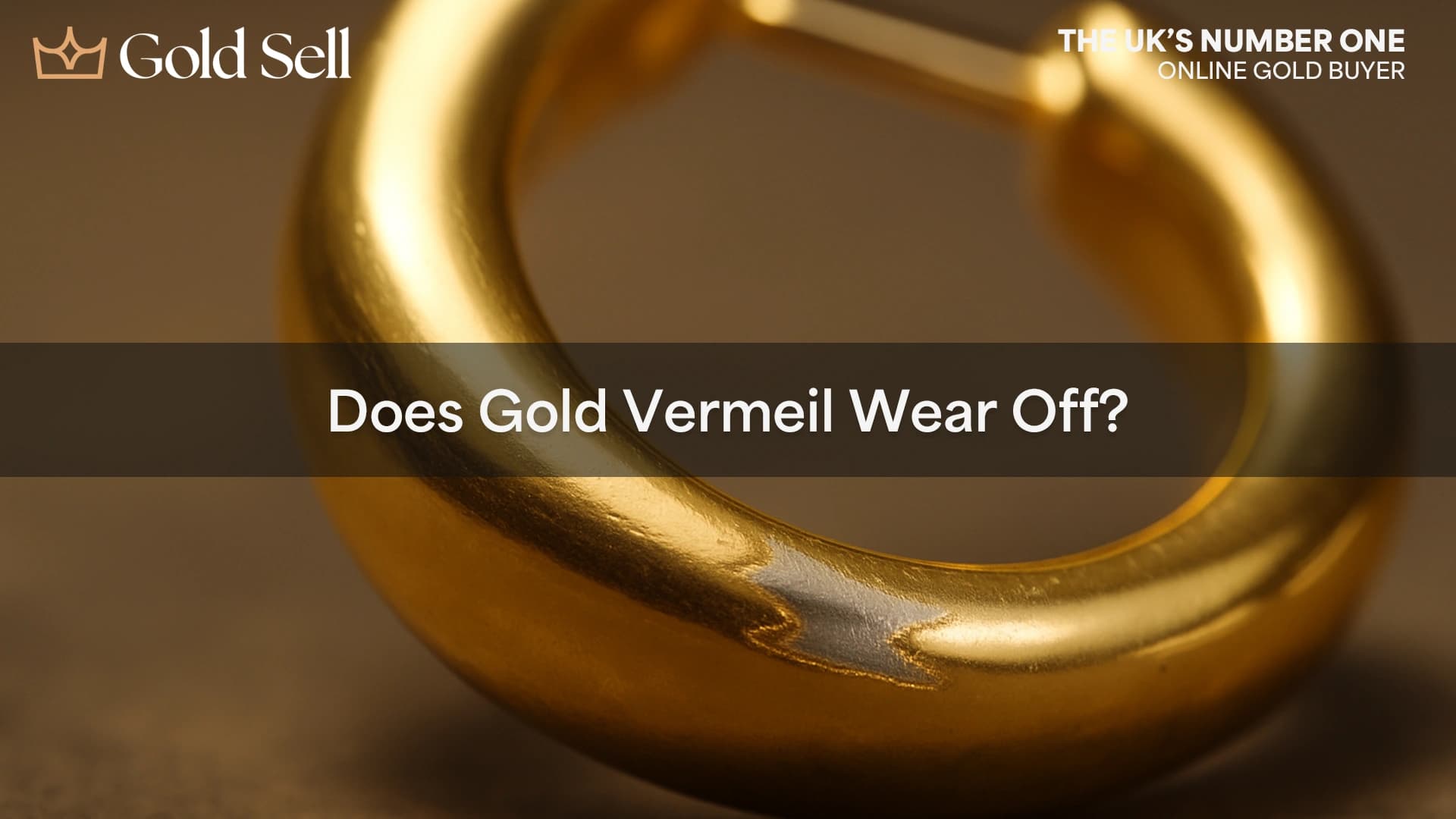
Gold vermeil is durable gold-plated silver jewellery – and yes, its gold layer can eventually wear off after many years of use. However, with proper care you can enjoy gold vermeil pieces for a long time before any fading or tarnish becomes noticeable. In this post, we’ll explain exactly what gold vermeil is, how long it lasts, and how to care for it, plus answer all your burning questions about wearing and comparing vermeil.
Key Takeaways
- Gold vermeil can wear off: The thick gold layer on vermeil will wear down over time, but this usually takes years of normal use. Proper care can stretch its lifespan.
- Tarnish is possible: Vermeil jewellery can tarnish slightly because of its sterling silver core, but it tarnishes much slower than cheap gold-plated pieces and any darkening can be polished off.
- No green skin: High-quality vermeil does not turn your skin green – the sterling silver base and real gold plating mean no pesky green stains (that green comes from copper in cheap alloys).
- Water exposure: Avoid getting vermeil very wet. Occasional contact (like hand-washing) is okay, but don’t wear gold vermeil in the shower or pool regularly – it can dull the finish over time.
- Worth it: Gold vermeil offers excellent value – you get the look of solid gold at a fraction of the cost. It’s more durable and hypoallergenic than standard gold plating, making it a smart mid-range choice.
What Is Gold Vermeil?
Gold vermeil (pronounced ver-may) is a term for high-quality gold-plated silver jewellery. By definition, a vermeil piece has a base of sterling silver coated with a thick layer of real gold. How thick? At least 2.5 microns of gold plating (about 5 times thicker than ordinary gold plate) is the industry standard. The gold used must be relatively high purity (10 karat or higher) and is typically applied via electroplating over the silver base.
Importantly, vermeil uses only precious metals – the core is sterling silver (92.5% pure silver), and the outer layer is real gold. This sets it apart from typical gold-plated jewellery which often uses cheap base metals like brass or copper with an ultra-thin gold wash. Because of the thicker gold layer and quality base, vermeil jewellery has a finish that lasts longer and looks richer.
In the UK, the term “vermeil” isn’t separately regulated by law – it’s usually described simply as gold-plated silver for trade descriptions. Reputable UK jewellers adhere to the same standard used in the U.S. and elsewhere: at least 2.5 microns of gold over sterling silver, to call an item gold vermeil. (French regulations are even stricter – France requires vermeil to have a minimum 18 karat gold of 5 microns thickness over silver!) You’ll often see UK vermeil pieces stamped with “925” (the hallmark for sterling silver), indicating the precious metal content. In short, gold vermeil = sterling silver + thick gold plating, which creates a luxurious look without the cost of solid gold. For a deeper dive into the types of gold used in vermeil, how it compares to other gold jewellery, and what makes it unique, check out our full guide on what gold vermeil is and how it compares to other types of gold jewellery.
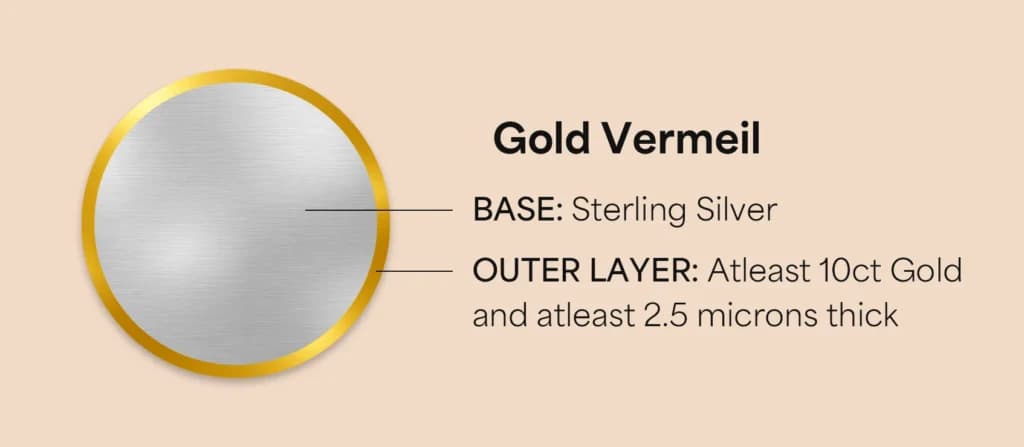
This visual shows how gold vermeil is made, with a sterling silver core and a thick outer layer of real gold. It’s this combination that gives vermeil its rich appearance and superior quality compared to standard gold-plated jewellery.
Does Gold Vermeil Wear Off?
Yes – gold vermeil can wear off eventually, but not quickly. Because vermeil’s gold layer is quite thick, it doesn’t rub away in a few wears like standard gold plating might. With normal use, you can enjoy vermeil jewellery for many years before any silver starts peeking through. The gold layer is literally five times thicker than typical plated jewellery, which is why it holds up so well.
That said, no plating lasts forever. If you wear a vermeil ring every single day, over the years you might notice edges of the ring lightening as the gold finish thins. High-friction pieces like rings and bracelets (which rub against skin or surfaces) will lose their gold plating faster than, say, earrings or pendants. Improper use accelerates wear: wearing vermeil at the gym, in rough manual work, or exposing it to abrasives/chemicals can cause the gold layer to erode sooner.
The good news is that with proper care, vermeil’s gold layer can last many years before wearing off. Many people report their vermeil pieces still look golden after 5+ years. In the next section, we’ll talk about how long you can expect gold vermeil to last and what you can do to prolong its life.
How Long Does Gold Vermeil Last?
When cared for, gold vermeil jewellery can last a surprisingly long time – often several years to decades of wear. The exact lifespan depends on a few factors: how thick the gold layer is, how often you wear the piece, and your maintenance habits. For example, a well-made 18k gold vermeil necklace that you wear occasionally and keep dry could look great 10+ years down the line. On the other hand, a 10k vermeil ring that you never take off (even in the shower or at the gym) might start fading after a couple of years.
On average, you can expect at least 2-5 years of regular wear before a gold vermeil item shows noticeable wear. Many pieces will last much longer. Monica Vinader (a respected jeweller) even notes that their vermeil pieces “endure frequent wear for years to come” thanks to the thick gold plating. In essence, vermeil is built to last – it’s not the kind of costume jewellery you throw away after one season.
How To Make Gold Vermeil Last Longer
Your own habits are key to maximising how long vermeil lasts. Here are some practical tips to make your gold vermeil last longer:
- Put jewellery on last: Make vermeil the finishing touch after you’ve applied any lotions, perfumes, hairspray, or makeup. Chemicals in those products can speed up tarnish or wear on the gold. As a rule, avoid direct contact with cosmetics or cleaning chemicals on your vermeil.
- Avoid water and sweat: Water itself won’t destroy vermeil, but constant moisture will dull it. Remove vermeil pieces before showering, swimming, or intense workouts that make you sweat. Occasional splashes are fine – just dry the item afterwards.
- No rough handling: Don’t wear vermeil for manual tasks like gardening, dishwashing, heavy lifting, or at the gym. Friction and knocks can wear down gold plating. Take rings off before lifting weights; remove bracelets before typing all day on a laptop, etc.
- Store it properly: When you’re not wearing your gold vermeil, keep it in a dry, airtight place (like a ziplock bag or a jewellery box with anti-tarnish lining). This prevents unnecessary exposure to air and humidity that can cause tarnish. Storing each piece separately also avoids scratching.
- Clean gently and regularly: Every now and then, give your vermeil a wipe with a soft jewellery cloth to remove skin oils and dirt. If it looks a bit dull, you can use mild soapy water and a soft toothbrush to clean it, then rinse and pat dry. Keeping the surface clean will maintain its shine and slow any tarnish buildup.
By following these habits, you’ll significantly extend the life of your gold vermeil. Many owners who take care of their vermeil find it lasts for many years without needing any replating or touch-ups. For a simple step-by-step guide on how to clean gold jewellery, check out our blog post which explores easy, at-home methods to clean your gold jewellery without causing any damage.
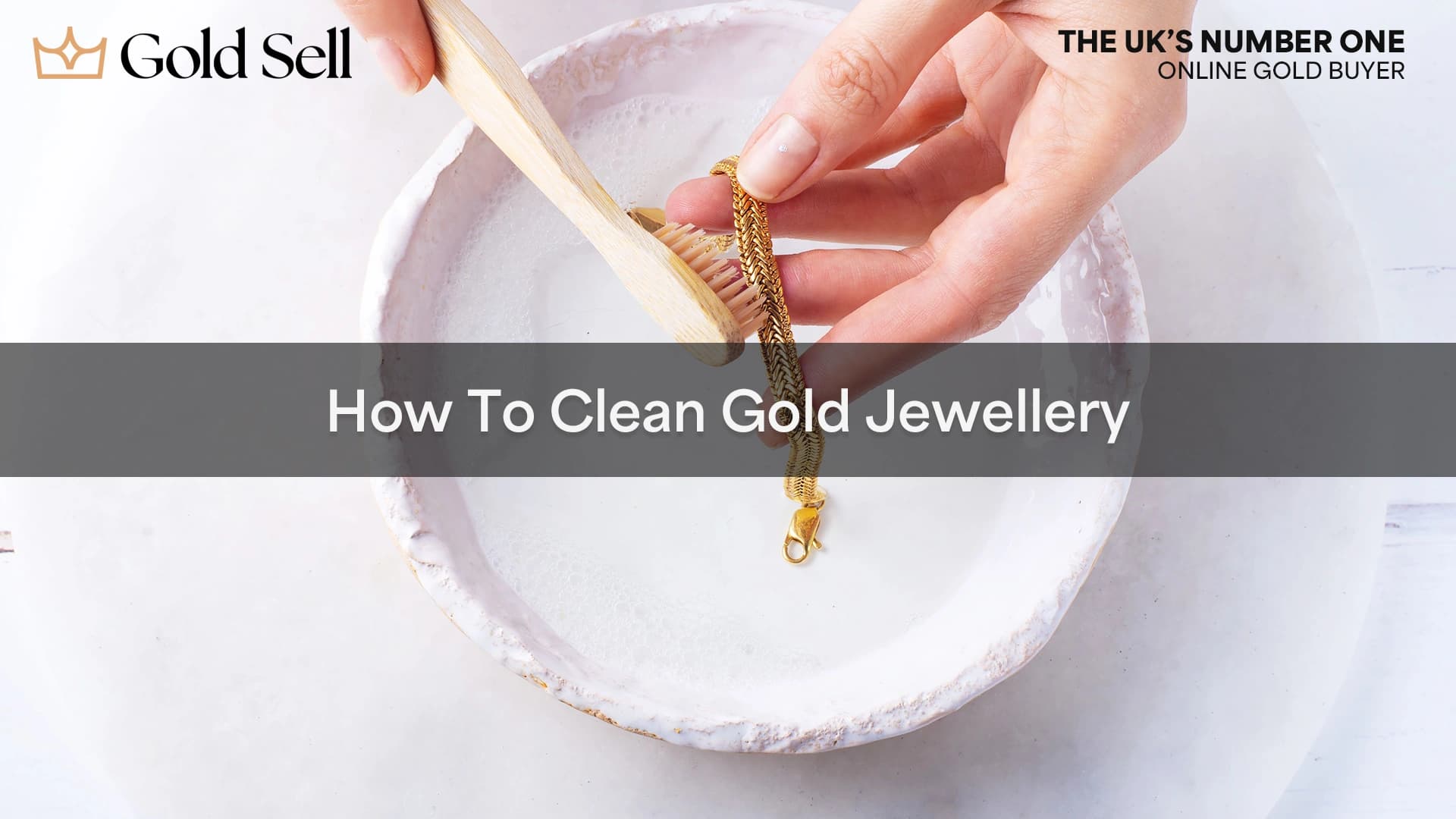
Discover easy tips on how to clean gold jewellery at home safely using simple household products. Restore shine and keep your gold jewellery sparkling!
Does Gold Vermeil Tarnish?
Because gold vermeil has a sterling silver core, yes, it can tarnish over time – though not as quickly or severely as lower-quality jewellery. Tarnishing is a chemical reaction that causes metals to dull or discolour when they react with oxygen, moisture, or chemicals in the environment. In silver, tarnish typically shows up as a thin layer of darkening (brown, grey, or black) on the surface. Pure gold, on the other hand, doesn’t tarnish. So what does that mean for gold vermeil?
- The gold layer doesn’t tarnish: The outer layer of a vermeil piece is real gold, which is highly inert. If high-karat gold (like 18k) is used, it’s very resistant to tarnish or colour change. So you generally won’t see the gold part of vermeil changing colours.
- But the silver underneath can tarnish: Vermeil’s core is sterling silver, and silver does tarnish when exposed to air and chemicals over time. With vermeil, the thick gold plating shields most of the silver from air, slowing any tarnish. However, at thin edges, joins, or if the gold layer wears thin in spots, the underlying silver can begin to oxidise and show dark tarnish.
In practice, gold vermeil tarnishes far less than standard gold-plated jewellery. Cheap gold-plated pieces often have copper or brass bases, which tarnish and corrode easily once the flimsy gold layer rubs off. Sterling silver tarnishes more slowly and in a more controllable way. Linjer explains that vermeil’s silver core is “much less susceptible to tarnish than copper-based jewellery, brass-based jewellery or jewellery that contains nickel”. In other words, your vermeil might eventually get a bit dull, but it won’t turn into a funky green or brown mess like a $5 fake-gold ring might.
Preventing tarnish: The best way to avoid tarnish on vermeil is by keeping it dry and clean (as noted in our care tips). Tarnish is accelerated by humidity, sweat, perfumes, and lotions. So if you keep your vermeil away from those and store it properly, you may hardly see any tarnish at all. If you do notice a slight dark tinge on a piece, don’t panic – tarnish can be easily polished off. A few swipes with a jewellery polishing cloth or a quick clean with mild soap will restore the shine. Unlike rust, tarnish only affects the surface and doesn’t damage the underlying metal.
Does Gold Vermeil Fade Or Turn Green?
People often ask whether vermeil will fade or lose its colour over time. The gold colour of vermeil will remain as bright as ever unless the plating wears off. The gold layer itself doesn’t fade or change – it’s real gold, so it will stay gold-coloured. However, after many years you might notice your piece looks a bit lighter in colour not because the gold dulled, but because some of it wore away, allowing the silver beneath to faintly show through. This gradual lightening could be considered “fading.” Essentially, if a vermeil piece appears to fade, it’s a sign the gold layer has thinned in areas.
A related concern is the dreaded green discolouration some jewellery leaves on skin. So, does gold vermeil turn your skin green? The answer is generally no. Green stains are usually caused by metals like copper or brass reacting with sweat and oils to form green copper carbonate (verdigris). Vermeil is made with sterling silver, which is 92.5% silver and only 7.5% copper – and importantly, that silver is covered by gold. You’re not exposing bare copper alloys to your skin like with cheap fashion jewellery. As one jeweller notes, “Gold vermeil does not turn your finger green. The green hue that cheap jewellery can leave on your finger is usually from an abundance of copper in a metal alloy”. Because vermeil uses precious metals, it virtually never gives green marks. Unless a vermeil piece is very poorly made or the gold plating has completely worn off (exposing some copper in sterling silver, which is rare and typically shows as black tarnish rather than green), you shouldn’t experience green discolouration. So you can wear vermeil with confidence that it won’t cause that tell-tale “green finger.”
In summary, gold vermeil doesn’t really fade or change colour in normal conditions. Its shine might dull if it tarnishes a bit (which is easily fixed), and its gold layer might gradually wear thinner over many years of use. But you won’t see it turning strange colours. And if you keep it clean, your vermeil’s golden glow will stay vibrant for a very long time.
Can Gold Vermeil Be Replated?
Yes – one of the great things about gold vermeil is that it can be replated to restore the gold layer if it does wear off or get damaged. Jewellers and specialised services offer replating (also called “revermeiling”) where they clean the piece and then electroplate a fresh layer of gold onto the silver. This can make an old faded vermeil item look like brand new again.
If after years your favourite vermeil necklace has lost some of its lustre, you can take it to a jeweller for re-plating rather than retiring it. The cost of replating is typically reasonable (much cheaper than buying a new piece of solid gold jewellery). One jeweller on a forum explained that “replating will make it look as good as new and keep the gold surface intact”. They also advise trying a gentle polish first in case it’s just tarnish, but if the gold layer is truly worn, replating is the solution.
How often might you need to replate? Most people won’t need to replate vermeil for many years, if ever, especially if the piece is not worn daily. But for a heavily worn item, you might consider replating maybe every 5-10 years to refresh its golden coat. Replating can also be useful if a piece gets scratched or if you want to change its gold tone (for example, plating with rose gold instead of yellow gold).
Do note that replating should be done by a professional to ensure the piece is properly prepped and the correct thickness of gold is applied. But overall, the ability to replate means gold vermeil jewellery can literally last a lifetime – you can always rejuvenate it if needed.
Can Gold Vermeil Get Wet?
A common question is whether it’s okay to wear gold vermeil in the shower or while swimming. Gold vermeil can handle getting wet occasionally, but it’s not waterproof jewellery and you should minimise exposure to water.
Normal water (plain tap water) won’t instantly ruin vermeil – if you forget to take off a vermeil ring before washing your hands, don’t worry. The piece will be fine; just dry it off afterwards. However, prolonged or repeated water exposure can cause the vermeil to dull or tarnish faster. Here’s why: water (especially hot water and water with soaps or chlorine) can speed up chemical reactions with the silver underneath, leading to tarnish. It can also deposit minerals or chemicals on the metal’s surface that make it look less shiny over time.
If you consistently shower with a gold vermeil necklace on, you’ll likely notice it losing some shine. Chlorine in pools or salt in seawater are particularly harsh – they can slowly eat away at the gold layer or cause discolouration. Sweat is another form of moisture to consider; while a bit of sweat during normal wear is fine, working out hard (and sweating a lot) with your vermeil jewellery on can contribute to tarnish or plating wear over time.
So, can you wear gold vermeil in the shower? Technically yes – it won’t dissolve or anything – but it’s not recommended as a regular practice. An occasional shower or swim with a vermeil piece on won’t destroy it immediately, but it will shorten its lifespan in the long run. If it does get wet, dry it promptly. Gently pat it with a soft towel to remove moisture. And avoid soapy water on it; soap residue can make it look dull.
In short, keep your gold vermeil dry whenever possible. Remove rings or bracelets before washing dishes, take off that vermeil chain before hitting the pool, and try not to wear your vermeil jewellery in the shower daily. Treat it a bit more carefully than solid gold if you want it to stay gleaming. Your vermeil will thank you by staying tarnish-free and shiny much longer!
Is Gold Vermeil Worth It?
If you’re looking for that sweet spot between quality and affordability in jewellery, gold vermeil is absolutely worth it. It offers the luxurious appearance of solid gold jewellery without the sky-high price tag. Here’s why many consider it a smart buy:
- High-end look, mid-range price: With its thick layer of 14k-18k gold, vermeil looks indistinguishable from solid gold to the casual observer. You get the same rich colour and lustre. The difference is you’re paying a fraction of the cost because underneath it’s silver, not full gold. For those on a budget, vermeil allows you to wear large gold-looking statement pieces or trendy designs that would be prohibitively expensive in 100% gold. As one jewellery expert notes, “it has the same luxurious appeal as items made from pure gold” without the hefty cost.
- Better quality than regular gold plate: Vermeil isn’t “cheap” jewellery. The base is precious metal, and the gold layer is thick. So you’re investing in something that will last. The quality “does not fall far behind solid gold jewellery”. In contrast, a cheap gold-plated piece might flake or discolour in months. Vermeil pieces can become cherished staples that you wear for years.
- Intrinsic metal value: While we wouldn’t call vermeil an investment (it won’t appreciate like solid gold might), it does have some intrinsic value. There’s a chunk of sterling silver in there, and a (thin) layer of real gold. This means if one day you choose to resell or scrap it, you’ll get more back than you would for a brass piece with plating. It’s nice to know that some of your money is in actual precious metal content.
- Hypoallergenic: We’ll discuss this more, but vermeil is typically nickel-free and safe for sensitive skin due to the silver and gold construction. You’re less likely to have allergic reactions compared to random cheap metal jewellery.
Ultimately, gold vermeil gives you the best of both worlds – the beauty and durability of gold, and the affordability of silver. It’s an excellent middle-ground for those who want fine jewellery quality without paying for solid gold. From an everyday wear standpoint, you can confidently choose vermeil for pieces like hoops, layering necklaces, or trendy rings and know you’ve made a solid choice. Most owners would agree that vermeil jewellery is well worth the money.
Gold Vermeil vs Gold Plated
How does gold vermeil compare to ordinary gold-plated jewellery? Here’s a quick breakdown:
- Composition: Gold vermeil must have a sterling silver core with a thick gold coating (≥2.5 microns). Gold plated jewellery can use any base metal (often brass, copper or stainless steel) and usually has a very thin gold layer (often 0.5 microns or less). In short, vermeil = silver + thick gold; regular plating = random metal + whisper of gold.
- Durability: Because of its thicker plating and sturdy silver base, vermeil is far more durable than standard gold plated jewellery. Vermeil can withstand everyday wear without rubbing off for years. Standard gold plated pieces tend to wear off or fade quickly, especially if worn 24/7 or exposed to water/chemicals. Vermeil’s gold layer is about 5x thicker, so it doesn’t scratch away easily.
- Cost: Gold plated jewellery is typically the cheapest type of “gold” jewellery – it uses a tiny amount of gold and cheaper metals, so it’s very budget-friendly. Gold vermeil costs a bit more than basic plated jewellery because of the silver content and extra gold thickness, but it’s still much cheaper than solid gold. You’re paying for higher quality, and it remains affordable. (Think of it as mid-range: more expensive than gold plated jewellery, less expensive than fine gold.)
- Allergens: Vermeil is generally hypoallergenic. Its base is sterling silver (nickel-free) and it’s plated in gold, so unless the gold alloy has nickel (reputable makers avoid this), it shouldn’t irritate skin. Gold plated jewellery can be hit or miss – many use nickel or brass bases which can cause allergic reactions or skin turning green once the plating wears. If you have sensitive skin, vermeil is the safer choice.
- Value: Vermeil pieces have intrinsic value thanks to their precious metal content. The silver core means even as scrap it’s worth something, and the thick gold adds to the quality. Gold plated pieces with brass or zinc cores have virtually no resale value; the gold is so thin it’s not worth extracting. Vermeil can often be resold or pawned for its silver content, whereas standard plated jewellery usually isn’t worth anything once worn out.
- Tarnish resistance: Vermeil resists tarnish better than cheap plated jewellery. Gold itself won’t tarnish and the silver core tarnishes slowly. Plus, the thicker plating shields the silver from air longer. Cheap gold plate tarnishes quickly because the base (often copper/brass) is exposed through micro-wear or microscopic pores, leading to rapid discolouration. Many plated pieces start to darken or turn green in a few months; good vermeil might not tarnish visibly for years if cared for.
To sum up, gold vermeil is superior to standard gold plating in every way except cost – and even then, vermeil is very reasonably priced for the jump in quality you get. If you’re debating between a vermeil piece and a cheaper gold-plated version, the vermeil is likely to look better and last far longer, making it worth the slightly higher price.
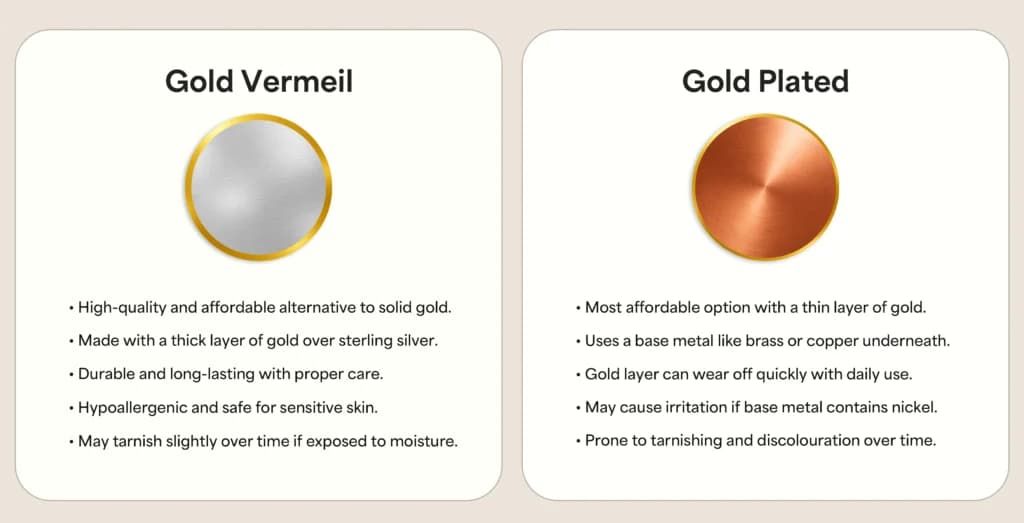
Gold vermeil offers a thicker layer of real gold over sterling silver, making it more durable, hypoallergenic, and longer-lasting than standard gold plated jewellery. While gold plated pieces may be cheaper upfront, they tend to tarnish quickly and wear out with regular use—making vermeil the better long-term investment for quality and everyday wear.
Gold Vermeil vs Gold Filled
Gold filled is another type of gold-layered jewellery that’s often mentioned alongside vermeil. Gold filled (also called rolled gold) is made by mechanically bonding a thick layer of gold to a base metal, rather than electroplating it. Let’s compare gold filled with gold vermeil:
- Composition: Gold filled jewellery has a much thicker gold layer by weight – by law it must contain at least 5% gold by weight (often labeled as 1/20th 12k GF or 14k GF). This gold is bonded to a base metal, typically brass or copper (sometimes silver in rare cases). Gold vermeil, in contrast, is defined by a sterling silver base with gold electroplated on top (minimum 2.5 microns thick). In terms of actual gold content, gold filled pieces usually have more total gold than vermeil pieces, but vermeil’s gold is still relatively thick compared to normal plating.
- Durability: Gold filled is extremely durable – since the gold layer is so thick (perhaps 50-100x thicker than regular plating), it can withstand a lot of wear and often won’t wear through for decades. Vermeil is also very durable for plated jewellery, but generally gold filled might last even longer under heavy daily wear because of the sheer quantity of gold. That said, both gold filled and vermeil are sturdy; you won’t see either wearing off or tarnishing quickly. Vermeil’s durability advantage is its hard silver core (which is strong and can be polished if needed), whereas gold filled’s advantage is the gold layer is so substantial that wearing it off is unlikely.
- Cost: Gold filled jewellery is usually in a similar price range to vermeil. It might be slightly more expensive in some cases because it contains more gold. However, because gold filled often uses a brass core (cheaper than sterling silver), the cost of materials balances out. Gold vermeil prices depend on the silver weight and gold thickness, but they are also quite affordable compared to solid gold. Both gold filled and vermeil are good mid-range options price-wise; you get a lot of the look of gold without paying full gold price.
- Allergens: Both gold filled and gold vermeil are considered hypoallergenic for most people. Vermeil is sterling silver and gold, and neither of those metals typically causes allergies (assuming the gold alloy is nickel-free). Gold filled usually uses a brass core, but since the brass is heavily coated in gold, your skin only touches gold (until maybe many years later if it wears). Most folks with sensitive skin can wear gold filled without issues, just like vermeil. One thing to note: if you have a metal allergy to copper or brass, gold filled is safe so long as the gold layer is intact; if it’s very old jewellery that’s worn down in spots, exposure to the brass could irritate skin. Vermeil’s silver core is beneath gold, and silver is generally fine for sensitive ears/skin. In summary, both are good for sensitive skin, with vermeil having an edge due to the sterling silver base (no nickel) and gold filled having an edge because of the thick gold (also usually no nickel).
- Value: Gold filled pieces have more gold content by weight – at least 5% of the piece is real gold – which can give them a bit more intrinsic value in terms of raw materials than vermeil. However, the gold in gold filled is often lower purity (e.g. 12k or 14k) and the core metal is non-precious (brass has little scrap value). Vermeil pieces have all-precious metal content (silver + gold), so they carry the value of silver plus a tiny amount of gold. In a melt-down scenario, a gold filled item might yield slightly more gold scrap than a vermeil item of equal weight, but both are far less valuable than solid gold. Pawn shops and buyers may value vermeil a bit more than plain plated jewellery due to the silver content, and similarly may value gold filled for its gold content. Neither will fetch high resale prices, but they’re not worthless. Think of it as: gold filled = more gold, but non-precious core; vermeil = less gold, but precious silver core.
- Tarnish resistance: Because gold filled has a thick outer layer of gold, it is very resistant to tarnishing or corrosion – the base metal is sealed under layers of gold and maybe some barrier metals, so it usually doesn’t tarnish externally for a long time. Vermeil’s gold layer also prevents most tarnish, though if the piece has tiny exposed silver areas (like on engravings or if the gold wears at edges), you might see slight silver tarnish. Both materials are quite tarnish-resistant in normal use. Over many years, a gold filled item might eventually show tarnish if the gold layer wears thin and the brass oxidises (brass tarnish can be greenish or dark). With vermeil, after many years you might see some darkening if silver is exposed. In general, neither gold filled nor vermeil tarnishes easily – they’re both far more tarnish-proof than standard plated or costume jewellery. Just keep them dry and clean to maintain that resistance.
Choosing between vermeil and gold filled often comes down to design availability and personal preference. Gold filled is more common in North America and often used for chains and bangles that take a beating, due to its durability. Vermeil is popular for more intricate, fine jewellery pieces and in markets (like the UK/EU) that value sterling silver. Both are excellent options for long-lasting gold-look jewellery without the solid gold price.
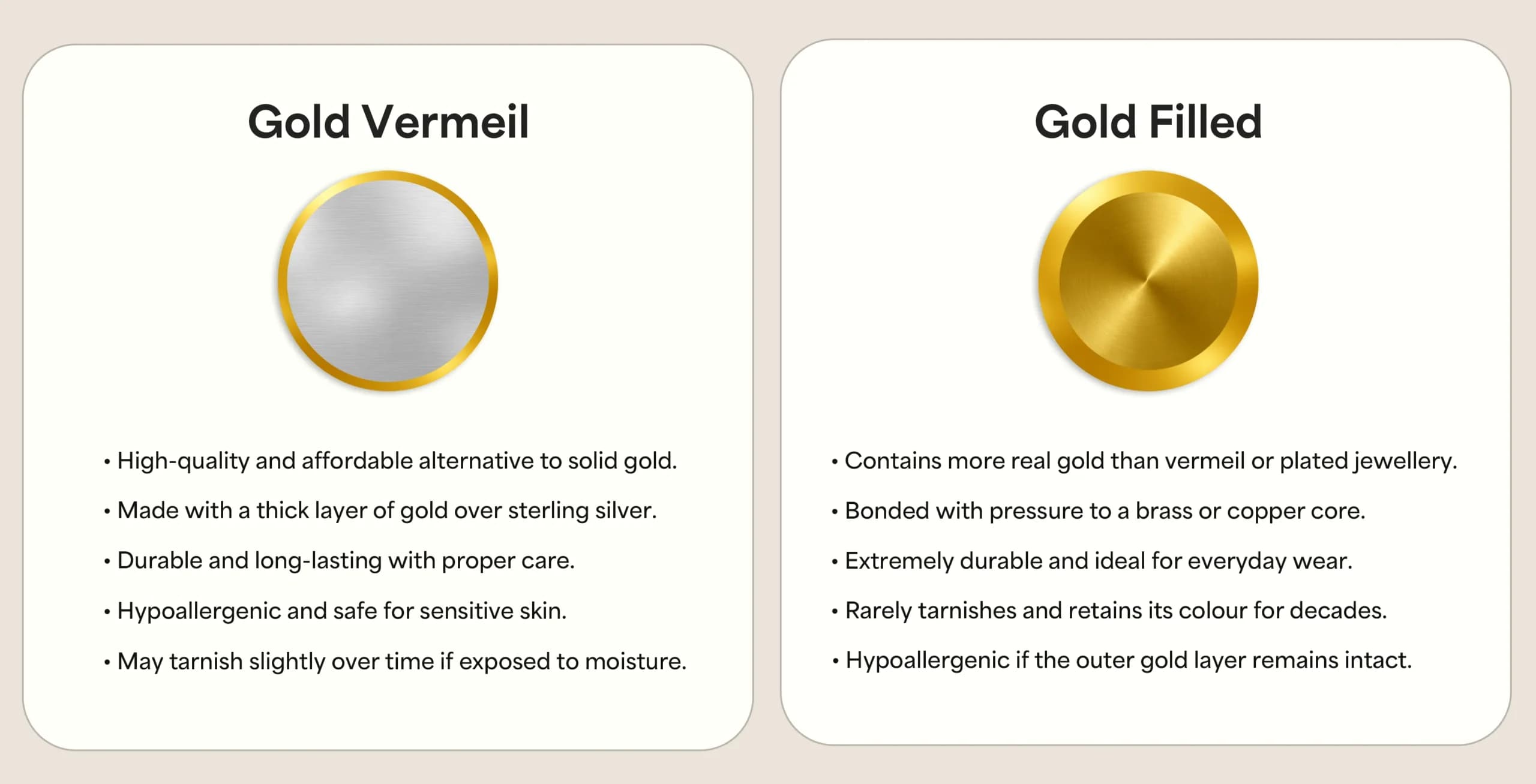
While both gold vermeil and gold filled jewellery offer long-lasting alternatives to solid gold, gold filled typically contains more real gold and is bonded to a brass or copper core. Vermeil, by contrast, is made with sterling silver underneath a thick gold layer, offering a precious metal base that’s hypoallergenic and ideal for fine jewellery lovers.
Is Gold Vermeil Pawnable?
You might wonder if gold vermeil has any resale or pawn value, given it’s not solid gold. The answer is yes, you can pawn or sell gold vermeil, but the payout will be relatively low – mostly based on the piece’s silver content. Pawn shops and gold buyers determine value by the precious metals they can extract. In vermeil, the gold layer is extremely thin in terms of weight, while the sterling silver core makes up the bulk of the metal.
Let’s break it down with real numbers. As of mid-2025, gold is around £2,446 per troy ounce (about £78.6 per gram) and silver is about £26.6 per ounce (~£0.85 per gram). That means gold is roughly 90 times more expensive than silver by weight. However, a gold vermeil piece only has a tiny film of gold on it – often less than 0.05 grams of gold for something like a ring or pendant (2.5 microns thick is 0.0025 millimetres – extremely thin!). The rest of the piece, which could weigh several grams, is sterling silver.
For example, imagine a chunky vermeil bracelet that weighs 20 grams total. The sterling silver core (92.5% of 20g) contains about 18.5 grams of pure silver. At ~£0.85/gram, that’s around £15.7 worth of silver. The gold layer on that bracelet might weigh only perhaps 0.1 gram (estimation; it depends on surface area). Even if it’s 18k gold, 0.1g is worth about £7.8 (since 18k is 75% pure, that’d be ~£5.9 worth of pure gold content at £78.6/g). So altogether, in metals, that bracelet has roughly £20-25 worth of precious metal. A pawn shop will pay a fraction of that (to cover refining costs and profit). You might get, say, £10-15 for it. This is just an illustrative scenario – actual offers vary.
The key point: the thin gold layer in vermeil doesn’t add much melt value. Pawn shops primarily value the silver core, which is why they will accept vermeil as silver jewellery. In fact, by UK rules, sellers often have to label/verbalise vermeil as “gold-plated silver,” which signals to buyers (and pawnbrokers) that the item is essentially a silver item with a gold overlay. So a pawnbroker will usually weigh the piece and pay something close to the silver scrap price for that weight (if the piece is over the hallmarking threshold, it may even have a silver hallmark which helps them identify it as sterling).
Does the design/brand matter? Potentially, yes. If the vermeil piece is from a desirable brand or is a really lovely item, a pawn shop or second-hand jewellery store might pay a bit more than scrap, hoping to resell it as jewellery. But if we’re strictly talking metal value, it’s limited.
In short, gold vermeil is pawnable, but manage your expectations. You won’t get anywhere near what you paid originally, because you paid for craftsmanship and the gold appearance, not just raw metal. Both silver and gold are precious metals and “are pawnable”, as one source notes – it’s just that “although gold vermeil is coated, its core metal is silver which is accepted in any pawnshop”. So yes, you can pawn it, and the silver gives it some value. Just don’t expect a big windfall – the thin gold plating is more about aesthetic value than monetary value.
Frequently Asked Questions
What is gold vermeil?
Gold vermeil is sterling silver jewellery plated with a thick layer of real gold (at least 2.5 microns thick). In other words, it’s high-quality gold-plated silver. The base is 92.5% pure silver and the outer coating is genuine gold (usually 14k, 18k, etc.), giving it the look of solid gold at a fraction of the price.
Does gold vermeil wear off?
Yes – over a long time, gold vermeil’s plating can wear off. The gold layer is thick, so it doesn’t vanish quickly, but with heavy everyday wear the gold can rub away in spots, revealing the silver underneath. Proper care (avoiding abrasion, water, chemicals) will slow this process, so vermeil jewellery can stay gold-coloured for many years before wearing off.
Is gold vermeil real gold?
Gold vermeil contains real gold, but it’s not solid gold. It’s a piece of sterling silver coated in real gold. The gold must be at least 10 karat (often 14k or 18k is used) for it to be considered vermeil. So the gold on the outside is genuine – it’s just that the entire piece isn’t made of gold through-and-through (it’s silver inside).
How long does gold vermeil last?
With good care, gold vermeil can last for many years. Typically, you can expect a gold vermeil piece to maintain its appearance for 2 to 5 years of regular use before you might notice fading – and often much longer if worn occasionally. Some well-cared-for vermeil jewellery can last decades. The key is keeping it clean and dry, and not subjecting it to rough wear.
Does gold vermeil tarnish?
Gold vermeil can tarnish slightly over time due to its sterling silver core. The gold surface itself doesn’t tarnish, but if a bit of silver is exposed to air (at edges or thin areas), you might see a dark tarnish appear. The tarnish is usually minimal and can be polished off easily. Compared to regular cheap jewellery, vermeil tarnishes very slowly because most of the silver is protected under gold.
Is gold vermeil worth it?
Yes, gold vermeil is definitely worth it if you want the look of real gold without paying for solid gold. It offers great quality for the price – you’re getting precious metals (gold and silver), durability, and a luxurious appearance at a mid-range cost. Many people find vermeil to be the sweet spot between cheap costume jewellery and very expensive solid gold jewellery.
Gold vermeil vs gold plated?
Gold vermeil is a higher quality than standard gold plated jewellery. Vermeil uses a solid sterling silver base with a thick (2.5+ micron) gold layer, making it durable and hypoallergenic. Regular gold plated jewellery often has a base of cheap metal (like brass) with a very thin flash of gold (maybe 0.5 micron), so it wears off faster and can cause skin irritation. In short, vermeil lasts longer and looks better, while gold plated is more affordable but less durable.
Gold vermeil vs gold filled?
Gold filled jewellery has a very thick layer of gold mechanically bonded to a base metal (usually brass), comprising about 5% of the item’s weight in gold. It’s extremely durable and doesn’t wear off easily. Gold vermeil, by contrast, is sterling silver with gold electroplated on (2.5 microns thick minimum). Both are good quality: gold filled contains more gold and might last longer under heavy wear, while gold vermeil uses a precious silver core and thick plating. Gold filled might edge out vermeil in longevity because of the gold quantity, but both are far superior to ordinary plating.
What is 18k gold vermeil?
18k gold vermeil means the piece is plated with 18 karat gold. So the gold layer on the sterling silver base is 75% pure gold (18k) which has a rich yellow colour. An 18k gold vermeil necklace, for example, uses 18k gold for the plating, giving it the same look as 18k solid gold jewellery. The “18k” just specifies the gold purity used in the vermeil; the construction is still gold-over-silver.
Is gold vermeil waterproof?
No, gold vermeil is not considered waterproof. While water won’t instantly ruin it, you shouldn’t submerge or soak vermeil regularly. Frequent exposure to water (especially chlorinated or salty water) can dull the finish or lead to quicker tarnishing of the silver beneath. It’s best to keep vermeil dry – remove it before swimming or showering. Occasional splashes are fine, but always dry the piece off afterwards.
Is gold vermeil good?
Yes, gold vermeil is widely regarded as good quality jewellery. It’s one of the best options short of solid gold. Because it uses real gold and silver, it has the look and feel of fine jewellery. Vermeil is durable and long-lasting compared to normal plated jewellery. In terms of value for money, it’s excellent – you get high-end appearance and reasonable longevity without paying the price of all-gold pieces.
Is gold vermeil hypoallergenic?
Generally, yes. Gold vermeil is usually hypoallergenic because it’s made with nickel-free metals (silver and gold). Most people with metal allergies can wear vermeil with no issues. The sterling silver base doesn’t contain nickel (the usual culprit for allergies), and the gold layer typically doesn’t either (especially if it’s 14k or 18k gold plating). Just ensure you buy from a reputable source so there’s no hidden nickel in the plating. Quality vermeil is a great choice for sensitive skin.
Is gold vermeil pawnable?
Yes, you can pawn or sell gold vermeil, but you won’t get a large amount for it. Pawn shops will value it for the sterling silver content mainly, since the gold layer is thin. Vermeil is typically accepted as “gold-plated silver” at pawn shops – it has some value (because of the silver), but not as much as solid gold jewellery. Don’t expect a big payout; the resale value is modest.
Is gold vermeil good for sensitive ears?
Yes, gold vermeil is a good choice for sensitive ears. Earrings labeled gold vermeil will have posts made of sterling silver coated in gold – both of those metals are generally hypoallergenic. There’s no nickel in true vermeil, so it shouldn’t cause irritation for most people. In fact, vermeil earrings are often recommended as an affordable option for those who can’t wear base metals. Just make sure the earrings are indeed vermeil (silver + gold) and not cheap gold-tone metal.
Is gold vermeil worth anything?
Gold vermeil does have some value because it contains precious metals, but it’s not as valuable as solid gold jewellery. It’s worth more than plain costume jewellery (which might have no precious metal at all). The value in gold vermeil is mostly in the sterling silver core, plus a tiny bit from the gold plating. So it’s “worth something” – you could scrap it for the silver or resell it as jewellery – but it’s not a financial investment. Its true worth is in giving you a lovely piece of jewellery without the high cost.
Can gold vermeil get wet?
It’s okay if gold vermeil gets a little wet occasionally, but you shouldn’t keep it wet for long. Water won’t melt or remove the gold instantly, but prolonged moisture can cause the silver underneath to tarnish or the piece to lose shine. If your vermeil jewellery does get wet (say you forgot to remove a ring while washing hands), simply dry it thoroughly with a soft cloth. Avoid submerging vermeil pieces in water intentionally, and don’t store them in humid places. Keeping them dry will maintain their beauty.
Can I wear gold vermeil in the shower?
It’s not recommended to wear gold vermeil in the shower regularly. While a single shower won’t destroy it, repeated exposure to hot water, steam, and soap will speed up the fading and tarnishing of a vermeil piece. Soap and shampoo can leave residue that dulls the gold, and water can seep in and tarnish the silver over time. To ensure your vermeil lasts, take it off before showering or bathing. If you accidentally shower with it once or twice, just make sure to rinse it clean and pat it dry afterwards.
Does gold vermeil have nickel?
Authentic gold vermeil should not contain nickel. By definition, it’s gold plated over sterling silver – neither 24k gold nor sterling silver has nickel. High-quality vermeil uses 14k-18k gold plating which typically is alloyed with copper and silver (no nickel) for colour. Reputable jewellers also avoid any nickel undercoats in the plating process for vermeil. So, as long as the piece is truly vermeil (and not mislabeled costume jewellery), it will be nickel-free and safe for people with nickel allergies.
How to keep gold vermeil from tarnishing?
To prevent gold vermeil from tarnishing, keep it dry and clean. Always remove your vermeil jewellery before exposure to water – take it off before showers, swimming, or workouts (sweat can cause tarnish). Avoid contact with chemicals: put on perfume, lotion, or hairspray before wearing your jewellery. When you’re not wearing the piece, store it in a cool, dry place like a jewellery box or an airtight pouch to minimise exposure to air. Finally, wipe down your vermeil occasionally with a soft polishing cloth to remove skin oils and starting tarnish. These simple steps will keep your gold vermeil shiny and tarnish-free for much longer.
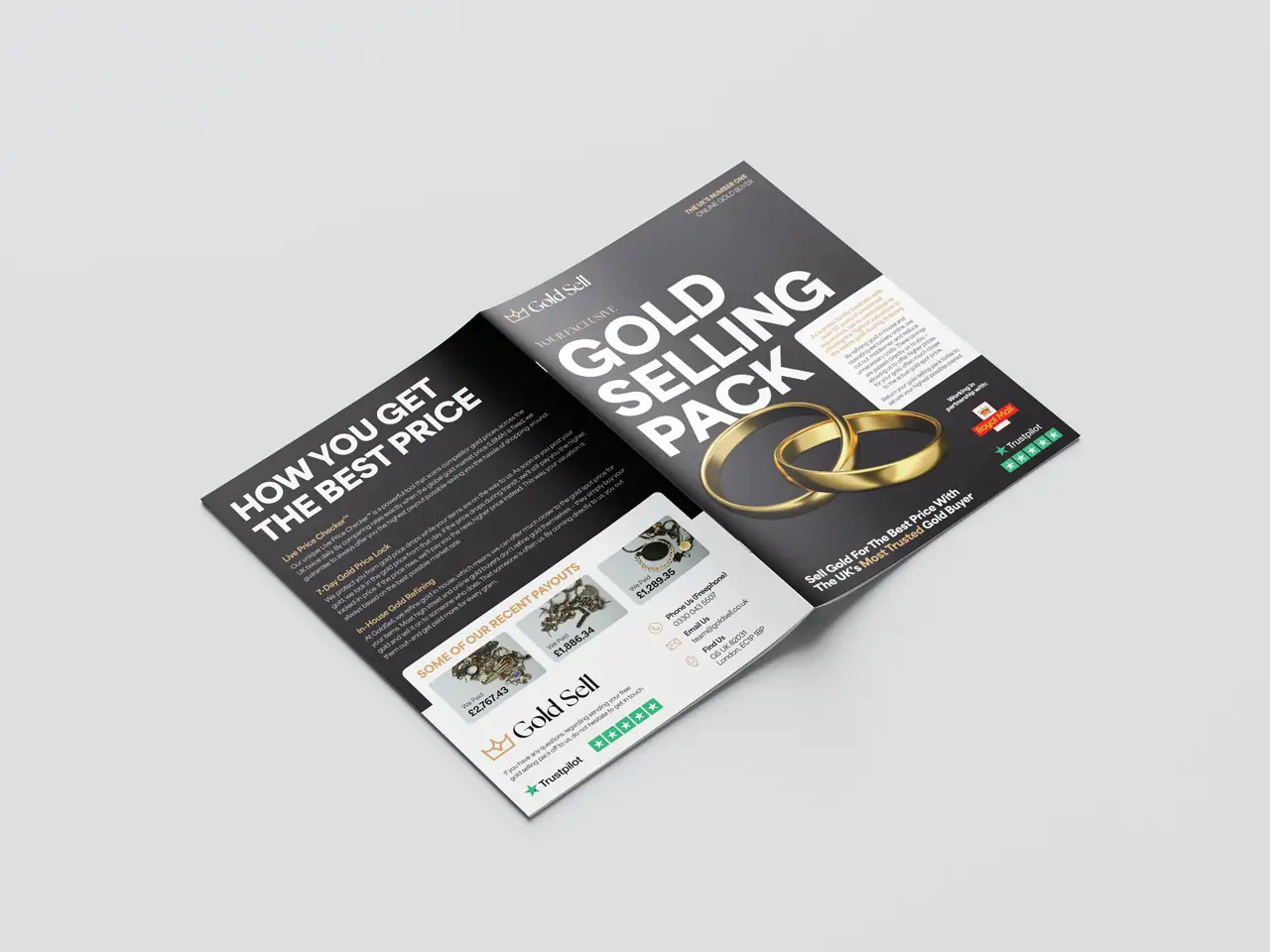
Interested in selling gold with the UK’s highest paying gold buyer? Visit our Sell Gold page to get a competitive valuation – we provide fully insured postage and fast payment.
For more insights and the latest gold price today, keep an eye on our live charts and blog updates.