How Is White Gold Made?
White gold is made by alloying traditional yellow gold with “white” metals like nickel, silver, or palladium to bleach its colour. In practice, pure 24k gold (which is naturally bright yellow) is mixed with these pale metals to create a whitish alloy. Most white gold jewellery is then plated with rhodium, a shiny platinum-family metal, to give it a brilliant pure white finish. This process yields genuine gold pieces (e.g. 18ct white gold is 75% gold) that have a silvery look similar to platinum or silver, but with the value and purity of gold.
Key Takeaways
- White gold is an alloy: It’s made by mixing pure yellow gold with other white metals (often nickel, palladium, or silver) to achieve a pale silvery colour. Because of this, white gold doesn’t occur naturally – it’s created by metallurgists.
- Requires rhodium plating: Most white gold jewellery is coated in a thin layer of rhodium to give it a bright, chrome-like white lustre. Over time this rhodium layer can wear off, revealing the alloy’s light yellow tint underneath, but replating can restore the shine.
- Real gold content: White gold is authentic gold. For example, 18ct white gold is 75% gold (just like 18ct yellow gold) with 25% alloy metals. White gold items are hallmarked in the UK to certify their gold purity, just as yellow gold items are.
- Maintenance and wear: White gold is valued for its modern look and is quite durable. However, it may turn yellowish over time as the rhodium fades. Occasional replating (every 1–3 years) is recommended to maintain its bright white colour. It does not tarnish like silver – any dullness or colour change is usually due to the rhodium wearing off, not the gold itself.
- Similar cost to yellow gold: White gold jewellery of a given karat usually costs about the same as yellow gold of that karat. Any slight price difference is due to the extra alloy metals (like palladium) and rhodium plating, but generally 18ct white and 18ct yellow gold are comparable in price.
- Religious note: In Islam, men are prohibited from wearing gold – and that ruling includes white gold (since it’s still gold). However, men are allowed to own or trade gold (coins, bars, etc.) for investment, as long as they don’t wear it as jewellery.
How Is White Gold Made?
White gold is made through a two-step process: alloying and plating. First, pure 24-carat gold is too soft and yellow on its own, so it’s alloyed with other metals to strengthen it and change its colour. Common additives include nickel (a hard, silvery metal), palladium or platinum (precious metals that impart a greyish-white tone), and silver. By blending in these metals, the gold’s bright yellow hue is lightened towards a pale champagne or grey-white tone. For example, a typical white gold alloy might be 75% gold plus 25% white metals for 18ct, or 37.5% gold plus 62.5% alloys for 9ct gold. The exact mix can vary: a nickel-based white gold tends to be quite hard and is excellent for durable items like rings, whereas a palladium-based white gold is more malleable (so it’s great for gemstone settings that need bending).
After the gold is alloyed to a whitish colour, nearly all white gold jewellery then undergoes rhodium plating. A very thin coating of rhodium (a platinum-group metal) is electroplated onto the piece. Rhodium is pure white and reflective, so it masks any slight yellow or grey tinge of the underlying alloy, giving the jewellery a brilliant chrome-white look. This step is crucial because even the best white gold alloys have a hint of warmth (especially in higher karats – an 18ct white gold alloy has more yellow gold in it, so without plating it may appear light yellow-grey). The rhodium layer also adds scratch-resistance and lustre.
In summary, to make white gold, metallurgists blend gold with white metals to create a pale alloy, then plate the item in rhodium to achieve that bright white finish. The result is a piece that looks like silver or platinum but is, in fact, solid gold – available in common purities like 9ct, 14ct, or 18ct depending on the ratio of pure gold in the mix.
Can White Gold Turn Yellow?
Yes – white gold jewellery can turn yellowish over time, and this is completely normal. The yellow tinge appears because of the rhodium plating wearing off. When brand new, white gold rings or necklaces look impeccably white due to the rhodium coating. Over months or years of wear, that ultra-thin plating layer can rub away (especially on rings, where the underside of the band gets constant friction). Once the rhodium wears off, the metal exposed is the white gold alloy itself, which typically has a faint yellow or off-white colour (since it still contains a high percentage of gold). You might notice patches of a creamy pale yellow tone appearing, often starting on the edges or back of a ring where wear is heaviest.
Importantly, the metal hasn’t “changed” or corroded – it’s just the true colour of un-plated white gold showing through. How quickly white gold turns yellow depends on factors like your skin’s chemistry (perspiration and pH can affect plating), how often the piece is worn, and exposure to chemicals or abrasives. For instance, frequent exposure to household cleaners or chlorinated water can accelerate rhodium wear – harsh chemicals literally eat away the plating.
The good news is that a yellowing white gold piece can be made white again easily. The solution is rhodium replating, sometimes called “dipping.” A jeweller can clean the item and reapply a fresh rhodium coat, restoring the jewellery to a gleaming white colour. This is a routine maintenance task – replating every 1–2 years is common to keep white gold looking its best. Replating is generally quick and not very expensive. In between replating, you can also polish the jewellery to enhance shine, but polishing won’t make it stark white if the plating has worn off – only re-dipping in rhodium will do that.
In short, white gold can lose its initial pure-white look as the rhodium fades, revealing a pale yellow tone underneath. This isn’t a defect or tarnish – just a sign it’s time for a fresh coat of rhodium. With proper care (removing rings before using harsh chemicals, getting periodic replating), you can keep your white gold jewellery snowy-white for many years.
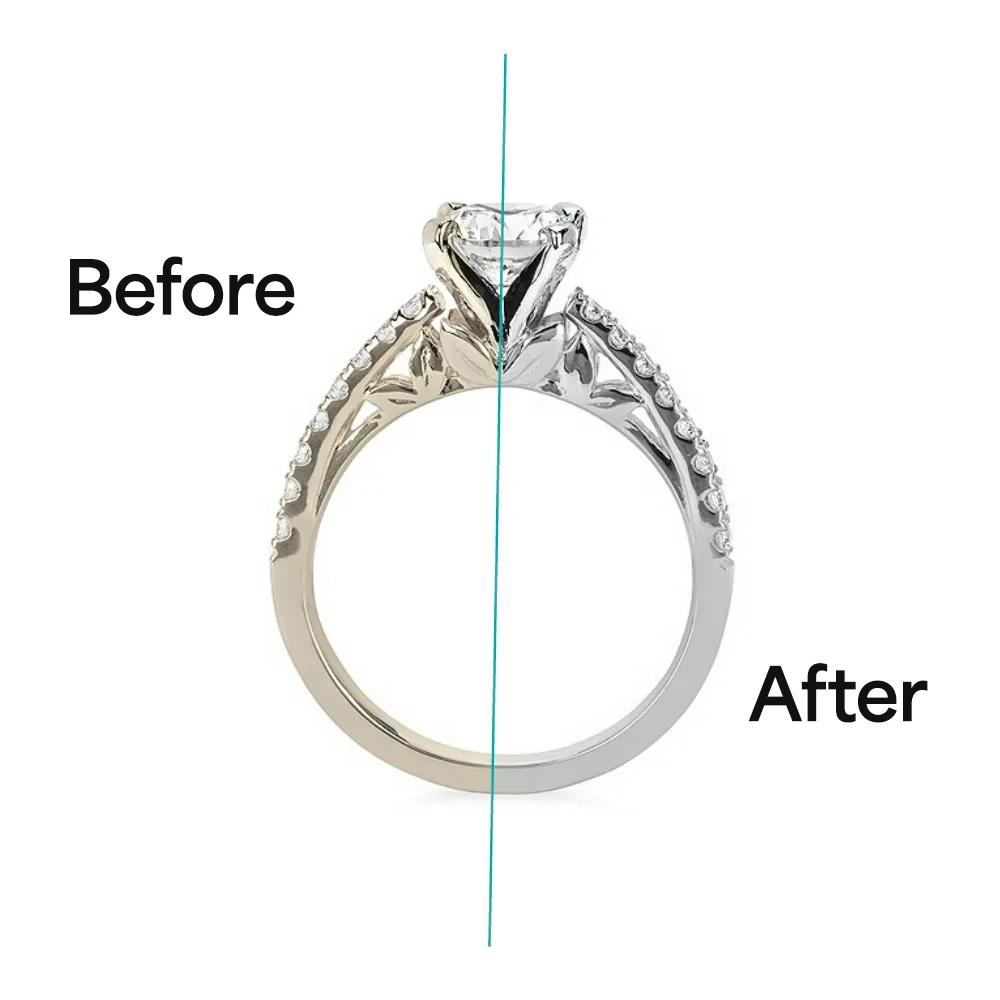
This side-by-side comparison shows the impact of rhodium replating on white gold. Over time, daily wear causes the rhodium layer to wear away, revealing the alloy’s natural yellow tint (left). Replating restores the jewellery’s original bright white finish (right), a routine maintenance service that typically takes just a few days and significantly extends the life and appearance of white gold.
Can White Gold Tarnish?
Pure gold does not tarnish – it’s one of the least reactive metals and won’t rust or oxidise. Because white gold is mostly gold, the alloy itself is highly resistant to tarnishing and corrosion. In other words, your white gold ring isn’t going to turn black or green like some cheap costume jewellery might. If you’ve noticed your white gold looking dull or slightly discoloured, it’s not actually tarnish in the traditional sense.
What people often perceive as “tarnish” on white gold is usually the rhodium plating wearing thin, causing the yellowish underlying gold alloy to peek through. For example, a white gold ring might start to develop a faint champagne tint on the parts where the rhodium has worn off, and someone might assume the metal is tarnishing. In reality, gold doesn’t form the black sulphide tarnish that silver does. So the ring isn’t tarnishing – it’s showing its true colours (literally!).
However, white gold can very slightly tarnish under rare conditions due to the alloy metals in it. For instance, many white gold alloys contain a bit of silver or copper, which do tarnish over long periods of disuse. A piece of white gold jewellery left in a box for decades might develop a slight dull film or faint spots from those metals oxidising. But this is typically minimal. The gold content (37–75%) protects it from significant tarnish. Any minor tarnish from alloy metals can be polished off easily.
For everyday purposes, you can consider that white gold does not tarnish meaningfully. It might dull or yellow over time, but that’s due to wear on the plating, not a chemical tarnish reaction. Regular gentle cleaning (with mild soap and water or a jewellery cleaner) will keep white gold shining. And if it starts to look a bit yellowish, a quick trip to the jeweller for replating will fix that rather than any intensive tarnish removal. This stability is one advantage of gold: unlike sterling silver which turns black without polishing, white gold stays pretty maintenance-free apart from needing new rhodium every couple of years.
Is White Gold Real?
Yes – white gold is real, genuine gold. Despite the different colour, white gold is not “fake” or a substitute; it contains a significant proportion of actual gold, measured in the same karats as any other gold alloy. For example, 18ct white gold is 75% pure gold (18 out of 24 parts gold), alloyed with 25% other metals. 9ct white gold is 37.5% gold, and so on. This means if you buy an 18ct white gold ring, it has the same gold content and value as an 18ct yellow gold ring of identical weight – the only difference is the colour achieved by the alloy mixture.
White gold’s authenticity is backed up by industry standards and laws. In the UK, for instance, any gold jewellery over 1 gram must be hallmarked at an Assay Office. The hallmark on a white gold item will indicate its gold purity (9ct, 14ct, 18ct, etc.) just like on yellow gold. This stamp certifies that the piece truly contains the amount of gold stated. You can often find the hallmark on the inside of a ring band or on a necklace clasp – it might read “750” for 18ct (75.0% gold) or “375” for 9ct, etc. To better understand these markings – especially for white gold pieces or unusual items you’ve inherited – check out our detailed guide on how to identify gold hallmarks, including a chart for foreign hallmarks and what each symbol means.
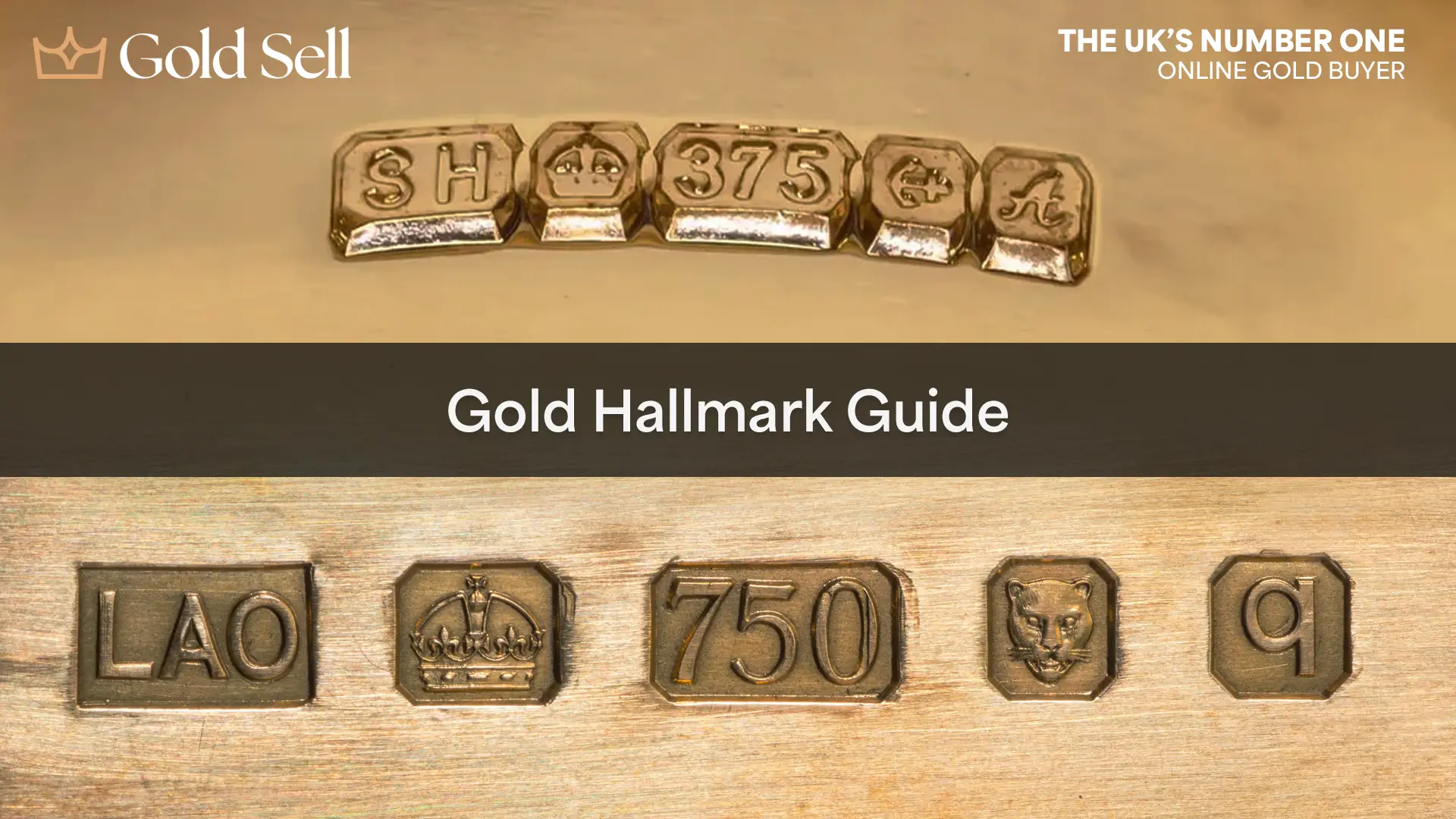
Gold Hallmarks Explained – Identify Gold Hallmarks
Learn how to identify gold hallmarks with our complete hallmark identification guide. Understand assay marks for gold on rings, coins, necklaces, and more.
Because white gold is an alloy, sometimes people wonder if it’s “really gold” or something else. The answer is that it is gold, simply mixed with other metals for colour and strength. In fact, all gold jewellery (except very fine 24k pieces) is alloyed to some degree – yellow gold jewellery also contains other metals like copper or silver. So white gold is just as legitimate: it’s an official category of gold. You’re still paying for the gold content and it retains gold’s value. When you resell or scrap white gold, you’ll be paid for the gold in it just as you would for yellow gold of the same karat.
In short, white gold = gold. It’s not fake, not “plated yellow gold” (except the rhodium on the surface, which doesn’t change its gold content). If you scratch a white gold piece (though hopefully you won’t!), it’s white gold all the way through – yellowish-white, actually, because of the alloy. The value, rarity, and prestige of gold are all still there in white gold. So if you love the look of white metal but want the security and luxury of real gold, white gold offers the best of both worlds.
Is White Gold Haram For Men?
In Islamic teachings, men are not allowed to wear gold jewellery – and that ruling includes white gold. This is derived from several Hadith (sayings of the Prophet Muhammad) which explicitly forbid gold adornments for men, considering it an extravagance only permissible for women. The prohibition is general for all forms of gold, regardless of colour. So even though white gold looks silver-ish, it is still gold by material, and a Muslim man wearing a white gold ring or watch would be considered to be wearing gold, which is haram (forbidden) in mainstream Islamic jurisprudence.
It’s worth noting this applies to wearing gold as adornment. Men are allowed to own gold in other contexts. For example, investing in gold (buying gold coins, bars or owning gold assets) is perfectly permissible. In the past, gold (dinars) and silver (dirhams) were used as currency in Islamic societies, and men could trade or keep wealth in gold form. The wisdom behind the prohibition is tied to personal adornment and avoiding excessive luxury or effeminacy for men, not the mere possession of wealth. A contemporary fatwa clarifies that purchasing or holding gold is allowed for men, as long as it’s not worn as jewellery. So a man could buy a white gold ring as an investment or for his wife, but he himself should not put it on if he’s adhering to Islamic rules.
For Muslim men who want a similar look, the alternative is to go for metals like platinum or sterling silver for rings and accessories, since those are permitted. In fact, Islamic tradition specifically allows men to wear one ring of silver (the Prophet himself wore a silver ring). White gold, however, being gold, is off-limits to wear. Men should also be cautious with “blended” metals: some ask if a low-karat white gold (with more alloy than gold) is okay – but even 9ct gold is still gold in Islamic law, so it remains haram to wear.
In summary, under Islam men cannot wear white gold jewellery due to its gold content. They can own and trade white gold as a commodity or investment, but for personal adornment, it’s not allowed. Women, on the other hand, are allowed to wear white gold (just as they can wear yellow gold). This distinction is a matter of religious doctrine that practising Muslim men will keep in mind when choosing jewellery or watches.
Is White Gold More Expensive Than Yellow Gold?
Not significantly. White gold and yellow gold of the same karat purity are usually priced very similarly. The value of a gold alloy piece is primarily based on its gold content. So, for example, a 14ct white gold ring (58.5% gold) and a 14ct yellow gold ring (also 58.5% gold) will contain the same amount of pure gold and should cost roughly the same in terms of material value. Jewellers typically charge about equal for white vs yellow gold in the same karat and weight, all else being equal.
Any differences in price come down to minor factors. White gold can be slightly more expensive in some cases because of the additional metals and processes involved. For instance, high-quality white gold often uses palladium as an alloy, which is a pricier metal than the copper/zinc used in yellow gold. White gold also undergoes rhodium plating, and while the cost of a single rhodium plating isn’t huge, it’s an extra step in manufacturing. These factors might add a small premium. As a result, you might occasionally see an identical ring model priced a bit higher in white gold than in yellow gold (perhaps a few percent difference), essentially reflecting those extra costs. In fact, many jewellers price white, yellow, and even rose gold versions of the same piece equally to keep things simple for customers. For common 9ct or 14ct gold jewellery, the cost difference is usually negligible.
One thing to watch: because white gold is often sold in lower karats (14k, 9k) as well, someone might notice that “white gold is cheaper” – but that could be because they’re comparing a 14k white gold item to an 18k yellow gold item. Remember, higher karat = more gold = higher price. White gold can offer a more affordable option if you choose a lower purity, but at the same purity level it’s on par with yellow gold.
To sum up, white gold isn’t inherently more expensive than yellow gold. For a given karat and design, expect prices to be about the same. Any small surcharge for white gold is usually due to the cost of alloying metals like palladium or the rhodium plating process. If price is a deciding factor, you can feel free to choose based on colour preference rather than cost – the difference won’t be big.
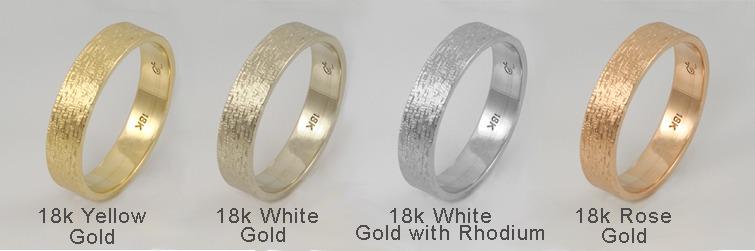
A side-by-side visual of 18k yellow gold vs white gold (both unplated and rhodium-plated), highlighting the colour differences caused by alloy metals and plating. Note how unplated white gold has a warm, greyish hue, while rhodium-plated white gold appears bright silver-white. This illustrates how alloy composition and surface treatment affect the final appearance of gold jewellery, even at the same 18k purity.
White Gold Price
The white gold price depends on its karat purity, with live gold price updates reflecting current market rates. Since white gold must be alloyed with pale metals, it’s most commonly found in 9ct, 14ct, and 18ct varieties—each containing a percentage of pure gold combined with metals like palladium, silver, or nickel. Below are our live gold prices per gram, updated daily:
- 9ct White Gold Price: £32.58
- 14ct White Gold Price: £50.68
- 18ct White Gold Price: £65.16
While 21ct (£76.01), 22ct (£79.63), and 24ct (£86.87) are pure gold rates, these higher purities are not typically offered in white gold, as the alloy metals are needed to achieve that signature silvery hue. Use these live gold prices to estimate your white gold jewellery’s value and stay informed about market fluctuations.
Live Gold Price Per Gram
Gold price last updated:
Sunday, 22 November 2026, 14:01.
The LBMA (London Bullion Market Association) spot price changes daily.
The prices displayed are based on the global market rate for pure 24ct gold, known as the spot price. Like all gold dealers, GoldSell pays a percentage of this rate to account for assaying, refining, secure logistics, market volatility, and handling costs. We consistently offer among the highest payout rates in the UK, with the exact percentage increasing based on the weight and purity of the gold you sell.
Differences Between White Gold and Yellow Gold
White gold and yellow gold are two sides of the same coin (or ring, as it were) – both are gold alloys, but their compositions give them distinct appearances and properties. Here’s a breakdown of key differences to consider:
- Colour & Appearance: The most obvious difference is colour. White gold has a silvery-white hue, especially when rhodium plated, giving it a shiny platinum-like look. Yellow gold has the classic warm golden colour. White gold’s neutral tone often complements diamonds and fair skin tones, while yellow gold’s rich colour can enhance vintage or traditional designs. Personal preference is key – some prefer the modern sheen of white, others the traditional glow of yellow.
- Composition & Purity: Both white and yellow gold are available in the same standard purities (9ct, 14ct, 18ct, etc.), meaning at each karat they contain identical amounts of pure gold. The difference lies in the alloy metals mixed with the gold. Yellow gold is alloyed with metals like copper and silver, which preserve its yellow tint (copper gives a reddish cast in rose gold; silver can pale it slightly but it stays yellow). White gold is alloyed with white metals (nickel, palladium, silver, etc.) to bleach most of the yellow colour. So an 18ct white and 18ct yellow both have 75% gold, but the 25% alloys are chosen to be either white or yellow in tone. Neither is “better” gold – they’re just different recipes to get different colours.
- Durability & Hardness: White gold is often slightly harder and more scratch-resistant than traditional yellow gold. The addition of nickel (a very hard metal) or palladium, plus the rhodium plating, tends to make white gold hold up well to wear. Yellow gold (especially in higher karats like 18ct) is a bit softer and more prone to scratches or dings. That said, any gold alloy is softer than metals like steel – both white and yellow gold will scratch over time, but white gold’s rhodium plating can protect it and hide micro-scratches until the plating wears. Yellow gold might need more frequent polishing to keep its shine, whereas white gold might need re-plating. In practical terms, both are durable for everyday wear, but white gold might edge out slightly in resistance to wear and tear.
- Maintenance: This is where they diverge more. Yellow gold is pretty low maintenance – it doesn’t tarnish and can be polished if it gets scratched or dirty. White gold requires a bit more upkeep due to that rhodium plating. Over time (every 1-3 years depending on wear) you’ll likely need to have white gold jewellery “re-dipped” (replated) to restore its bright white surface. If you skip replating, an older white gold ring may start showing a creamy or light yellow tint. Additionally, when white gold is repaired or resized, the soldering process can remove plating, so jewellers almost always replate after any work on the piece. So, owning white gold often means factoring in occasional maintenance appointments. Yellow gold might just need the occasional professional polish to remove scratches, but it won’t change colour on you.
- Hypoallergenic Properties: Allergies can be a consideration. Traditional yellow gold alloys usually contain silver and copper. These metals are generally well-tolerated, though some people with metal sensitivities can react to copper (in low-karat gold) or even trace nickel if present. White gold alloys in the past often contained nickel, which is a common allergen – about 1 in 8 people react to nickel on the skin. Nickel-alloy white gold can cause rashes or irritation (especially with earrings or rings worn daily) in individuals with nickel allergy. Many countries (including those in the EU/UK) have regulations limiting nickel release in jewellery, so modern white gold sold in the UK is often nickel-free or nickel-safe. Instead, palladium is used, which is hypoallergenic. If you have sensitive skin or known allergies, yellow gold in 14k or 18k (with higher gold content and little to no nickel) might be safer, or you can ensure your white gold is nickel-free. In summary, neither colour is 100% hypoallergenic by default – check the alloy. White gold has a reputation for causing allergies only because of nickel; choose palladium white gold or go for platinum if this is a concern. Yellow gold is usually fine for most wearers, especially in higher purities, but very low karats (like 9ct) have lots of base metal which in rare cases can cause reactions too.
- Cost: Price-wise, there’s not a huge difference between white and yellow gold of equal karat and weight. Both derive their price largely from the gold content. As discussed, white gold may sometimes cost a tad more due to rhodium plating and expensive alloy metals (palladium) – but often this is a marginal difference. For example, 14K white gold is typically comparable in price to 14K yellow gold; any premium is small. When buying, it’s best to assume they are roughly equal in value and choose based on which colour you prefer against your skin or with your gemstones. Also, consider long-term costs: white gold might incur extra maintenance costs for replating, whereas yellow gold might incur cost for occasional repolishing – both are generally minor.
In essence, white gold vs. yellow gold comes down to aesthetics and slight practical differences. White gold offers a contemporary look and a bit more hardness, but needs plating care. Yellow gold offers a rich classic look and a bit more malleability, generally with less upkeep. Both are beautiful, precious, and can last generations with proper care. Your lifestyle (and skin chemistry) and style preference are the best guides for choosing between them.
What Does White Gold Look Like?
When freshly made and rhodium-plated, white gold looks bright white and highly reflective, very similar to platinum or a high-polish sterling silver, but with the added advantage of not tarnishing like silver. It has a cool, silvery sheen. On something like an 18ct white gold engagement ring, you’ll see a brilliant white shine that really makes white diamonds pop – the metal basically doesn’t impart any yellow tint, allowing colourless stones to appear their brightest. Many people choose white gold specifically for this neutral, icy-white look that complements all skin tones and outfits.
The appearance can depend a bit on the exact alloy and the finishing: Some white gold (especially if unplated or older) might have a very slight warm or grey tint. For example, white gold alloys that use palladium can appear a pale steely grey if not plated, while those with nickel might be a very light yellowish off-white. However, you typically won’t notice this because jewellers plate almost all white gold with rhodium. Rhodium-plated white gold has a uniform, dazzling white colour – think of the gleam of a new mirror-like ring or the shine of chrome.
Over time, as discussed, that look can change if the rhodium wears off in spots. A well-worn white gold ring that hasn’t been replated for a while might develop a patchy appearance: the high-wear areas (like the underside of a ring or prongs of a setting) could look a bit cream or faint yellow, while areas that still have plating remain bright white. These warmer patches aren’t stains or dirt; it’s just the gold alloy’s colour coming through next to the still-plated sections. Interestingly, these parts can make the remaining white areas look even brighter by contrast – sometimes people don’t realize their ring has yellowed until they see a side-by-side of a freshly plated section versus a worn section.
When newly replated, the jewellery will look essentially brand new again – gleaming and pure white. White gold tends to have a high-polish finish in most jewellery designs (since the goal is that luxurious shine). Some designs might be given a matte or satin finish, in which case the colour is still white but with a softer glow rather than a mirror shine. In any case, white gold’s colour is best described as “white-hot” when maintained: it can almost resemble liquid silver or platinum in its luminosity.
To visualise: picture two rings side by side – one yellow gold, one white gold. The white gold one would look like it’s made of a cool white metal with maybe a hint of grey, especially if next to the yellow ring which clearly looks golden. If the white gold piece is well plated, it might be hard to tell apart from a platinum ring just by colour. It’s only after a long period of wear (when re-plating is due) that a white gold ring might look a touch duller or yellower than a platinum ring. But with timely maintenance, white gold stays bright and white, making it a popular choice for engagement rings, wedding bands, and any jewellery where a modern, elegant white-metal look is desired.
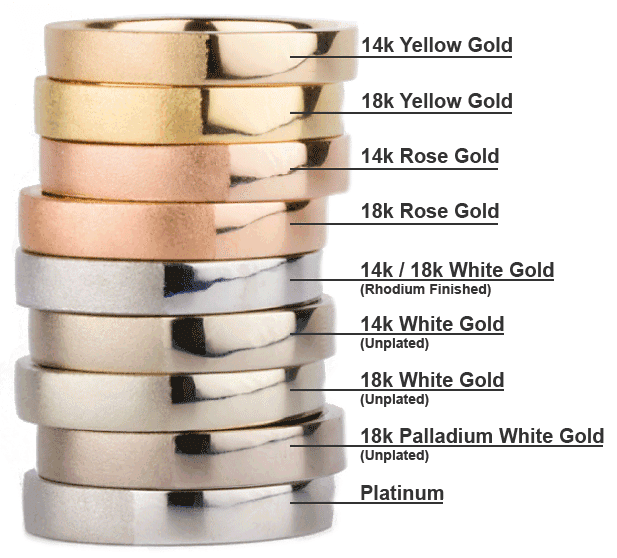
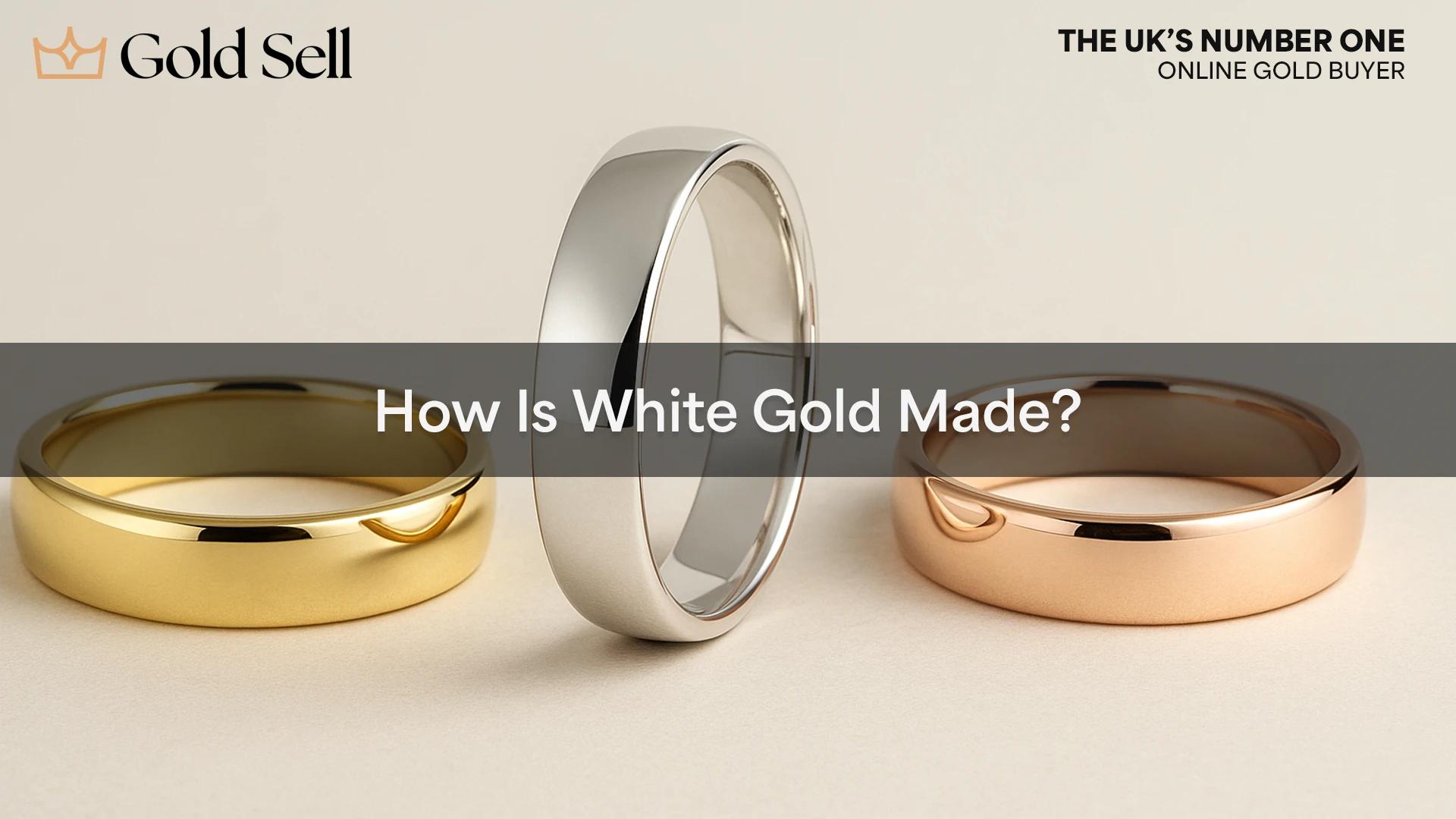
The variation in colour across these gold alloys is due to differences in karat (gold purity), alloying metals, and whether the piece is rhodium-plated. Higher gold content (like 18k) appears richer in yellow and rose golds, while white gold’s tone depends on whether it’s unplated, rhodium-finished, or alloyed with palladium—explaining the shift from warm greys to bright whites across the stack.
Frequently Asked Questions
How is white gold made?
White gold is made by mixing pure yellow gold with pale metals such as nickel, palladium, or silver. These alloys lighten the colour and improve durability. To achieve its signature bright white look, white gold is then rhodium-plated. This ultra-thin layer enhances shine and masks any natural warmth in the gold alloy. The result is elegant, durable jewellery with the same intrinsic value as yellow gold of the same karat.
Can white gold turn yellow?
Yes, white gold can turn yellowish over time. This happens when the rhodium plating wears off, revealing the underlying alloy, which has a natural warm or off-white tone. It’s not a defect or tarnish—just part of normal wear. Replating the jewellery with rhodium restores its original bright white finish. This is a standard maintenance process and is usually needed every 1 to 3 years, depending on usage and exposure to abrasion.
Can white gold tarnish?
No, white gold itself doesn’t tarnish because gold is resistant to oxidation and corrosion. However, people often mistake rhodium plating loss for tarnish. As the rhodium wears off, the slightly yellowish or grey tone of the alloy beneath may appear, giving the illusion of dullness. Unlike silver, white gold doesn’t develop black tarnish or oxidise. Regular rhodium replating will keep it looking bright and polished for years with minimal effort.
How to make white gold?
White gold is created by alloying pure 24k gold with white metals such as nickel, silver, or palladium to tone down its yellow colour. The resulting alloy is pale and durable but usually not bright enough on its own, so it’s finished with a rhodium plating. This process gives white gold its brilliant white appearance while adding scratch resistance. The specific alloy recipe varies depending on desired properties like hardness or hypoallergenic qualities.
Is white gold real?
Yes, white gold is completely real and contains the same pure gold content as yellow or rose gold of the same karat. The only difference is the alloy metals added to change the colour and enhance strength. For example, 18ct white gold still contains 75% gold. It is hallmarked, holds investment value, and is considered authentic gold. Rhodium plating on top does not affect its legitimacy—white gold is simply gold with a different finish.
Is white gold haram for men?
Yes, it is considered haram for Muslim men to wear white gold. Despite its silvery appearance, it is still classified as gold by material, and Islamic teachings prohibit men from wearing gold jewellery. The ruling is based on Hadith, not the metal’s colour. However, men are allowed to own white gold for investment or trade purposes, as long as it is not worn. Platinum or silver are permitted alternatives for Islamic-compliant jewellery.
Is white gold more expensive?
White gold is typically priced similarly to yellow gold of the same karat, since the gold content is identical. However, small cost differences can arise due to the rhodium plating process or more expensive alloying metals like palladium. These differences are usually minor. On a like-for-like basis—same design, weight, and karat—the price difference between white gold and yellow gold is negligible for most consumers and does not affect intrinsic gold value.
Are white gold earrings hypoallergenic?
White gold earrings can be hypoallergenic if made without nickel. Older or lower-quality white gold may contain nickel, which is a common cause of allergic skin reactions. Modern white gold often uses palladium instead, which is hypoallergenic and skin-safe. If you have sensitive ears, check whether the alloy is nickel-free or opt for earrings made from palladium white gold or platinum, both of which are excellent choices for allergy-prone wearers.
Are white gold and platinum the same?
No, white gold and platinum are different. White gold is a gold alloy, usually rhodium-plated to achieve its white colour, while platinum is a naturally white metal used in nearly pure form. Platinum is denser, heavier, and more expensive than white gold. It doesn’t require replating, making it lower maintenance long term. Both look similar, but platinum is hypoallergenic and more durable, whereas white gold is more affordable and easier to work with.
Are white gold and silver the same?
No, white gold and silver are distinct metals. White gold is made from gold alloyed with pale metals and usually rhodium-plated, whereas silver is a separate, naturally white metal. Silver is softer, tarnishes over time, and is less valuable per gram. White gold, by contrast, is more durable, holds greater value due to its gold content, and does not tarnish in the same way. They may look similar but perform very differently.
Can I wear white gold in the shower?
It’s not recommended. Wearing white gold in the shower can cause the rhodium plating to wear down more quickly, especially with exposure to soaps, shampoos, or chlorinated water. This can lead to dullness or yellowish tones as the underlying alloy shows through. Occasional exposure won’t destroy your jewellery, but regular showering while wearing it may shorten the time between replatings. To preserve the finish, it’s best to remove white gold before bathing.
Can I sell white gold?
Yes, white gold can be sold just like yellow gold. Its resale value is based on the gold content and karat, not the colour. Jewellers or gold buyers will usually pay by weight, minus any stones or non-gold parts. While the rhodium plating adds cosmetic value, it doesn’t significantly affect scrap value. Ensure your white gold item is hallmarked, and use a trusted gold buyer to get a fair and transparent valuation.
Can white gold be resized?
Yes, white gold can be resized by a professional jeweller. The process involves cutting and soldering the ring, which can remove or damage the rhodium plating. For this reason, most jewellers will re-polish and rhodium-plate the ring after resizing to restore its bright white finish. Resizing white gold is common and safe when done properly, but frequent adjustments over time can slightly weaken the structure, so proper sizing from the outset is ideal.
Interested in selling gold with the UK’s highest paying gold buyer? Visit our Sell Gold page to get a competitive valuation – we provide fully insured postage and fast payment.
For more insights and the latest gold price today, keep an eye on our live charts and blog updates.