Does Gold Plated Tarnish?
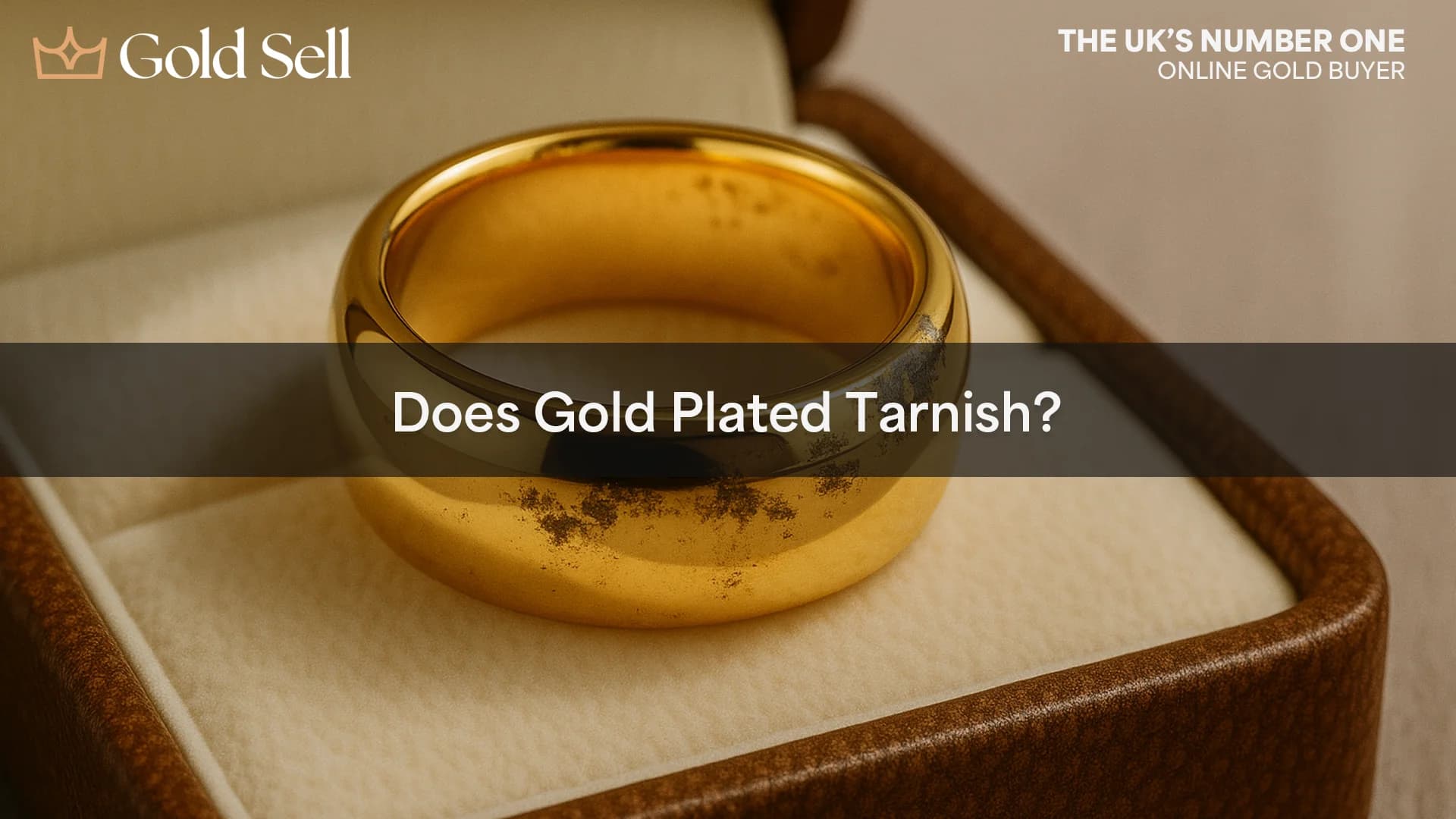
Yes – gold plated jewellery can tarnish and fade over time. The thin layer of gold may look shiny at first, but it eventually wears away, causing the base metal underneath to become exposed and discolored. Below we’ll explain why gold plated items tarnish faster than solid gold, how long plating lasts, and how to clean and care for gold plated jewellery to keep it looking its best.
Key Takeaways
- Gold plated jewellery: Gold plated jewellery does tarnish. Its thin gold layer can wear off, exposing base metal that corrodes or discolours.
- Why it tarnishes: It tarnishes faster than solid gold because of exposure to air, sweat, perfumes, and friction from wear.
- Prevention tips: You can slow tarnishing by keeping gold plated pieces dry, avoiding chemicals, and storing them properly after gently wiping off any sweat or oils.
- Cleaning method: Clean gold plated jewellery only with mild soap and water; use a soft cloth and avoid abrasives to protect the delicate gold layer.
- Longevity: Expect gold plated jewellery to last around 1–2 years of regular use before fading, though high-quality plating or infrequent wear can extend its life.
- Definition: “Gold plated” means a base metal item (e.g. brass) coated with a thin layer of real gold to give it a gold appearance.
- Gold content: Gold plated items contain real gold on the surface, but only a tiny amount, so they hold little monetary value compared to solid gold pieces.
- Identification: To tell if jewellery is gold plated, look for hallmarks like “GP”, “GEP”, or “HGE” stamped on it, indicating a plated gold layer.
Does Gold Plated Tarnish?
Yes – gold plated jewellery will tarnish over time. Gold plating involves bonding a very thin layer of gold onto a base metal (such as brass, copper, or steel). Because this gold layer is so thin, it is delicate and wears away much faster than solid gold. When the gold coating rubs off or corrodes, the base metal underneath is exposed to air and moisture, which leads to tarnish and discolouration. In contrast, solid gold jewellery (which is gold alloy through-and-through) is much more resistant to tarnishing.
Why does gold plated tarnish faster than solid gold? Solid gold (especially high-purity 18K or 24K gold) doesn’t tarnish because gold is a non-reactive metal. Gold plated pieces, however, usually have a core of reactive base metal. Over time, everyday factors will break down the gold plating: exposure to air and humidity causes oxidation; sweat and skin oils (especially if you have acidic skin pH) can corrode the metal; perfumes, lotions, and other chemicals can eat away the gold layer. Friction and rubbing (from wearing the item daily or stacking jewellery together) also wear off the thin gold film. As a result, a gold plated necklace or ring can start dulling or showing spots of base metal in a matter of months if worn often. By comparison, a solid gold item contains no base metal to expose, so it keeps its shine with minimal tarnish for decades.
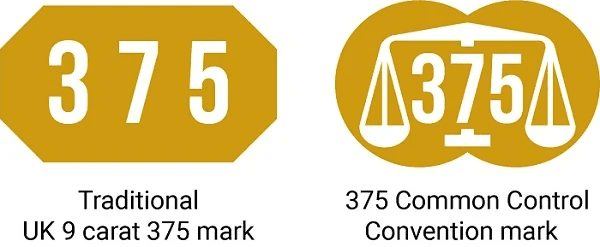
(Examples of 9ct gold hallmarks. Left – the traditional UK hallmark showing “375” (often in an oval or octagonal shield) to denote 9 carat gold. Right – the Common Control Mark (two scales with 375) used internationally, which also indicates 37.5% gold purity)
How Long Does It Take For Gold Plated Jewellery To Tarnish?
It depends on the thickness of the plating and how you wear it. In general, gold plated jewellery might begin to show tarnish or fading after about one year of regular use. Some low-cost “flash plated” pieces (with extremely thin plating under 0.175 microns) can lose their gold colour within only a few wears. Higher-quality gold plated items with thicker plating (say 0.5–2.5 microns) can last 2+ years before the gold wears off. If you wear a gold plated accessory every single day – especially rings or bracelets that get a lot of friction – expect it to tarnish on the shorter end of that range (even within 6–12 months). With occasional wear and good care, however, you may enjoy a gold plated piece for several years before it needs re-plating or starts to noticeably dull.
The good news: you can prevent or slow down tarnishing on gold plated jewellery with proper care. The key is to minimise exposure to the elements that speed up wear:
- Keep it Dry: Always remove gold plated rings or bracelets before washing your hands, showering, or swimming. Water and humidity can break down the gold layer faster. Likewise, don’t leave plated jewellery in steamy bathrooms.
- Avoid Sweat and Chemicals: Put on perfume, lotion, or hairspray before putting on your gold plated jewellery, so those chemicals don’t directly hit the piece. Remove plated jewellery before exercising or anything that will make you sweat a lot. Sweat’s salt and oils can tarnish and fade the gold layer.
- Minimise Friction: Try not to wear your gold plated necklace 24/7. Give it a rest and don’t sleep or work out in it. Avoid rubbing against rough fabrics and don’t let plated pieces jangle together heavily (to prevent the gold layer from rubbing off).
- Proper Storage: Store gold plated jewellery in a cool, dry place away from open air when you’re not wearing it. It’s best to keep it in a soft pouch or jewellery box lining. This prevents scratching and limits exposure to oxygen and moisture. You can even place anti-tarnish strips in the box. Each piece should be stored separately so they don’t scratch each other.
- Wipe After Wearing: A quick habit is to gently wipe down your gold plated items with a soft cloth after each use. This removes any sweat or oils that might cause tarnish. Use a lint-free microfibre or cotton cloth and just buff gently – this little bit of maintenance can keep the plating shiny longer.
By following these tips, you can keep your gold plated jewellery looking shiny and delay that inevitable tarnish. Remember that tarnish is natural over time for plated items – you’re essentially fighting against normal wear. But with care, you can often get many months or a few years of good use before the piece needs re-plating or replacement.
How To Clean Gold Plated Jewellery?
Cleaning gold plated jewellery requires a gentle touch so you don’t scrub off the thin gold layer. Harsh cleaners or vigorous polishing can do more harm than good. Here’s how to safely clean your gold plated pieces:
- Use Mild Soap and Water: The safest method is to clean with warm water and a drop of mild dish soap. Fill a small bowl with lukewarm water and a couple drops of gentle dish soap. Avoid any cleaners with harsh chemicals.
- Soak Briefly (if no stones): If the piece is plain metal (no glued gemstones or enamel), you can let it soak in the soapy water for about 1–2 minutes. This loosens dirt. Do not soak items with glued gems or coatings – instead, just dip a soft cloth in the soapy water to clean those.
- Gently Wipe or Brush: Use a soft cloth or a very soft baby toothbrush to gently rub the jewellery and clean crevices. Do not scrub hard. Focus on areas with grime, but remember the gold plating is delicate. Cotton swabs can help get into small details.
- Rinse Thoroughly: After cleaning, rinse the piece in clean water (or wipe with a water-dampened cloth) to remove any soap residue. Leftover soap can dull the finish.
- Dry Completely: Pat the jewellery dry with a soft lint-free cloth. Make sure it’s fully dry before you store it. Trapped moisture can lead to tarnish. Let it air dry for a bit after patting, just to be safe.
Important: Avoid using any abrasive materials or strong chemicals on gold plated jewellery. Stay away from silver polish, toothpaste, baking soda scrubs, or jewellery cleaners that are not specifically made for plated jewellery. Abrasives and chemicals can strip off the thin gold layer or cause it to peel. For the same reason, do not use ultrasonic jewellery cleaners on gold plated items. Gentle hand-cleaning as described above is best. If the tarnish or wear is too severe to clean with mild soap, you might need to have the item re-plated rather than trying aggressive cleaning methods.
These cleaning tips are safe for gold plated jewellery and will help keep your pieces shiny without damaging them. Regular light cleaning (wiping after each wear) is better than infrequent harsh cleaning. When in doubt, be gentle – preserving that thin gold layer is the goal.
How Long Does Gold Plated Jewellery Last?
Gold plated jewellery can last about 1 to 3 years before the gold layer significantly wears off, depending on usage and care. With daily wear, you’ll often see the plating start to fade or tarnish around the 1-year mark (sometimes even sooner for lower-quality plating). If you only wear the piece occasionally and take good care of it (avoiding water, sweat, perfumes as noted above), it could stay gold-looking for several years before needing a touch-up. In short, its lifespan can vary but it won’t last as long as solid gold jewellery.
Several factors determine how long a gold plated item lasts:
- Thickness of the Plating: Thicker gold plating means a more durable finish. Cheap fashion jewellery may have “flash plating” under 0.175 microns thick, which can fade after only a few wears. Higher-end gold plated pieces might have 0.5 microns or more, lasting a year or longer. Some heavily plated items (2.5+ microns, sometimes labeled “heavy gold electroplate”) can last for multiple years with care. But eventually, even thick plating will wear down.
- Frequency of Wear: A necklace worn daily will lose its gold layer faster than one worn just on weekends. Constant contact with skin, clothes, and the environment speeds up wear. If you reserve your gold plated earrings or watch for special occasions, they’ll outlast pieces you wear all the time.
- Type of Item: Rings and bracelets tend to wear out plating faster because they rub on surfaces and against your skin a lot. Necklaces and earrings (especially if not worn to sleep or shower) often last longer since they experience less friction.
- Care Routine: Following the care tips (keeping it dry, storing properly, gentle cleaning) can significantly extend the life of gold plated jewellery. For example, not wearing your plated rings in the shower or gym can easily add months of wear before they start fading.
Over time, you’ll likely notice the gold layer thinning in high-contact areas. The piece might start looking a bit dull or a different metal colour might peek through (often a silvery or coppery tone of the base metal). This is a sign the plating is wearing off.
Can you extend the life or renew gold plated jewellery? Yes – if you want to keep a piece going after the gold has worn off, you can have it replated. Jewellers offer replating services where they clean the item and put a fresh gold layer on it. This can make an older gold plated item look like new again. The cost will depend on the item’s size and the thickness of plating you want. For valuable or sentimental pieces, replating every couple of years might be worth it to maintain the look. There are also DIY gold plating kits, but results can vary, so for best results professional replating is recommended.
In summary, expect a limited lifespan for the gold finish on plated jewellery. Many people treat gold plated accessories as affordable, short-term pieces – enjoy them while the gold lasts, knowing they aren’t heirloom items. If you need something to wear daily for years, you may want to invest in gold filled or solid gold jewellery instead for better longevity. But with mindful wear, a favourite gold plated piece can still give you a good run before it needs restoration or replacement.
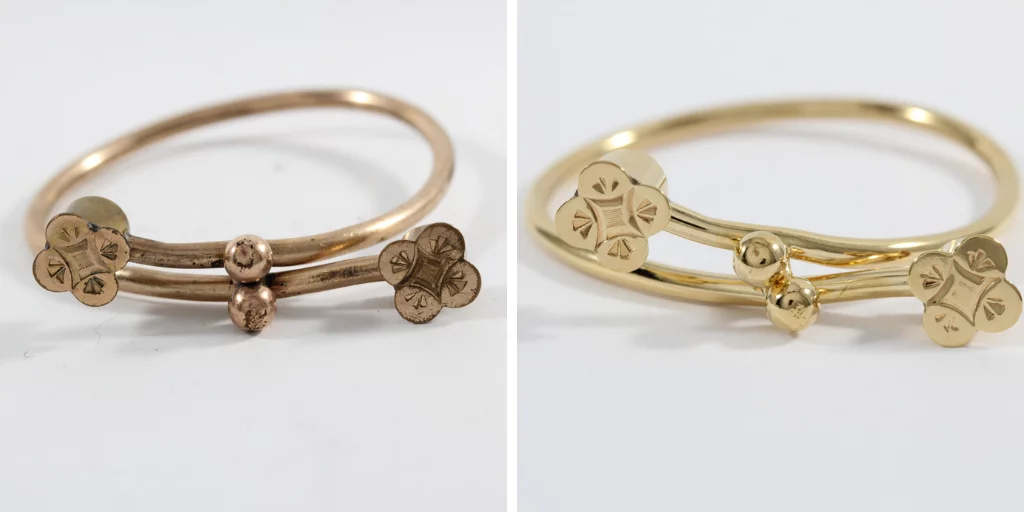
(Gold bracelet showing before and after results when you replate gold jewellery professionally, restoring shine and removing tarnish)
What Does Gold Plated Mean?
“Gold plated” means that an item is made of a base metal and has been coated with a thin layer of real gold. In jewellery, gold plated pieces are typically made by electroplating – using electricity to deposit a microscopically thin layer of gold onto a cheaper metal like brass, copper, or stainless steel. This gives the look of gold at a fraction of the cost of solid gold. However, the gold layer is usually very thin (often only a few microns or less), so it doesn’t add much durability or value in terms of gold content.
In order for a piece to be marketed as “gold plated,” there are some minimal standards. For example, in the US a gold plated item typically has at least 0.5 microns of gold plating (usually of 10K or higher purity). Very thin flash plating (<0.175 microns) might be labeled differently (sometimes just called gold electroplate). But in practice, many fashion jewellery pieces have around that 0.5 micron or less of gold. This is enough to give a gold appearance, but it’s a tiny fraction of what you’d get in something like gold filled jewellery.
To understand it better, let’s compare gold plated jewellery with some other common gold terms:
- Gold Plated: A base metal (non-gold) item with a thin electroplated layer of gold on the surface. The gold layer can be any karat (often 14K or 18K colour) but is usually under 1 micron thick unless specified as heavy plated. Gold plated items are the cheapest type of “gold” jewellery because they contain very little gold. They are great for trendy pieces or costume jewellery, but the gold layer will eventually wear off.
- Gold Vermeil: This is a specific type of gold plated jewellery where the base metal is sterling silver (92.5% silver), and the gold plating is thicker (at least 2.5 microns thick of 10K or higher gold). Essentially, vermeil is high-quality gold plated silver. It tends to be more durable and hypoallergenic (since the base is silver, not nickel or brass). Vermeil pieces follow strict standards – for example, US FTC guidelines require ≥2.5 microns of gold over sterling silver to call it vermeil. If you see jewellery marked “925” (for sterling) with a gold tone, it could be vermeil. Vermeil offers a balance between affordability and quality: it looks like solid gold and lasts longer than standard plating, but still costs much less than real gold.
- Gold Filled: Gold filled (also called rolled gold) is not just a thin plating – it has a much thicker layer of gold mechanically bonded to the base metal. Gold filled jewellery in the U.S. must have at least 5% of its total weight in actual gold. For example, a common gold-filled designation is “1/20 14K GF” meaning 5% (1/20) of the item’s weight is 14K gold. This gold layer is much thicker than plating (tens or hundreds of times thicker), so gold filled pieces are far more durable and can last many years without wearing through the gold. However, gold filled is more expensive than gold plated because it uses a lot more gold. It’s a good middle ground if you want something long-lasting but can’t afford solid gold.
- Solid Gold: Solid gold jewellery means the piece is made entirely of gold alloy (like 9K, 14K, 18K, etc., up to 24K which is pure gold). There is no base metal core – the gold itself may be alloyed with other metals for strength (e.g. 14K gold is about 58% gold and 42% other metals), but the material is consistent throughout. Solid gold is the most expensive and longest-lasting option. It doesn’t wear away (there’s no plating to rub off) and can be polished and maintained for generations. It also has high resale value because of its precious metal content. For example, you can often resell or sell gold jewellery by weight for its scrap gold value, which isn’t possible with plated items. Solid gold is often stamped with karat marks (10K, 14K, 18K, etc.) rather than any “plated” mark.
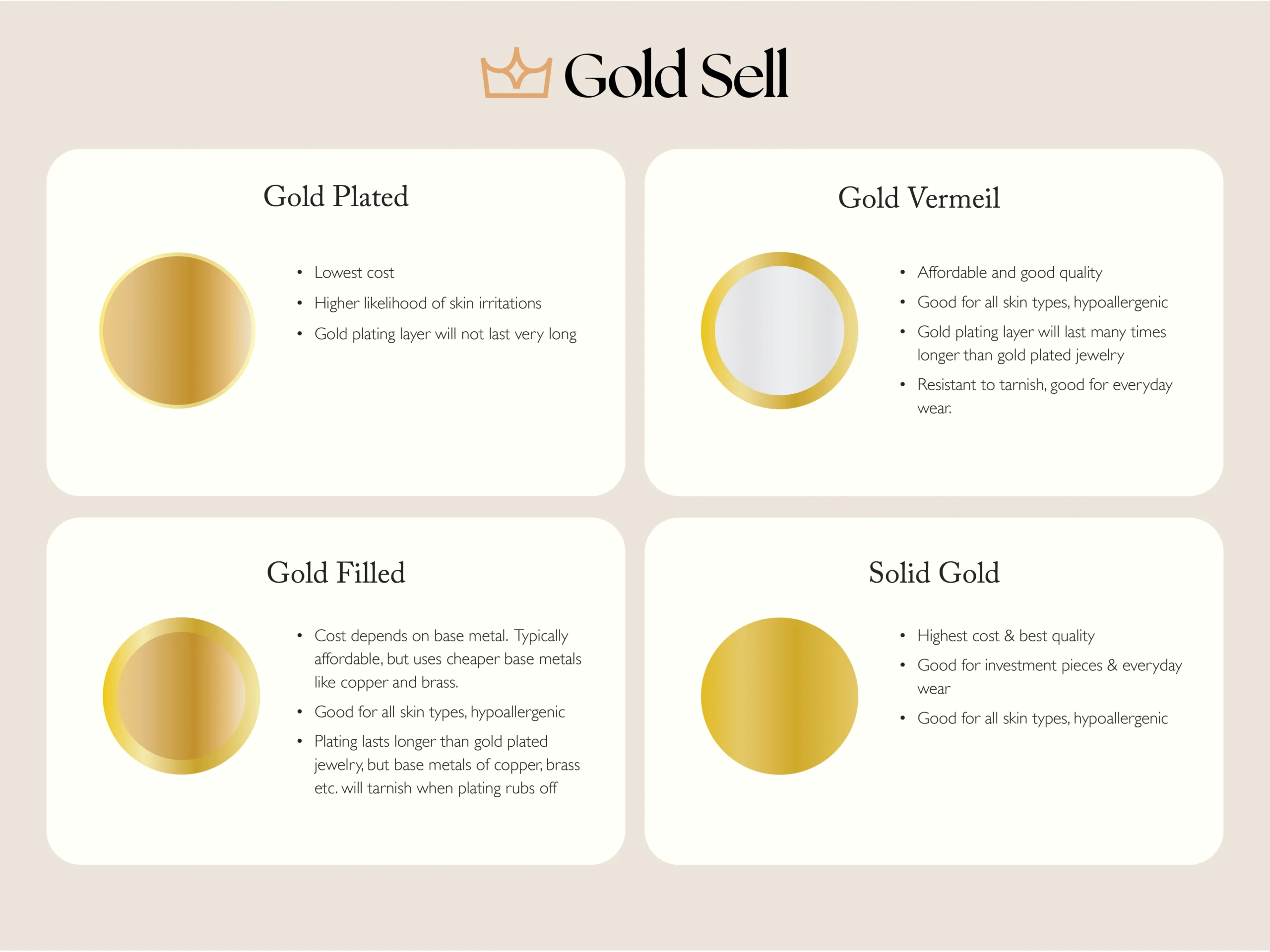
(Gold plated has the lowest cost but the plating doesn’t last long. Gold vermeil is affordable and uses sterling silver base with longer-lasting gold layer. Gold filled has a thicker gold layer (5% of weight) for more durability. Solid gold is highest cost, best quality, and retains value.)
As the above comparison shows, gold plated jewellery gives you the look of gold at the lowest cost, but it will not last as long or hold value like vermeil, gold filled, or solid gold. Gold plated is fantastic for trendy or occasional-wear pieces. Just be aware of its limitations: the gold layer is thin and prone to tarnish or wear, and the piece’s value is mostly in its design/brand rather than gold content.
Minimum requirements and terms: If you see terms like “gold electroplated”, “gold plated”, “heavy gold plated”, or “vermeil” in a product description, they indicate different thicknesses as mentioned. For instance, heavy gold electroplate usually means ~2.5 microns of gold plating. Vermeil legally requires sterling silver plus 2.5 microns of gold. Regular gold plated might only be 0.5 micron. Knowing these definitions can help you understand what you’re buying. Always check jewellery stamps and descriptions – a reputable seller will disclose if a piece is gold plated, and might even indicate the thickness or process.
Is Gold Plated Real Gold?
Gold plated jewellery does contain real gold – but only on its outer surface. Technically, the gold plating is genuine gold (often 14K or 18K in purity), so the finish you see and touch is real gold. However, the piece beneath that thin gilded layer is made of a different metal (not gold), and only a microscopic amount of gold is actually present on the item. In other words, the gold on gold plated jewellery is real, but the item itself is not solid gold.
For example, if you have an “18K gold plated” necklace, it means the surface layer is 18-karat gold (75% pure gold). That sounds nice, but that gold layer might be only 0.5 microns thick – so the total actual gold content is extremely small (often well under 1% of the item’s metal weight). The rest of the piece is made of a base metal like brass. This is why gold plated jewellery is much cheaper than the same piece made in solid 18K gold. You’re only getting a tiny flash of gold, not a fully gold item.
Because the gold layer is real, gold plated jewellery initially can have the appearance of high-karat gold. It won’t immediately tarnish in the way that a fake gold-colour paint might. In fact, the gold itself doesn’t tarnish easily – pure gold is tarnish-resistant. The tarnish and greenish tinge that sometimes appear on gold plated items come from the base metals or the interface where the gold has worn off. Often, when the thin gold layer erodes, the underlying metal (which might be copper, nickel, etc.) reacts with skin or air and produces discolouration (that’s when you see a ring turning your finger green or the jewellery darkening).
In summary, gold plated is real gold on the outside, and non-gold on the inside: it gives you the aesthetic of real gold, but none of the intrinsic value or longevity of solid gold. It’s important to set your expectations accordingly. If someone asks, “is that real gold?” about a plated chain, a fair answer is: “It’s real gold plating over a different metal.” It’s not “fool’s gold” or gold paint – it’s genuine gold, just a very small amount of it.
Plated Gold Price
Because gold plated items contain only a tiny amount of gold, they have very low monetary value in terms of precious metal. You generally cannot sell gold plated jewellery for any significant amount of money – gold buyers and pawn shops typically refuse gold plated items since the gold yield is negligible. For instance, the gold layer on a plated piece is often less than 0.05% of its weight, which is practically nothing in melt value. By contrast, a solid gold ring or a heavy gold chain contains enough gold to be worth some money if sold as scrap.
To put it in perspective, consider two items: a gold plated costume necklace vs. a gold coin. The gold plated necklace might have gold worth only a few pence or cents (the plating is so thin). A gold coin like a gold Sovereign, on the other hand, contains almost a quarter ounce of pure gold and could be sold for its full gold market value. Precious metal buyers and refiners are interested in pieces that have significant gold content – e.g. solid gold jewellery (which you could sell by weight) or bullion coins. Gold plated pieces fall outside of that; they’re viewed as decorative, not as investment gold.
For those interested in gold’s value, it’s better to invest in items like coins or bullion bars. Precious gold items like gold coins or gold bullion are made of solid gold and thus carry real market value. For example, a classic Gold Sovereign coin contains actual gold through-and-through (around 7.3 grams of 22K gold) and can be sold based on its gold content. In contrast, a gold plated necklace has only a microscopic gold shell and no meaningful scrap gold value – buyers of scrap gold won’t pay for it since there’s almost no gold to recover.
In short, gold plated jewellery is “real gold” in the cosmetic sense – it gives you the look of gold – but it is not the same as owning real, solid gold. Enjoy gold plated pieces for what they are (affordable, stylish accessories), but don’t expect them to perform like solid gold in terms of durability or resale. If you want an item that is truly made of real gold, you’ll need to look at solid gold or at least gold filled/vermeil options.
How To Know If Jewellery Is Gold Plated?
You can often tell if a piece of jewellery is gold plated by looking for specific markings (hallmarks) on the item and observing its wear over time. Jewellers and manufacturers usually stamp jewellery to indicate its metal content. Solid gold jewellery will be stamped with a karat purity (like 10K, 14K, 18K, 750, etc.), whereas gold plated jewellery often has markings that reveal its plated nature.
Here are some ways to know if jewellery is gold plated:
- Hallmark Stamps: The quickest clue is to examine the markings on the piece. Common stamps for gold plated items include things like “GP” (gold plated), “GEP” (gold electroplated), “HGE” (heavy gold electroplate), or a fraction like “1/20 14K GF” (which actually means gold filled). For example, a necklace might be marked “18K GP”, indicating it’s plated with 18-karat gold, or a ring could have “HGE” stamped next to a karat number. Look closely near the clasp of a chain or inside a ring band for these marks. If you see a purity mark (like 14K) with additional letters (GP, GF, etc.), that usually means it’s not solid gold but plated or filled. (By contrast, if you only see something like “14K” or “585” with no other letters, that typically means solid gold of that purity). We will list common gold plated hallmarks below.
- Colour Wear and Fading: Over time, gold plated jewellery often reveals its true colours – literally. If you notice patches where the gold colour has worn off and a different metal colour (silvery, brown, or reddish) is showing through, that’s a clear sign of plating. Solid gold will not change colour like that; it’s uniform throughout. Also, tarnish or greenish discolouration on areas that contact skin (like the inner side of a ring or where a chain rests on your neck) can indicate base metal exposure from worn plating.
- Magnet Test: This isn’t foolproof, but it can give a hint. Solid gold (and silver) are not magnetic. Many base metals used in plated jewellery (like nickel or some brass alloys) have magnetic properties. If a gold-coloured chain strongly attracts a magnet, it’s likely not solid gold. However, note that some plated items use non-magnetic bases like copper or stainless steel, and some solid gold items (if heavily alloyed or with clasps/springs) can have minor magnetic parts. So use this test as a clue, not a guarantee.
- Density/Weight and Price: Gold is dense and heavy. If a large “gold” chain feels very light or was very inexpensive, chances are it’s plated or fake rather than solid gold. A real solid gold piece of the same size would be noticeably heavier and cost significantly more. For example, a chunky 20-inch solid gold necklace would cost hundreds or thousands of pounds, whereas a gold plated imitation might sell for £20 – the price can be a dead giveaway.
- Acid Test (Professional): Jewellers can perform a nitric acid scratch test to determine if something is solid gold or plated. They rub a small portion of the item on a testing stone and apply acid – if the gold layer is only surface deep, the underlying metal will react differently to the acid than a solid gold sample. This is not something you should do at home on a piece you care about (it can leave a mark). But if in doubt, a professional jeweller or gold buyer can test the item for you.
The most reliable indicator for the average person is the stamp/hallmark. Always inspect jewellery for tiny engraved letters or numbers. Below is a list of common hallmarks that signal an item is gold plated or otherwise not solid gold:
Gold Plated Hallmarks
- GP (Gold Plated): Indicates the piece has a thin layer of gold plated onto a base metal. For example, “14K GP” means 14-karat gold plating over some other metal.
- GEP (Gold Electroplated): Essentially the same as GP – an electrochemical gold plating. A stamp like “18K GEP” means 18-karat gold electroplate.
- HGE (Heavy Gold Electroplate): This means the item has a heavier (thicker) gold plating than standard. HGE typically implies at least 2.5 microns of gold plating. You might see “HGE” often on things like class rings or costume rings with a thicker flash of gold. Example: “18K HGE”. Despite “heavy”, it’s still a coating and not solid.
- RGP (Rolled Gold Plate) / GO (Gold Overlay): An older term indicating a form of gold layering that is thinner than gold filled. Rolled gold plate items have a fraction of gold content, often stamped like “1/40 12K RGP” meaning the gold layer is 1/40 of the weight (which is 2.5%). It’s basically a modest gold coating, slightly more than typical electroplate but less than gold filled.
- GF (Gold Filled): Not exactly plating (it’s mechanically bonded), but often stamped on jewellery that isn’t solid gold. If you see “GF” or “1/20 14K GF”, it’s gold filled (5% weight in 14K gold). Gold filled pieces have more gold than plated ones and are higher quality, but they’re still not solid gold.
- 925 + Hallmark (Vermeil): If a piece is marked “925” (meaning sterling silver) and has a gold colour, it is likely gold plated silver. Sometimes vermeil pieces might just be marked with the silver content (925) and not explicitly say “gold plated.” Some may include a stamp like “925 + 18K” or a discreet “V” for vermeil. If you see a silver stamp on a gold-looking piece, it’s probably vermeil (gold plated silver) rather than solid gold.
By checking for these marks, you can usually determine if jewellery is solid gold or some form of plated. As a rule of thumb, any extra letters after a karat stamp (like 14K) tend to mean it’s not solid. For example, “14K P” (with a “P”) in the US means “plumb” or exact 14K purity (solid gold), but “14K GP” means gold plated, and “14K HGE” means heavy gold electroplate. When in doubt, a professional appraisal can tell you for sure.
Using the tips above, you can avoid mistaking a gold plated piece for a more valuable solid gold item. This is especially useful if you’re shopping for vintage jewellery or inheriting pieces and want to know what you have. Always look closely at the item and its hallmarks – they will speak volumes about the true nature of the metal.
Frequently Asked Questions
Does gold plated tarnish?
Yes. Gold plated jewellery will tarnish and dull over time because the ultra-thin gold layer wears off, exposing the base metal underneath which can corrode or discolour once it’s no longer covered by gold.
How to clean gold plated jewellery?
Gently! Use warm water and a drop of mild dish soap. Lightly wipe the jewellery with a soft cloth or soft toothbrush – no scrubbing. Rinse and pat dry. Avoid any harsh chemicals or abrasive cleaners; gentle soap and water is the safest way to clean gold plated pieces without damaging them.
Is gold electroplate worth anything?
Gold electroplated items have very little gold content, so they aren’t worth much for their gold value. The gold layer is only a few millionths of an inch thick garfieldrefining.com (often under 0.05% of the item’s weight). This means you’d need huge quantities to get any significant gold. They are usually only worth something as fashion jewellery, not for gold resale.
What does gold plated mean?
“Gold plated” means a base metal object has been coated with a thin layer of real gold. It’s made to look like solid gold, but underneath the gold plating, the item is made of a less expensive metal (like brass or copper). The gold layer is applied via electroplating and is usually very thin.
How to electroplate gold?
Gold electroplating is done by immersing the item in a special gold-containing solution and running an electric current through it. The electricity causes gold particles to bond onto the item’s surface, creating a thin gold layer. In practice, this requires a plating tank, gold salt solution, and a power source – a process usually done by jewellers or in manufacturing.
Is gold plated real gold?
The outer layer is real gold, yes – but it’s only a microscopic layer on the surface. The piece itself isn’t made of gold, only coated. So while you are touching real gold on a gold plated necklace, the bulk of the metal is not gold (it’s a base metal beneath the gold plating).
Does 18K gold plated tarnish?
Yes, any gold plated jewellery can tarnish, including 18K gold plated. The “18K” just refers to the purity of the gold layer. Tarnish occurs once that thin 18K gold layer wears away or reacts to elements, exposing the base metal. Pure gold (24K) doesn’t tarnish easily, but in plating it’s so thin that eventually the base metal will show signs of tarnish when the gold rubs off.
Is gold plated worth anything?
In terms of gold value, gold plated jewellery has negligible worth. The gold layer is so thin that it adds virtually no melt value. Its value is mainly in the design or as costume jewellery. You generally can’t resell gold plated items for their gold content – there’s not enough gold there to be of value to gold buyers.
How to know if jewellery is gold plated?
Check for markings on the piece. Stamps like “GP”, “GEP”, “HGE”, “RGP” or anything indicating “plated” mean it’s gold plated. Also, if you see wear revealing a different metal underneath, that’s a sign of plating. Solid gold items will usually just have a karat stamp (like 14K or 750) with no extra letters.
How to restore gold plated jewellery at home?
The only way to truly restore worn-off gold plating is to replate it, which usually requires special equipment or a kit. At home, you can try a DIY gold plating kit (they come with a gold solution and electric wand), but results vary. For a simple refresh, you can polish the piece with a soft cloth to improve its shine, but if the gold layer is gone in spots, a professional re-plating is needed to restore the gold colour.
What is gold vermeil vs gold plated?
Gold vermeil is a type of gold plated jewellery that specifically uses a sterling silver base and a thicker layer of gold (at least 2.5 microns). In contrast, standard gold plated jewellery can use any base metal (often copper or brass) and the gold layer can be thinner. Essentially, vermeil is higher-quality gold plating (gold over silver to a certain thickness), whereas “gold plated” is a broader term that can even refer to very thin plating over cheap metals. Vermeil is often more durable and hypoallergenic compared to ordinary gold plated pieces.
Interested in selling gold with the UK’s highest paying gold buyer? Visit our Sell Gold page to get a competitive valuation – we provide fully insured postage and fast payment.
For more insights and the latest gold price today, keep an eye on our live charts and blog updates.