What Does 575 Mean On Gold?
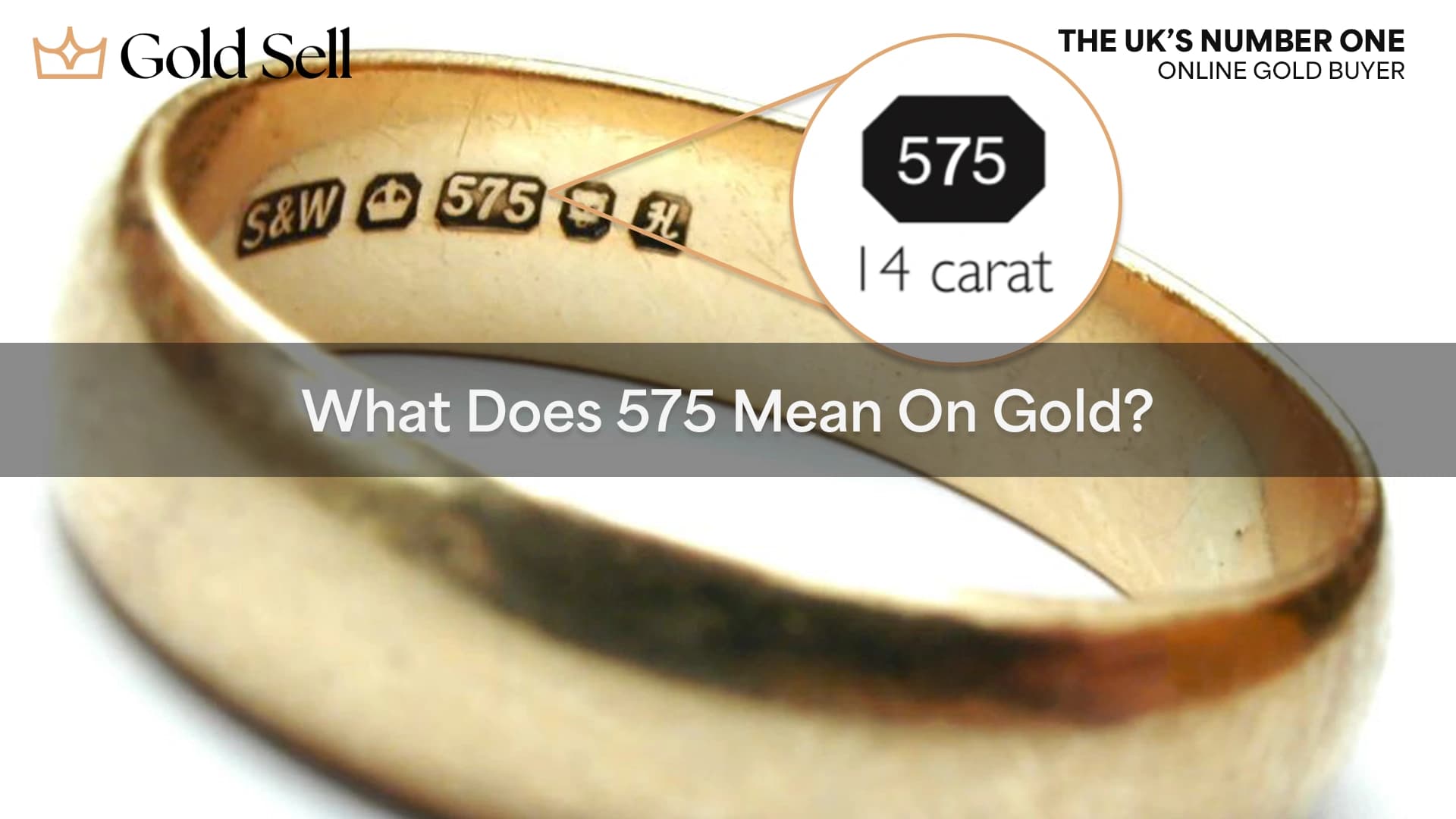
The number “575” stamped on a gold item indicates that it is 14 karat gold, meaning it is 57.5% pure gold. The remaining 42.5% is made up of other metals, such as silver, copper, or nickel, to enhance its durability and hardness. In this blog, we’ll explain 575 gold and 14k gold in plain terms, how it compares to other gold carats, and how to slow down tarnishing on 14ct gold caused by the other metals in the alloy.
Key Takeaways
- A “575” stamp on gold: indicates the metal is 57.5% pure gold (14 karat gold), with the remaining 42.5% made up of other metals for strength.
- 14k gold: (also written 14ct gold in the UK) is real gold – it’s an alloy containing about 58% gold and 42% alloy metals (like copper, silver, zinc).
- Tarnish: 14k gold can tarnish over time because the alloy metals may oxidise, but it tarnishes much more slowly than lower-carat gold. Proper care (cleaning and safe storage) keeps it shining.
- Durability: 14k gold is harder and more durable for everyday wear than higher-purity gold. It’s also more affordable than 18k gold, while still having a rich gold colour.
- Skin reactions: 14k gold can sometimes cause greenish skin marks or irritation in some people due to its copper/nickel content. Higher carats (18k, 22k) have less risk of this. 14k gold jewellery is generally fine to get wet, but avoid harsh chemicals (like chlorine) to prevent damage.
What Does 575 Mean On Gold?
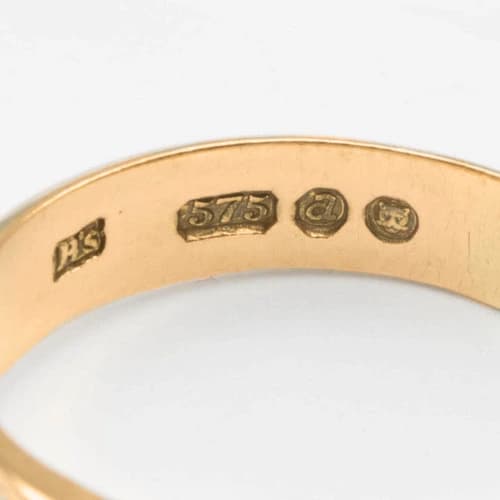
This close-up shows a clear 575 hallmark on gold, confirming the ring is made from 14ct gold – meaning it contains 57.5% pure gold and 42.5% alloy metals. UK hallmarking standards require this type of marking to verify gold purity, and it helps buyers confidently identify the value and authenticity of their jewellery. The accompanying symbols also indicate the maker, year, and assay office that tested and stamped the piece.
A “575” stamp on a gold piece means the gold is 57.5% pure, equivalent to 14 carat gold. In practical terms, 14 out of 24 parts of the metal are pure gold. The remaining 42.5% is made up of other metals – typically copper, silver, zinc, and sometimes nickel – which are mixed in to form a stronger alloy. Pure 24k gold is very soft, so these other metals give 14k (575) gold extra hardness and durability for use in jewellery.
In essence, 575 gold is real gold, just not 100% gold. A 575 or 585 hallmark on jewellery is the manufacturer’s stamp verifying the metal’s purity (57.5–58.5% gold). It assures you the item is solid 14k gold and not merely gold-plated. The exact number may vary (you might see 585 on some 14k items) but both 575 and 585 indicate 14-carat gold. The presence of a hallmark like “575” is a good sign that the piece has been tested and meets the standard for 14k gold fineness.
Composition of 575 gold: The non-gold portion (about 42%) of 14k gold is often a mix of copper, silver, and zinc (for yellow or rose gold alloys) or other white metals like nickel or palladium (for white gold). For example, 14k yellow gold might contain copper and silver for a warm yellow tone, while 14k white gold could include silver, nickel, or palladium and usually is rhodium-plated to appear bright white. These alloys don’t change the fact that it’s “real gold” – they simply modify the colour and hardness.
Want to understand how different types of gold get their unique colours and characteristics? Learn more about the alloy blends and purity levels in our guide to what yellow gold is and how it’s made, and see the process behind how white gold is made and what gives it its silvery appearance.
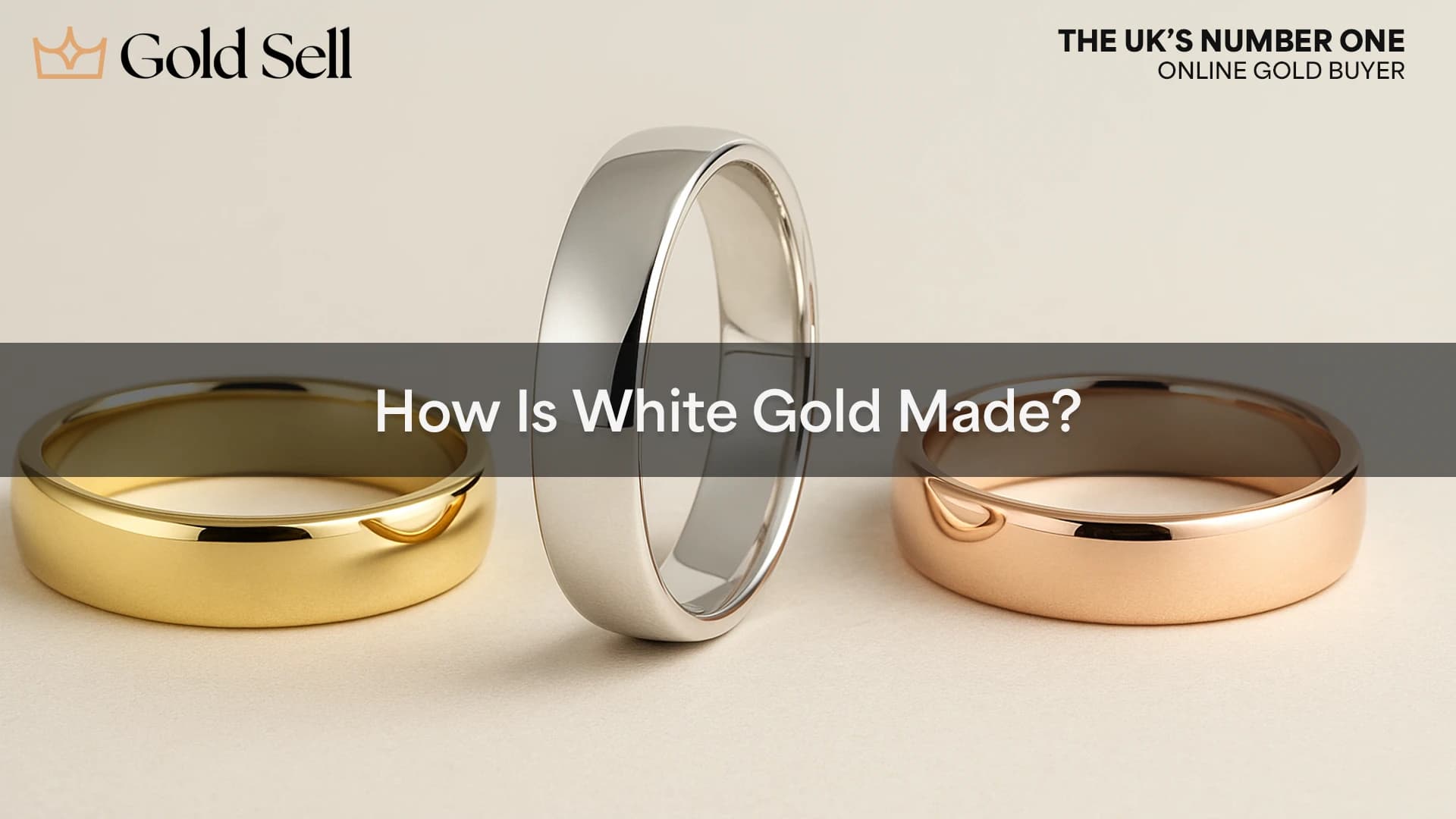
Discover how white gold is made, if white gold is ‘real’ & the key differences between white gold & yellow gold in our expert jewellery guide.
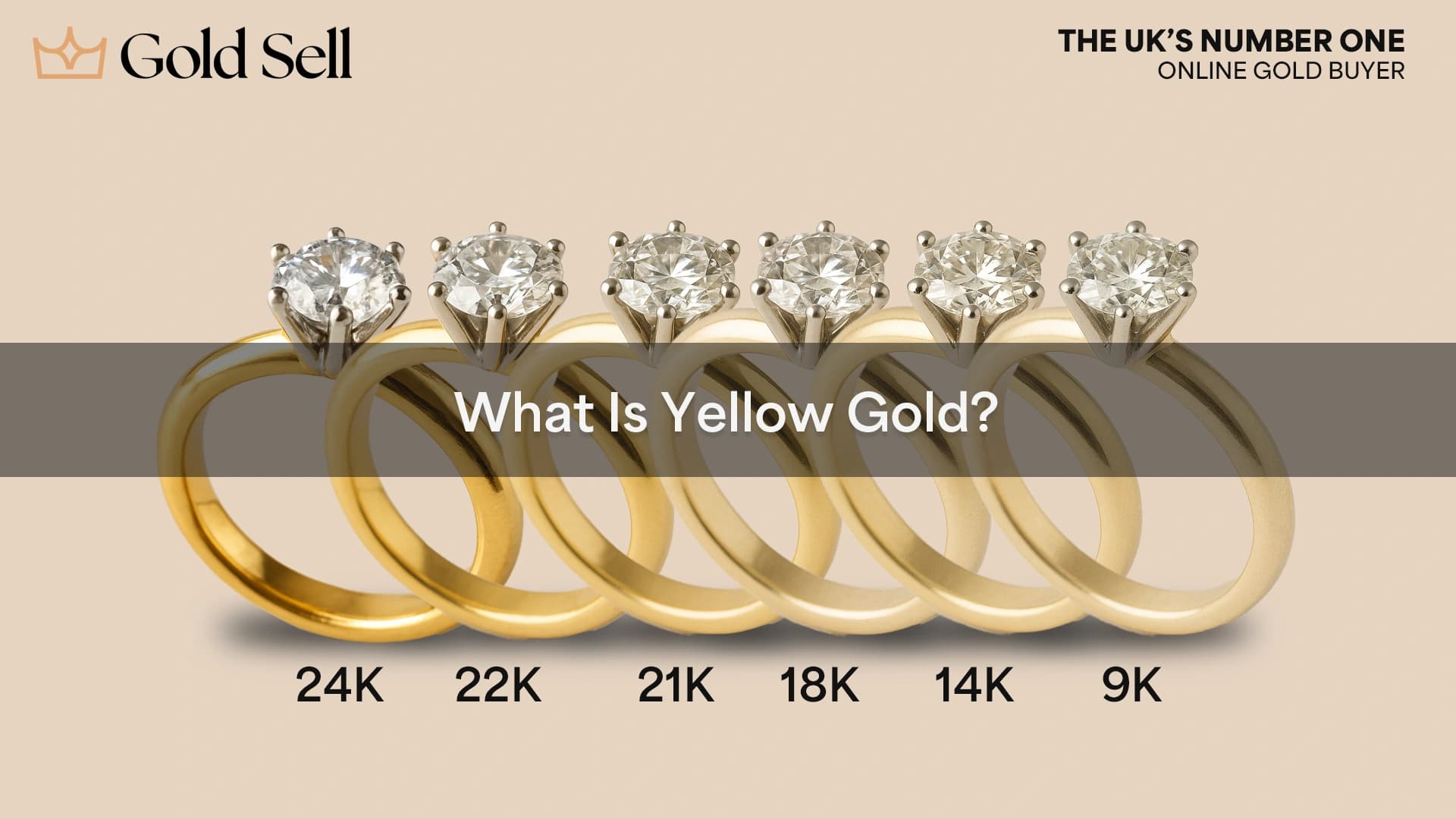
What is yellow gold? Learn if yellow gold is real, explore types of yellow gold, and see live yellow gold prices for 9k–24k gold in this expert guide.
What Does 14k Gold Mean?
14k gold means an alloy that is 14 parts gold out of 24 – which works out to about 58% pure gold content. In the UK you’ll also see this written as 14ct gold (“14 carat”), but it’s the same thing: 14k (karat) and 14ct (carat) both denote that purity level. Essentially, 14k gold is 575 gold, since a 14-karat item has roughly 57.5% gold (often rounded to 58.5% for hallmarking). The term karat (with a ‘K’) is mainly used in North America, whereas carat (with a ‘C’) is the UK spelling – both refer to the purity of gold on a 24 point scale (not to be confused with carat weight for diamonds).
To clarify, 24 carat gold is pure gold (99.9% gold). So, 14 carat gold being 14/24 means the rest of the metal (10 parts out of 24) is made up of other metals. These other metals are deliberately added to strengthen the gold and sometimes to change its colour. For example, 14k gold’s alloy might include copper for a reddish hue or silver for a paler yellow/white tone. The result is a hard-wearing gold that’s suitable for jewellery.
In summary, 14k gold = 14ct gold = 575/585 gold. If you have a piece marked “14K”, it contains just over half pure gold content. It’s a popular purity because it strikes a balance between the rich look of gold and the durability given by alloy metals. And importantly, 14k gold is legally considered real gold – in the UK, any gold 9ct or above is hallmarked and recognised as gold jewellery.
Can 14k Gold Tarnish?
Yes, 14k gold can tarnish over time, though not as quickly or severely as lower-purity metals. Pure gold (24k) itself does not tarnish or corrode; however, 14k gold is about 42% alloy metals (like copper and silver), and those metals can oxidise, causing discolouration on the surface. Tarnish on 14k gold usually appears as a slight dulling, darkening, or mild film, rather than the heavy black tarnish you see on silver. This is sometimes called a patina – for example, copper in the alloy might give a faint reddish or brownish tint as it oxidises.
Why 14k tarnishes: The primary cause is exposure to oxygen and sulphur compounds in the air, which react with alloy metals. Over many years, or in certain conditions, you might notice your 14k gold ring isn’t as bright as it once was. For instance, copper can form copper oxide (a green or dark layer) and silver can form silver oxide or sulphide (a grey/black tarnish). This process is slow in 14k gold, but it can be accelerated by factors like humidity, sweat, chlorinated water, cosmetics, or pollution. People who have acidic sweat or who expose their jewellery to household chemicals may see tarnish build up faster.
Prevention tips: The good news is tarnish on 14k gold is typically superficial and easy to clean. Here are some care tips to slow down 14k gold tarnish and keep your jewellery looking shiny:
- Regular gentle cleaning: Wipe your gold jewellery after wearing to remove sweat or chemicals. Clean it periodically with warm water and a few drops of mild dish soap, gently scrubbing with a soft toothbrush. This removes any oils or substances that might cause tarnish. Rinse and dry with a soft cloth.
- Avoid harsh chemicals: 14k gold can dull or discolour if exposed to chlorine bleach, acidic cleaners, or pool/hot tub water. Chlorine, especially, is known to react with gold alloys and can even make gold brittle over time. Remove 14k jewellery before swimming in chlorinated pools or using cleaning chemicals.
- Last on, first off: Apply perfumes, hairspray, or lotions before putting on gold jewellery, as these products can contribute to tarnish or leave residues. Put jewellery on last when getting ready, and take it off first when you get home.
- Proper storage: Store your gold pieces in a clean, dry place. It helps to keep jewellery in separate soft cloth pouches or an anti-tarnish lined box. This prevents exposure to air and humidity and also avoids scratching by other pieces.
- Polishing: If your 14k gold does get a bit dull, a quick buff with a jewellery polishing cloth (which has a gentle compound) will restore its lustre. For heavier tarnish, you can use a gold-safe cleaning solution or have a jeweller professionally clean it.
With these practices, 14k gold should rarely exhibit tarnish. Many people wear 14k rings for years without any noticeable tarnishing, just a slight mellowing of the shine which can be polished back. Remember that 14k gold tarnish is usually a surface effect – it doesn’t mean the gold is “ruined.” A proper polish will reveal the bright gold again since the underlying metal is mostly gold which doesn’t corrode. For a more in-depth, but incredibly simple overview of how to clean gold jewellery at home without causing any damage to your items, have a read of our cleaning tips.
Discover easy tips on how to clean gold jewellery at home safely using simple household products. Restore shine and keep your gold jewellery sparkling!
Will 14k Gold Turn Skin Green?
It can, in some cases, cause a green tint on the skin. This green staining is a well-known quirk of copper alloys: if your 14k gold contains a fair amount of copper (common in yellow and especially rose gold), it might react with your skin’s perspiration or acids and form green copper salts. The result can be a greenish mark on your finger or wrist where the jewellery sits.
Not everyone experiences green skin from 14k gold. Whether it happens depends on individual body chemistry, perspiration, and even the composition of the 14k alloy (alloys high in copper are the usual culprits). For example, someone with more acidic sweat or who applies lotions that interact with metal might notice a green ring under a 14k gold ring, while others wearing the same ring do not. Nickel is another alloy metal that can leave a greenish or grey mark (and can irritate skin for those allergic).
The green discolouration is harmless and temporary – it’s not a rash, just a deposit of copper compounds. You can usually wash it off. To prevent green stains, you can:
- Keep the area dry: Remove rings when washing hands, exercising, or in hot humid conditions.
- Clean your jewellery regularly: This helps remove any built-up salts or chemicals.
- Apply a clear barrier coating: Use a product like clear nail polish or jeweller’s skin guard on the inner surface of rings to seal the metal from your skin. This coating wears off over time, so reapply as needed.
- Switch to higher-purity metals: If you have persistent issues, consider 18k gold or platinum, which contain less or no copper and are less likely to cause discolouration.
In summary, 14k gold can turn your skin green if the conditions are right, but it’s not very common for most wearers. When it does happen, it’s usually with rings or tight jewellery worn continuously. It’s a cosmetic annoyance rather than any health issue, and a sign the metal’s copper content is reacting. Keeping your 14k jewellery clean and dry (and maybe taking it off at night) will usually prevent the green finger effect.
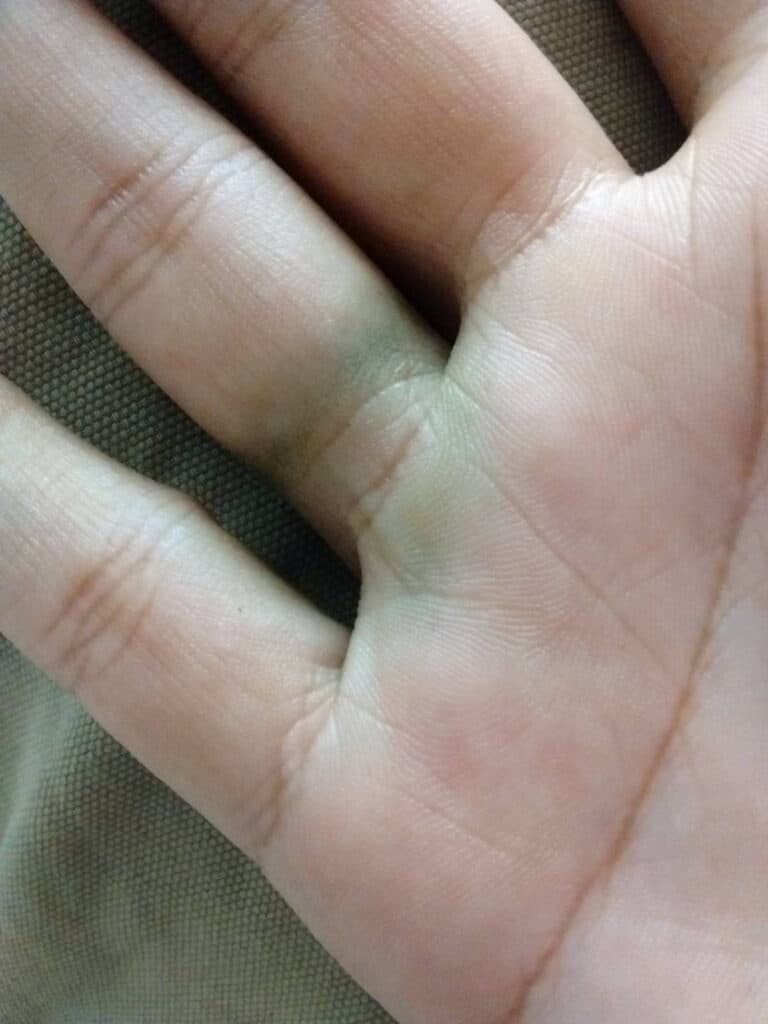
A visible green stain on the skin caused by wearing gold jewellery—typically 14ct or lower—containing metals like copper or nickel. This harmless reaction occurs when these metals oxidise due to contact with sweat, moisture, or skincare products. While it’s not a sign of fake gold, it’s more likely to happen with lower-purity alloys. Choosing higher-purity gold or using a barrier coating can help prevent these marks.
Can 14k Gold Get Wet?
Yes – you can get 14k gold wet without ruining it. Solid 14k gold is water-safe: pure gold is unaffected by water, and the alloy metals in 14k are not significantly harmed by plain water alone. So things like washing your hands while wearing a 14k ring, showering occasionally with a 14k necklace, or getting caught in the rain with your gold bracelet on will not destroy or rust the gold.
However, while water itself doesn’t damage 14k gold, prolonged or repeated exposure can still have some effects on the jewellery’s appearance. For instance:
- Residue and dullness: Soaps, shampoos, and hard water minerals can leave a film or deposits on gold jewellery, making it appear dull. Over time, this might make a 14k chain or ring look less shiny. It’s a good practice to take off gold jewellery before soaping up, or rinse it well afterward.
- Chlorine and chemicals: Be cautious of swimming pools and hot tubs – chlorinated water can slowly attack the metals in gold alloys. Repeated exposure to chlorine (even in tap water or cleaning products) can cause 14k gold alloys to tarnish faster and in some cases even weaken (chlorine can make gold jewellery brittle over a long period). It’s best to remove 14k pieces before swimming in pools or using bleach cleaners.
- Salt water: Seawater won’t corrode gold, but salt can leave a residue and speed up minor tarnish on alloy metals. Also, there’s a risk of jewellery losing its shine or even getting lost in the ocean! So it’s wise to remove valuable gold items before diving into the sea.
- Moisture under settings: If a 14k gold ring with gemstones gets wet frequently, moisture can get trapped under the stones or in crevices, which might lead to grime build-up. Ensure you dry your pieces thoroughly after they get wet.
Bottom line: It’s perfectly fine if your 14k gold jewellery gets wet from time to time. Simply dry it off afterward to maintain shine. For routine activities like hand-washing, 14k gold holds up well. Just be more careful with chemicals or long soaks. Many people wear 14k gold rings 24/7 (even in the shower) without problems – just remember that giving your gold a break from water and chemicals will help preserve its lustre longer. When in doubt, take it off before a swim or shower, and your gold will thank you by staying bright for longer.
14k Gold vs 18k Gold
14k vs 18k refers to the purity of the gold: 14k gold is ~58% gold, whereas 18k gold is 75% gold. This difference in gold content impacts several factors – purity, durability, colour, price, and how it suits sensitive skin. Here’s a quick comparison.
- Purity: 14k gold is 58.3% pure gold (usually hallmarked “585” for 585 % fineness), while 18k gold is 75% pure (hallmarked “750”). The higher gold content makes 18k more precious and slightly more yellow in tone. However, 18k’s greater purity also means it has fewer alloy metals, which can be a benefit for those with metal allergies (see skin sensitivity below).
- Colour: Because of the higher gold content, 18k gold has a richer colour. 18k yellow gold appears a deeper, more vibrant yellow-orange hue – closer to pure 24k gold – whereas 14k yellow gold is a bit paler or softer yellow. Some people prefer 14k’s slightly subtler gold tone, finding 18k’s colour more intense; it’s a matter of taste. In white gold, both 14k and 18k are typically rhodium-plated, so they look equally “white” when new. Unplated, 18k white gold might have a warmer tinge (since it has more gold), while 14k white gold may look a touch more silvery because it contains a higher percentage of white metals. For rose gold, 14k rose gold has a stronger pink hue (more copper in the mix) and 18k rose gold is a tad softer pink/peach because of the extra gold content.
- Durability: 14k gold is harder and more durable than 18k gold. The additional alloy metals in 14k make it more resistant to scratches, dents, and bending. It’s generally better for rings or bracelets that take a lot of wear (for example, a 14k gold wedding band will withstand daily knocks slightly better than an 18k band). 18k gold is softer (because gold is a soft metal), so jewellery in 18k can scratch or bend a bit more easily if mishandled. That said, 18k is still reasonably durable for most jewellery; it’s often used in high-end rings and holds up well if you’re not doing heavy manual work while wearing it. But if you need toughness (say for a ring you never take off or a bracelet you wear every day), 14k’s extra hardness is an advantage.
- Price: 18k gold is more expensive than 14k. The price difference roughly corresponds to the gold content: all else equal, 18k jewellery might cost about 20–30% more than 14k jewellery of the same design, because there’s more gold in it (and gold is the costly component). If you’re budget-conscious, 14k offers a more affordable option while still being over half gold. 14k is often chosen for good value in wedding rings, whereas 18k appeals to those who want a higher purity and don’t mind the premium. Also, when selling or scrapping gold, 18k will fetch a higher price per gram due to the higher gold percentage.
- Skin Sensitivity: If you have sensitive skin or a metal allergy (especially nickel), 18k gold is generally kinder to the skin. 18k contains less nickel and other alloy metals than 14k, reducing the chance of irritation or allergic reaction. Many people who might react to 9k or 14k gold (because of alloy metals like nickel or copper) find that 18k causes no issues. 14k gold has a higher percentage of those alloys (for example, some 14k white gold uses nickel – which can irritate – whereas 18k white gold might use palladium instead). If you know you’re allergic to nickel, you should either ensure your 14k jewellery is nickel-free or opt for 18k or platinum. That said, lots of folks wear 14k gold daily with no skin problems at all; it really depends on the specific alloy and your sensitivity. The general rule is: higher gold content = fewer base metals = lower likelihood of skin reaction.
In short, neither 14k nor 18k is “better” in absolute terms – it’s about trade-offs. 14k is more durable and affordable, with a slightly lighter colour; 18k is purer and more luxurious with a richer colour but at a higher cost and a bit less hardness. If the jewellery is for everyday wear and you want maximum durability or you’re on a budget, 14k is an excellent choice. If it’s for a special piece where deeper gold colour and purity are priorities (and you have the budget), 18k is very attractive. Both are common in fine jewellery, though in the UK 18ct is traditionally more prevalent for high-end pieces, while 14k/14ct has become popular through international brands and offers a mid-level option.
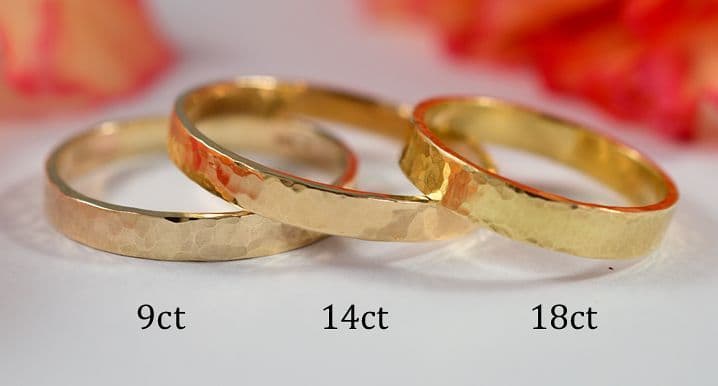
This visual comparison of 9ct vs 14ct vs 18ct gold highlights how gold colours vary by purity. The 9ct ring appears paler due to higher alloy content, while the 18ct ring has a richer, deeper yellow hue thanks to its higher gold percentage. The 14ct ring offers a balanced tone between the two.
14k Gold Price Per Gram Today
If you’re looking to sell or value your jewellery, knowing the 14k gold price per gram is essential. Based on the live gold price today, 14ct gold is currently worth £57.88 per gram. This figure reflects the market rate for gold with 57.5% purity and is updated daily.
Keep in mind that gold buyers, like GoldSell, pay a percentage of this price to account for refining, operating, storage, or handling costs—but this is the live market price for gold. Thousands across the UK trust GoldSell to offer the best price for gold among the major UK gold buyers. Request your free Gold Selling Pack today to get the highest price for your gold from us.
Live Gold Price Per Gram
Gold price last updated:
Wednesday, 21 October 2026, 13:15.
The LBMA (London Bullion Market Association) spot price changes daily.
The prices displayed are based on the global market rate for pure 24ct gold, known as the spot price. Like all gold dealers, GoldSell pays a percentage of this rate to account for assaying, refining, secure logistics, market volatility, and handling costs. We consistently offer among the highest payout rates in the UK, with the exact percentage increasing based on the weight and purity of the gold you sell.
Is 14ct Gold Real?
Yes – 14ct gold is real, genuine gold. It’s an officially recognised gold alloy containing a significant portion of pure gold. In fact, 14ct (or 14k) gold is about 57.5% gold by weight, with the remainder being other metals. The presence of those other metals doesn’t make it “fake” – it just means it’s not 24ct pure gold. All solid gold jewellery is usually some karat of gold alloy (since pure gold is too soft for most wear).
In the UK, 14ct gold is legally considered real gold (as are 9ct, 18ct, 22ct, etc.). The UK Hallmarking Act mandates that any gold item above 1 gram in weight must be hallmarked to attest its purity. So if you have a 14ct gold ring or necklace, it should have a hallmark stamp from a UK assay office. Typically, a 14ct gold item hallmarked in Britain will bear the number “585” (the millesimal fineness for 58.5% gold) rather than “14”. This stamp, often in an oval or rectangular cartouche, indicates the piece is 14-carat gold. You might also see older or international marks like “14K” or “575”, but “585” is the standard UK/EU mark for 14ct since it meets the minimum 14/24 standard.
Because 14ct gold is real, its value will track with the gold content. It has intrinsic value and can be sold or pawned based on its gold weight (approximately 58% of the current gold price per gram). It’s also important to note that 14ct gold is not the same as gold-plated or gold-filled jewellery – those have only a surface layer of gold. Fourteen-carat gold means the item is solid gold alloy through and through. If you cut it in half, it’s gold inside, not a different metal.
To be sure your 14ct gold is authentic, rely on the hallmark and purchase from reputable jewellers. Fake markings can exist, but a proper hallmark (which in the UK includes a maker’s mark and assay office mark alongside the purity) is a strong assurance. In summary, 14ct gold is authentic gold jewellery – it’s simply gold that’s been mixed with other metals for practicality. It offers a nice balance: genuine gold content with added strength. For a deeper dive into UK gold hallmarks and even foreign gold hallmarks (for those who own more unique heirloom jewellery) have a read of our blog post on how to identify gold hallmarks.
How Long Does 14k Gold Last?
Solid 14k gold can last a lifetime and beyond. One of the wonderful properties of gold is that it does not rust or deteriorate like some other metals. 14k gold jewellery, if properly cared for, can literally be worn for decades and still look beautiful – many people have 14k gold heirlooms handed down from parents or grandparents that are still in great condition. In terms of material longevity, the gold in a 14k ring or chain will not “wear out” or disintegrate over time. Gold is an inert metal; 14k’s alloy metals might tarnish a bit or wear, but the gold itself remains.
What might happen over a very long period (many years of daily wear) is minor surface wear and tear – for example, a ring might get scratched or slightly thinner at the bottom from constant rubbing. But these effects can be mitigated with maintenance. A quick polish can remove superficial scratches and restore shine, and goldsmiths can often refurbish decades-old jewellery to look almost new. As a testament to its durability: it’s common to find Victorian-era 14k gold jewellery (over 100 years old) that is still perfectly wearable today, perhaps with just a mellow patina.
Let’s distinguish between cosmetic lifespan and structural lifespan:
- Cosmetic lifespan: Without maintenance, 14k gold can get a bit dull or scratched over time. For instance, daily contact with surfaces may put fine scratches on a ring, and exposure to chemicals can slightly dull the finish. This is generally fixable – professional cleaning and polishing (which jewellers recommend maybe once a year for regularly worn pieces) will renew the shine. If it’s white gold that was rhodium-plated, the rhodium may wear off after a couple of years, revealing a faint yellowish tone – you’d just get it replated to look bright white again. So cosmetically, you might do small upkeep tasks to keep 14k gold looking its best indefinitely.
- Structural lifespan: 14k gold is strong, but any metal worn constantly can slowly abrade. A solid 14k chain or bangle can last generations with no issues. Rings, especially thinner ones, might lose a tiny bit of gold over many years of wear (for example, the prongs holding a stone might need re-tipping after 20–30 years to ensure the stone’s secure, or a thin wedding band might eventually need a bit of reinforcement). These are usually minor fixes. Importantly, the gold itself doesn’t degrade – it’s more about mechanical wear. With sensible wear and occasional fixes, a 14k gold piece can literally last hundreds of years. Museums have solid gold jewellery from ancient times that, aside from patina, has survived millennia.
With maintenance: If you clean your jewellery regularly and have a jeweller inspect it every so often (for stone settings, clasps, etc.), your 14k gold items will stay in excellent condition. Polishing will remove any tarnish or scratches that accumulate. It’s quite possible your 14k gold wedding band will look essentially as good on your 50th anniversary as it did on your wedding day, save for normal minor wear – and even that can be polished away as needed.
Without any maintenance: Even if you never polish it, 14k gold won’t corrode. It might get a bit grimy or discoloured from dirt/oils, and scratches will accumulate, but the item will still be perfectly wearable. Many people actually like the look of an old gold piece that’s developed character over time. If it truly becomes too dull, you can always decide at that point to have it cleaned up.
In summary, 14k gold jewellery is generally a lifetime investment. It’s durable enough for daily wear and can last for generations. Treat it well and it can be an heirloom. Even if worn daily with little care, it will “last” in the sense that it won’t break apart – it will just show some wear which can usually be restored. This longevity is one reason gold jewellery (even at 14k) retains value; you’re buying something that won’t spoil or need frequent replacing. So, a 14k gold chain or ring can truly be a forever piece in your collection, maintaining its beauty for dozens of years.
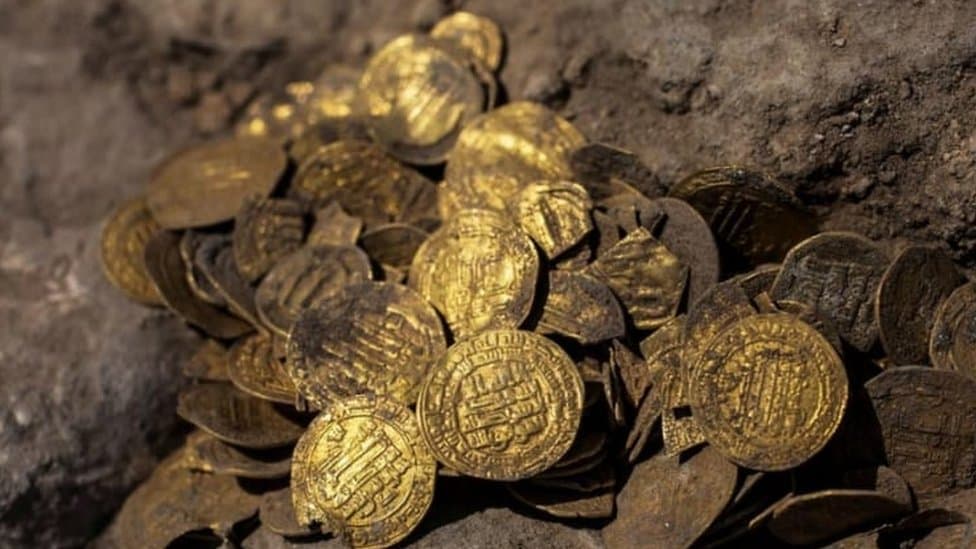
These 1,000-year-old gold coins, recently unearthed in an Israeli cave, are a powerful example of gold’s enduring nature. Despite centuries underground, many of the coins remain remarkably shiny with only minor dulling—proving that gold doesn’t corrode or decay like other metals. It’s this resistance to time and the elements that makes gold such a lasting store of value, especially in purer forms.
Frequently Asked Questions
What does 575 mean on gold?
The number 575 stamped on gold means the item is made of 57.5% pure gold, which is equivalent to 14ct gold. The remaining 42.5% is composed of alloy metals like copper or silver, added for strength and durability. This hallmark is commonly found on jewellery to confirm its gold content. A 575 stamp assures buyers it’s solid gold—not plated—and is recognised as genuine gold under UK hallmarking standards.
Will 14k gold tarnish?
Yes, 14k gold can tarnish over time because it contains 42.5% alloy metals like copper and silver, which may oxidise when exposed to air, moisture, or chemicals. While pure gold doesn’t tarnish, these alloy metals can dull the surface. Regular cleaning and careful storage can prevent tarnish, keeping your jewellery looking bright. Tarnish is typically only surface-level and can be easily removed with a soft cloth or gold-specific cleaning solution.
What is the 14k gold price per gram today?
As of 21 Oct 2026, the live 14k gold price per gram is £57.88, based on live gold price today. This reflects the current value of 14carat gold, which is 57.5% pure.
Can 14k gold tarnish?
Yes, 14k gold can tarnish because it’s not 100% pure gold. The 42.5% alloy portion—typically copper, silver, or nickel—can react with oxygen or chemicals, causing discolouration over time. Tarnish appears as a dull or slightly darkened film but doesn’t affect the gold itself. Regular polishing and avoiding chlorine or harsh cleaners can keep 14k jewellery looking pristine. It’s more tarnish-resistant than lower carats like 9ct, making it a great everyday choice.
Is 14ct gold real?
Yes, 14ct gold is real gold. It’s a legally recognised precious metal in the UK, containing 57.5% pure gold alloyed with other metals for strength and durability. A 14ct item will typically carry a hallmark such as “575” or “585” to verify its gold content. As long as it’s hallmarked, 14ct gold is genuine and valued accordingly. It’s a popular balance between gold purity, durability, and affordability—perfect for everyday wear.
Are 14k gold earrings real?
Yes, 14k gold earrings are real if they are marked as solid 14k, 14ct, 575, or 585. This indicates they are made of gold alloy containing 57.5% pure gold. Beware of earrings labelled as “gold plated” or “gold filled,” which are not solid gold. Solid 14k earrings are ideal for durability and are often hypoallergenic, although sensitivity can occur depending on the alloy metals used (e.g., nickel in white gold).
Is 14ct gold better than 9ct?
Yes, 14ct gold is generally considered better than 9ct in terms of purity, colour, and tarnish resistance. 14ct gold contains 57.5% pure gold versus 37.5% in 9ct, giving it a richer gold colour and higher intrinsic value. It also tarnishes less because of its higher gold content. While 9ct gold is harder and more affordable, 14ct offers a stronger blend of durability and luxury, making it more suitable for higher-end or long-term jewellery.
Can I wear 14k gold in the shower?
Yes, you can wear 14k gold in the shower occasionally, as water alone won’t damage it. However, repeated exposure to soaps, shampoos, and hot water may dull its shine or cause surface build-up. Chlorine in tap water or swimming pools can slowly weaken gold alloys. For best results, it’s recommended to remove 14k jewellery before showering regularly to preserve its finish and reduce long-term tarnish or residue.
Can 14k gold get wet?
Yes, 14k gold can get wet without immediate harm. It won’t rust or degrade from water alone, and occasional exposure is fine. However, prolonged or frequent wetness—especially from chlorinated pools or salty water—can speed up tarnishing due to reactions with the alloy metals. Always dry your jewellery thoroughly and avoid chemical-laden environments to keep 14k gold looking its best. Proper care ensures long-lasting shine and structure, even with occasional water contact.
What does 14k gold filled mean?
14k gold filled means a thick layer of 14k gold is mechanically bonded to a base metal core, usually brass. It must legally contain at least 5% real gold by total weight. Unlike gold plating, this layer is durable and won’t flake off easily. Gold-filled jewellery offers a more affordable alternative to solid gold with a longer lifespan, making it ideal for everyday wear while maintaining the look and feel of real 14k gold.
What does 14k gold plated mean?
14k gold plated means a thin layer of 14k gold has been electroplated onto a base metal such as brass or stainless steel. The gold content is minimal—often less than 0.05%—and can wear off within months to a few years depending on wear. It’s a budget-friendly option for fashion jewellery but doesn’t have the intrinsic value, durability, or resale worth of solid or gold-filled pieces.
How long does 14k gold plated last?
14k gold plated jewellery typically lasts from a few months up to 2 years, depending on how often it’s worn and how well it’s cared for. The thin gold layer can rub off with exposure to sweat, water, friction, or chemicals. To extend its life, avoid contact with perfumes, soaps, or abrasives, and store it carefully when not in use. Once the plating wears off, the base metal underneath may become visible.
How long does 14k gold last?
Solid 14k gold can last a lifetime or longer with proper care. Gold is a noble metal and won’t rust, while the alloyed metals give 14k strength for everyday wear. It may show scratches or dullness over time, but professional cleaning and polishing can restore its look. Antique 14k gold jewellery often remains in great condition after decades. With regular maintenance, 14k gold pieces can be passed down for generations.
How is 14k gold made?
14k gold is made by alloying 24k pure gold with other metals like copper, silver, zinc, or nickel to reduce purity to 58.3% (14 parts gold out of 24). This process increases the hardness and durability of the metal, making it suitable for rings, chains, and other jewellery. Different alloy combinations produce yellow, rose, or white gold. The resulting blend is then cast or shaped into finished pieces and stamped with a hallmark like “575” or “585.”
Will 14k gold turn skin green?
14k gold can turn skin green in rare cases, usually due to the copper or nickel in the alloy reacting with sweat or lotions. This reaction forms copper salts which leave harmless green stains, especially under rings or in humid conditions. It’s more likely if your skin is acidic or the jewellery is worn tightly. Using a protective coating on the inner band or choosing higher-purity gold like 18ct may help reduce green marks.
14k gold is what percentage gold?
14k gold is 58.3% pure gold, with the remaining 41.7% made up of alloy metals like copper, silver, or zinc. In hallmark terms, it may be stamped as “575” (57.5%) or “585” (58.5%) depending on exact composition and regional standards. The gold percentage gives 14k a good balance of purity, strength, and affordability—making it a popular choice for everyday jewellery that still holds solid intrinsic value.
Interested in selling gold with the UK’s highest paying gold buyer? Visit our Sell Gold page to get a competitive valuation – we provide fully insured postage and fast payment.
For more insights and the latest gold price today, keep an eye on our live charts and blog updates.